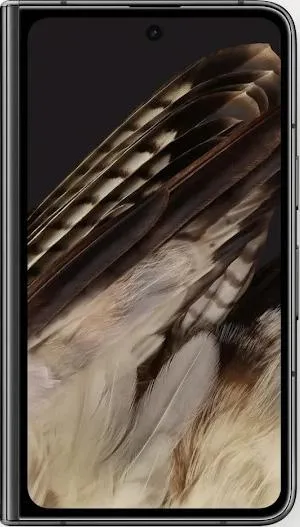
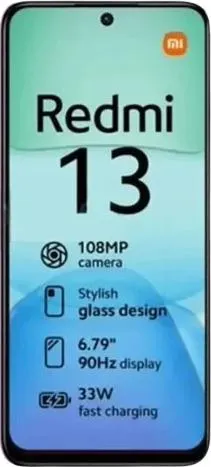
1. Specifications Comparison
| Feature | Google Pixel Fold | Xiaomi Redmi 13 | Practical Impact |
|---|---|---|---|
| Design | |||
| Dimensions (mm) | 139.7 x 158.7 x 5.8 (folded) | 168.6 x 76.3 x 8.3 | Pixel Fold significantly more compact when folded, but wider unfolded. Redmi 13 is a traditional slab phone. |
| Weight (g) | 283 | 205 | Pixel Fold noticeably heavier due to folding mechanism and larger battery. |
| Foldable | Yes | No | Pixel Fold offers tablet-like experience and greater multitasking potential. Redmi 13 offers a standard smartphone experience. |
| Display | |||
| Display Type | Foldable OLED, 120Hz | IPS LCD, 90Hz | Pixel Fold delivers superior contrast, deeper blacks, and smoother animations. Redmi 13's IPS LCD is less vibrant and has a lower refresh rate. |
| Display Size (inches) | 7.6 (unfolded), 5.8 (cover) | 6.79 | Pixel Fold offers larger screen real estate when unfolded, beneficial for productivity and media consumption. Redmi 13 has a large display for a standard phone. |
| Resolution (pixels) | 2208 x 1840 (unfolded), 2092 x 1080 (cover) | 2460 x 1080 | Both offer sharp displays, but Pixel Fold's unfolded screen provides more detail due to higher resolution. |
| Peak Brightness (nits) | 1450 | 550 | Pixel Fold significantly brighter, ensuring better visibility outdoors and in bright conditions. Redmi 13's display may be harder to see in sunlight. |
| Performance | |||
| Chipset | Google Tensor G2 (5nm) | Mediatek Helio G91 Ultra (12nm) | Tensor G2 offers significantly better performance and AI capabilities, resulting in smoother multitasking, faster app loading, and enhanced AI features. |
| CPU | Octa-core (2x2.85 GHz Cortex-X1 & 2x2.35 GHz Cortex-A78 & 4x1.80 GHz Cortex-A55) | Octa-core (2x2.0 GHz Cortex-A75 & 6x1.8 GHz Cortex-A55) | Pixel Fold's CPU provides significantly superior processing power, resulting in faster and smoother overall performance. |
| RAM (GB) | 12 | 8 | Pixel Fold allows for more apps to run in the background without performance degradation. |
| Camera | |||
| Main Camera (MP) | 48 | 108 | Redmi 13 boasts higher megapixel count, but image quality depends on sensor size, processing, and other factors not fully detailed here. Pixel's computational photography prowess often outperforms higher megapixel counts. |
| Video Capabilities | Up to 4K@60fps with HDR | 1080p@30fps | Pixel Fold offers significantly better video recording capabilities with higher resolution and frame rates, as well as HDR support. |
| Battery | |||
| Capacity (mAh) | 4821 | 5030 | Redmi 13 has slightly larger battery capacity. However, real-world battery life depends on factors like display type, processor efficiency, and software optimization. |
2. Key Differences Analysis
Google Pixel Fold Advantages:
- Superior Performance: Tensor G2 chip provides a noticeable performance advantage for demanding tasks and multitasking.
- High-Quality Display: Foldable OLED offers vibrant colors, deep blacks, and a smoother 120Hz refresh rate.
- Versatile Form Factor: Folding design allows for both phone and tablet functionality.
- Advanced Camera Features: While megapixel count is lower, Google's computational photography generally results in excellent image quality.
Xiaomi Redmi 13 Advantages:
- Lower Price: Significantly more affordable.
- Slightly Larger Battery: Potentially longer battery life, though real-world usage will vary.
- Lighter Weight: More comfortable for extended use in one hand.
3. User Profiles & Recommendations
Google Pixel Fold: Ideal for users who value performance, a premium display, and the flexibility of a foldable device. Use cases include multitasking, media consumption, content creation, and on-the-go productivity.
Xiaomi Redmi 13: Suitable for budget-conscious users who prioritize affordability and basic smartphone functionality. Use cases include everyday communication, social media browsing, light gaming, and content consumption.
4. Decision Framework
Key Questions for Buyers:
- Budget: Is a premium price justifiable for the foldable form factor and superior performance of the Pixel Fold?
- Usage: Do you need the multitasking capabilities and larger screen of a foldable device, or is a traditional smartphone sufficient?
- Performance Expectations: Do you require top-tier performance for demanding tasks or gaming, or are basic performance needs sufficient?
Scenario-Based Recommendations:
- Power User: The Pixel Fold is a better choice for demanding users who need a powerful device for multitasking and productivity.
- Budget-Conscious User: The Redmi 13 offers excellent value for its price, making it a good option for users with basic needs.
- Media Enthusiast: The Pixel Fold's larger, high-quality display is ideal for media consumption.
My Choice: Google Pixel Fold
While significantly more expensive, the Google Pixel Fold is the superior device overall. The foldable form factor provides unparalleled versatility, allowing for both a pocketable phone and a tablet-like experience. The Tensor G2 chip, combined with 12GB of RAM, ensures smooth performance even with demanding tasks. The superior display quality also significantly enhances the user experience. While the Redmi 13 offers excellent value for its price, the Pixel Fold's unique capabilities and premium features justify the higher cost for my needs. I prioritize performance, a great display, and the innovative foldable design, making the Pixel Fold the clear winner for me.
