1. Specifications Comparison
| Feature | Google Pixel Fold | Xiaomi Redmi 12 5G | Practical Impact |
|---|---|---|---|
| Design | |||
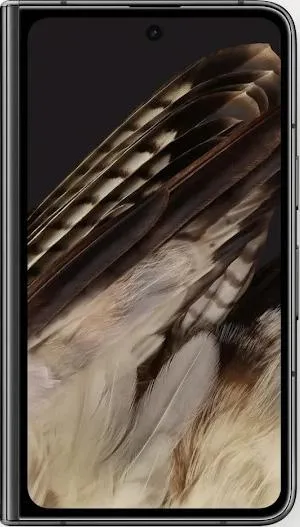
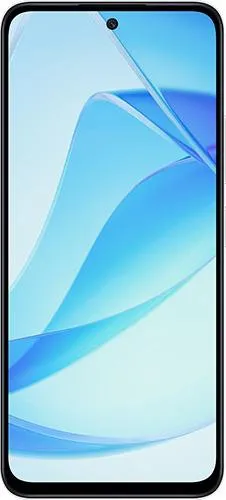
| Form Factor | Foldable | Standard | Pixel Fold offers greater portability when folded and a larger screen when unfolded. Redmi 12 5G is a traditional slab phone. |
| Dimensions (mm) | 139.7 x 158.7 x 5.8 (folded) | 168.6 x 76.3 x 8.2 | Pixel Fold is significantly wider when unfolded but thinner and potentially more pocketable when folded. Redmi 12 5G is larger overall. |
| Weight (g) | 283 | 199 | Pixel Fold is noticeably heavier, impacting one-handed use. |
| Display | |||
| Display Type | Foldable OLED | IPS LCD | Pixel Fold's OLED offers superior contrast, deeper blacks, and potentially better power efficiency. Redmi 12 5G's IPS LCD is generally less vibrant. |
| Display Size (inches) | 7.6 (unfolded), 5.8 (folded) | 6.79 | Pixel Fold provides a significantly larger screen real estate when unfolded for multitasking and media consumption. |
| Refresh Rate (Hz) | 120 | 90 | Pixel Fold offers smoother scrolling and animations. |
| Resolution | 1840 x 2208 (unfolded), 1080 x 2092 (folded) | 1080 x 2460 | Both offer sharp displays, but Pixel Fold's unfolded screen provides higher pixel density for crisper details. |
| Performance | |||
| Chipset | Google Tensor G2 (5 nm) | Qualcomm Snapdragon 4 Gen 2 (4 nm) | Tensor G2 is a flagship-level chip offering significantly better performance in demanding tasks and AI processing compared to the budget-oriented Snapdragon 4 Gen 2. |
| CPU | Octa-core (2x2.85 GHz Cortex-X1 & 2x2.35 GHz Cortex-A78 & 4x1.80 GHz Cortex-A55) | Octa-core (2x2.2 GHz Cortex-A78 & 6x1.95 GHz Cortex-A55) | Pixel Fold's CPU offers higher clock speeds and a more powerful core configuration, resulting in faster and smoother performance. |
| GPU | Mali-G710 MP7 | Adreno 613 | Pixel Fold's GPU provides significantly better graphics performance for gaming and demanding applications. |
| RAM (GB) | 12 | 4/6/8 (Variant dependent) | Pixel Fold offers more RAM, enabling better multitasking and smoother performance with multiple apps. |
| Camera | |||
| Rear Camera | 48MP Main, 10.8MP Wide, 10.8MP Telephoto | 50MP Main, 2MP Depth | Pixel Fold boasts a more versatile camera system with a telephoto lens for optical zoom. Image quality comparisons require real-world testing, but Pixel's computational photography generally excels. Redmi's 2MP depth sensor is of limited practical use. |
| DxOMark Score | 133 | 63 | Pixel Fold is expected to offer significantly superior image and video quality based on DxOMark scores. |
| Battery | |||
| Capacity (mAh) | 4821 | 5000 | Redmi 12 5G has a slightly larger battery capacity. However, real-world battery life depends on various factors including display type, processor efficiency, and software optimization. |
2. Key Differences Analysis
Google Pixel Fold Advantages:
- Superior Performance: The Tensor G2 chip offers flagship-level performance for demanding tasks, gaming, and AI processing.
- Foldable Form Factor: Offers versatility with a large inner display for multitasking and a smaller outer display for quick interactions.
- High-Quality Display: The OLED display provides vibrant colors, deep blacks, and a smooth 120Hz refresh rate.
- Versatile Camera System: Offers multiple lenses including a telephoto lens for optical zoom and leverages Google's advanced computational photography.
Xiaomi Redmi 12 5G Advantages:
- Lower Price: Significantly more affordable than the Pixel Fold.
- Larger Battery Capacity: Potentially longer battery life, though real-world usage will vary.
- Lighter Weight: More comfortable for extended one-handed use.
3. User Profiles & Recommendations
Google Pixel Fold: Ideal for users who prioritize performance, a large and high-quality display for multitasking and media consumption, a versatile camera system, and are willing to pay a premium for the foldable form factor. Use cases: Content creation, mobile gaming, productivity on the go.
Xiaomi Redmi 12 5G: Ideal for budget-conscious users who prioritize basic smartphone functionality, long battery life, and a large screen for media consumption. Use cases: Casual browsing, social media, communication.
4. Decision Framework
Key Questions for Buyers:
- Budget: Are you willing to pay a premium for a foldable phone with flagship features?
- Performance Needs: Do you require top-tier performance for demanding tasks or gaming?
- Form Factor Preference: Do you value the versatility of a foldable phone or prefer a traditional slab design?
Scenario-Based Recommendations:
- Limited Budget, Basic Needs: Redmi 12 5G
- Power User, Multitasker: Pixel Fold
- Enthusiast Seeking Latest Technology: Pixel Fold
My Choice: Google Pixel Fold
While the Redmi 12 5G offers excellent value for its price, the Pixel Fold's superior performance, versatile foldable design, stunning display, and advanced camera system make it the clear winner for me. I prioritize a smooth and powerful user experience, and the Pixel Fold delivers in spades. The ability to switch between a pocketable device and a tablet-sized screen for productivity and entertainment is a compelling feature. I am willing to pay the premium for the significant jump in quality and innovation. While the weight is a concern, the benefits outweigh this drawback for my personal use case.
