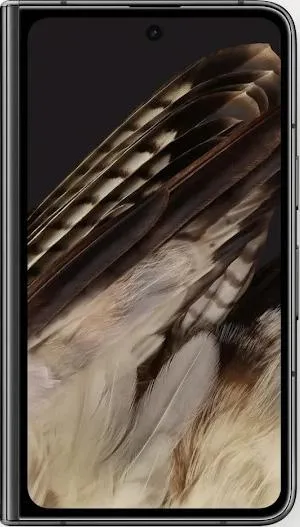
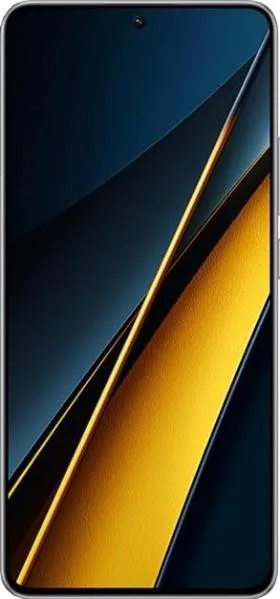
1. Specifications Comparison
| Feature | Google Pixel Fold | Xiaomi Poco X6 Pro | Practical Impact |
|---|---|---|---|
| Design | |||
| Dimensions (mm) | 139.7 x 158.7 x 5.8 (folded) | 160.5 x 74.3 x 8.3 | Pixel Fold significantly smaller when folded, but wider unfolded. Poco X6 Pro is a more traditional slab design. Fold offers portability, Poco X6 Pro offers one-handed usability. |
| Weight (g) | 283 | 186 | Pixel Fold noticeably heavier due to folding mechanism. Poco X6 Pro easier to carry and hold for extended periods. |
| Foldable | Yes | No | Pixel Fold offers larger screen real estate in a pocketable device, Poco X6 Pro offers a more familiar smartphone experience. |
| Display | |||
| Display Type | Foldable OLED | AMOLED | Pixel Fold's folding screen allows for tablet-like multitasking and media consumption. Poco X6 Pro offers a bright, vibrant display in a standard form factor. |
| Display Size (inches) | 7.6 (unfolded), 5.8 (cover) | 6.67 | Pixel Fold provides a larger main display for productivity and immersion. Poco X6 Pro's display is ample for everyday use. |
| Resolution (px) | 2208 x 1840 (unfolded), 2092 x 1080 (cover) | 2712 x 1220 | Both offer sharp displays, but Pixel Fold's unfolded screen provides higher pixel density for crisper visuals. |
| Refresh Rate (Hz) | 120 | 120 | Both offer smooth scrolling and animations. |
| Peak Brightness (nits) | 1450 | 1800 | Poco X6 Pro's higher peak brightness offers better visibility in direct sunlight. |
| Performance | |||
| Chipset | Google Tensor G2 (5 nm) | Mediatek Dimensity 8300 Ultra (4 nm) | Dimensity 8300 Ultra generally benchmarks higher in raw performance. Tensor G2 is optimized for AI and machine learning tasks. Real-world performance differences may vary depending on usage. |
| CPU | Octa-core (2x2.85 GHz Cortex-X1 & 2x2.35 GHz Cortex-A78 & 4x1.80 GHz Cortex-A55) | Octa-core (1x3.35 GHz Cortex-A715 & 3x3.20 GHz Cortex-A715 & 4x2.20 GHz Cortex-A510) | Both offer powerful CPUs, but architectural differences make direct comparison difficult without benchmarks. |
| GPU | Mali-G710 MP7 | Mali G615-MC6 | Mali-G710 generally offers better graphical performance. This translates to smoother gaming and faster rendering. |
| RAM (GB) | 12 | 8/12 | Pixel Fold offers more RAM in the specified configuration, enabling better multitasking and app switching. |
| Camera | |||
| Main Camera (MP) | 48 | 64 | Poco X6 Pro boasts higher resolution, but image quality depends on sensor size, processing, and other factors. Pixel's computational photography prowess should not be discounted. |
| DxOMark Score | 133 | Not Available | Pixel Fold has a higher DxOMark score, indicating superior overall camera performance in tested scenarios. Lack of Poco X6 Pro score prevents direct comparison. |
| Battery | |||
| Capacity (mAh) | 4821 | 5000 | Poco X6 Pro has a slightly larger battery capacity, potentially offering longer battery life. Foldable displays often consume more power. |
2. Key Differences Analysis
Pixel Fold Advantages:
- Foldable Design: Offers a unique form factor with a larger inner display for enhanced productivity and media consumption.
- Superior Camera System (Based on DxOMark): Likely to produce higher quality photos and videos overall.
- More RAM: Better multitasking and smoother performance with demanding applications.
Poco X6 Pro Advantages:
- Lighter and More Pocketable (in traditional sense): Easier to carry and use one-handed.
- Higher Peak Brightness: Better outdoor visibility.
- Potentially Longer Battery Life: Larger battery capacity suggests longer usage time, though real-world performance can vary.
- Lower Price: Significantly more affordable than the Pixel Fold.
3. User Profiles & Recommendations
Pixel Fold: Ideal for users who prioritize a large screen for multitasking, media consumption, and content creation on the go and are willing to pay a premium for the foldable form factor.
Poco X6 Pro: Suitable for users seeking a powerful, affordable smartphone with a bright display and long battery life. Good for everyday tasks, gaming, and media consumption without the added cost and complexity of a foldable device.
4. Decision Framework
Key Questions for Buyers:
- Form Factor Preference: Do you value the flexibility and larger screen of a foldable phone, or prefer a traditional slab design?
- Budget: The Pixel Fold is significantly more expensive. Is the premium for the foldable screen worth it for your needs?
- Camera Importance: Is camera quality a top priority? Pixel Fold's proven performance might outweigh the Poco X6 Pro's higher megapixel count.
My Choice: Xiaomi Poco X6 Pro
While the Pixel Fold's innovative design and camera are tempting, the Poco X6 Pro offers incredible value for its price. As a smartphone analyst focused on practical usage, the significantly lower cost, lighter weight, and simpler form factor outweigh the benefits of a foldable screen for my personal needs. I prioritize one-handed usability, battery life, and overall performance, areas where the Poco X6 Pro excels. The lack of a concrete DxOMark score for the Poco X6 Pro does give me pause, but the overall package at its price point makes it the more compelling choice for me. If budget were no object, the Pixel Fold would be a strong contender.
