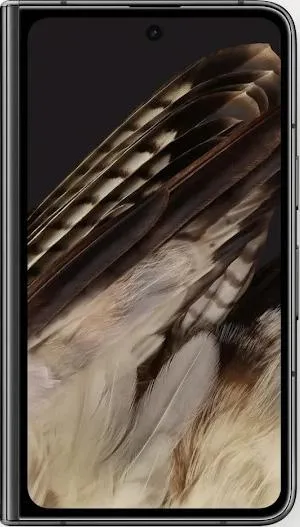
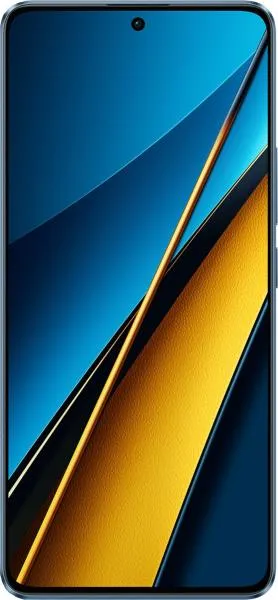
1. Specifications Comparison
| Feature | Google Pixel Fold | Xiaomi Poco X6 | Practical Impact |
|---|---|---|---|
| Design | |||
| Form Factor | Foldable | Slab | Pixel Fold offers greater versatility with its foldable screen, transforming from phone to tablet. Poco X6 is a traditional smartphone. |
| Dimensions (mm) | 139.7 x 158.7 x 5.8 (folded) | 161.2 x 74.3 x 8 | Pixel Fold is significantly wider unfolded but thinner when folded. Poco X6 is taller and thicker overall. Impacts pocketability and one-handed use. |
| Weight (g) | 283 | 181 | Pixel Fold is noticeably heavier, potentially tiring for extended use. Poco X6 is lighter and easier to handle. |
| Display | |||
| Display Size (inches) | 7.6 (unfolded), 5.8 (cover) | 6.67 | Pixel Fold's larger unfolded display provides a tablet-like experience for media consumption and multitasking. Poco X6 offers a large display for a traditional phone. |
| Resolution (px) | 1840 x 2208 (unfolded), 1080 x 2092 (cover) | 1220 x 2712 | Both offer sharp displays, but Pixel Fold's unfolded screen provides more overall pixel real estate. |
| Refresh Rate (Hz) | 120 | 120 | Both offer smooth scrolling and animations thanks to the 120Hz refresh rate. |
| Display Type | Foldable OLED | AMOLED | Pixel Fold utilizes a cutting-edge foldable OLED, while Poco X6 employs a standard AMOLED. Durability and crease visibility are key differentiators in the foldable technology. |
| Peak Brightness (nits) | 1450 | 1800 | Poco X6 boasts higher peak brightness, improving outdoor visibility. |
| Performance | |||
| Chipset | Google Tensor G2 (5 nm) | Qualcomm Snapdragon 7s Gen 2 (4 nm) | Tensor G2 is optimized for AI and machine learning tasks, while Snapdragon 7s Gen 2 focuses on balanced performance and efficiency. Real-world performance differences might be subtle for average users. |
| CPU | Octa-core (2x2.85 GHz Cortex-X1 & 2x2.35 GHz Cortex-A78 & 4x1.80 GHz Cortex-A55) | Octa-core (4x2.40 GHz Cortex-A78 & 4x1.95 GHz Cortex-A55) | Tensor G2's higher clocked prime cores could offer a slight edge in demanding tasks. However, Snapdragon 7s Gen 2's architecture might be more efficient. |
| GPU | Mali-G710 MP7 | Adreno 710 | Both GPUs are capable for gaming and graphics-intensive tasks, but specific benchmarks would be needed for detailed comparison. |
| RAM (GB) | 12 | 12 | Both phones offer ample RAM for smooth multitasking. |
| Camera | |||
| Main Camera (MP) | 48 | 64 | Poco X6 boasts a higher resolution main sensor. However, megapixel count isn't the sole determinant of image quality. Pixel's computational photography prowess should be considered. |
| Camera Features | 5x Optical Zoom, Ultrawide, Telephoto | Ultrawide, Macro | Pixel Fold offers a more versatile camera system with optical zoom capabilities. Poco X6 lacks telephoto but includes a dedicated macro lens. |
| DxOMark Score | 133 | Not Available | Pixel Fold's high DxOMark score indicates excellent overall camera performance. Lack of data for Poco X6 prevents direct comparison. |
| Battery | |||
| Battery Capacity (mAh) | 4821 | 5100 | Poco X6 has a slightly larger battery capacity, potentially offering longer battery life. However, real-world usage varies greatly depending on usage patterns and software optimization. |
2. Key Differences Analysis
Google Pixel Fold Advantages:
- Foldable Form Factor: Offers unmatched versatility, transforming from a phone to a mini-tablet.
- Superior Camera System: Based on DxOMark and specifications, Pixel Fold likely delivers a better overall photography experience.
- Software Optimization: Pixel phones typically receive timely updates and benefit from Google's AI-powered features.
Xiaomi Poco X6 Advantages:
- Lighter and More Affordable: Significantly lighter and potentially more budget-friendly than the Pixel Fold.
- Larger Battery: Offers a higher battery capacity, potentially leading to longer usage time.
- Brighter Display: Higher peak brightness enhances outdoor visibility.
3. User Profiles & Recommendations
Google Pixel Fold: Ideal for users who value versatility, prioritize a large screen for productivity and media consumption, and demand a top-tier camera. Suitable for power users, content creators, and those who want the latest technology.
Xiaomi Poco X6: Suitable for users seeking a large, bright display in a traditional smartphone form factor. A good option for budget-conscious buyers who prioritize battery life and smooth performance without needing the foldable functionality.
4. Decision Framework
Key Questions for Buyers:
- Form Factor Preference: Do you need the versatility of a foldable device, or are you comfortable with a traditional smartphone?
- Budget: The Pixel Fold commands a premium price. Is the foldable functionality worth the extra cost?
- Camera Importance: How crucial is camera quality to you?
Scenario-Based Recommendations:
- Frequent Traveler: Pixel Fold's compact folded size and large unfolded screen are ideal for travel.
- Budget-Conscious Gamer: Poco X6's large display and capable hardware provide a good gaming experience at a lower price.
- Photography Enthusiast: Pixel Fold's superior camera system is a compelling choice.
My Choice: Google Pixel Fold
While the Poco X6 offers excellent value, I would choose the Google Pixel Fold. The foldable form factor is a game-changer for productivity and media consumption. The ability to switch between a phone and a mini-tablet is incredibly appealing. Although it comes at a premium price and increased weight, the versatility and superior camera system outweigh those drawbacks for me. The Pixel's software experience and timely updates are also a significant factor in my decision. I prioritize having the latest innovations and a device that can adapt to evolving needs. While the Poco X6 is a strong contender in the traditional smartphone space, the Pixel Fold's unique capabilities make it the more compelling device overall.
