1. Specifications Comparison
| Feature | Google Pixel Fold | Xiaomi Poco F6 | Practical Impact |
|---|---|---|---|
| Design | |||
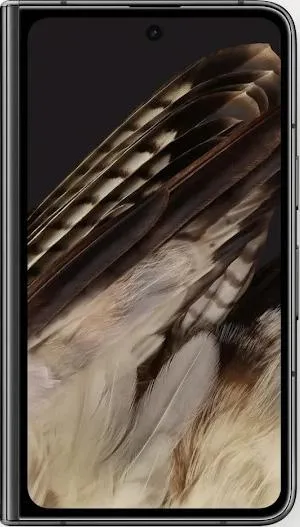
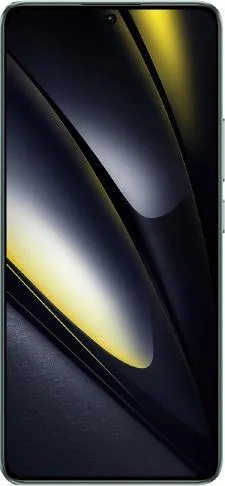
| Dimensions (mm) | 139.7 x 158.7 x 5.8 (folded) | 160.5 x 74.5 x 8 | Pixel Fold significantly smaller when folded, but wider unfolded; Poco F6 thinner overall. Impacts pocketability and one-handed usability. |
| Weight (g) | 283 | 179 | Pixel Fold noticeably heavier. Can cause fatigue during extended use. |
| Foldable | Yes | No | Pixel Fold offers larger screen real estate in a smaller form factor, but with added complexity and potential durability concerns. |
| Display | |||
| Display Type | Foldable OLED | AMOLED | Pixel Fold's folding screen allows for tablet-like multitasking and content consumption; Poco F6 offers a traditional, potentially more durable screen. |
| Display Size (inches) | 7.6 (unfolded), 5.8 (cover) | 6.67 | Pixel Fold provides a much larger main display for productivity and media; Poco F6 has a larger cover display for quick interactions. |
| Resolution (px) | 1840 x 2208 (unfolded), 1080 x 2092 (cover) | 1220 x 2712 | Both offer sharp displays; Pixel Fold's unfolded screen provides more overall pixels for detailed content. |
| Refresh Rate (Hz) | 120 | 120 | Both offer smooth scrolling and animations. |
| Peak Brightness (nits) | 1450 | 2400 | Poco F6 can get significantly brighter, improving outdoor visibility. |
| Performance | |||
| Chipset | Google Tensor G2 (5 nm) | Snapdragon 8s Gen 3 (4 nm) | Snapdragon 8s Gen 3 generally offers better performance and efficiency. Impacts gaming, multitasking, and app loading speeds. |
| CPU | Octa-core (2x2.85 GHz Cortex-X1 & 2x2.35 GHz Cortex-A78 & 4x1.80 GHz Cortex-A55) | Octa-core (1x3.0 GHz Cortex-X4 & 4x2.8 GHz Cortex-A720 & 3x2.0 GHz Cortex-A520) | Poco F6 likely to have a performance advantage due to newer CPU architecture. |
| GPU | Mali-G710 MP7 | Adreno 735 | Adreno 735 generally provides superior graphics performance. Benefits demanding games and graphical applications. |
| RAM (GB) | 12 | 8/12 (depending on version) | More RAM in some Pixel Fold configurations can improve multitasking. |
| Camera | |||
| Rear Cameras | 48MP Main, 10.8MP Wide, 10.8MP Telephoto | 50MP Main, 8MP Wide | Pixel Fold has a dedicated telephoto lens for optical zoom; Poco F6 relies on digital zoom for magnification. Pixel renowned for computational photography. |
| Front Camera | 8MP, 9.5MP (outer) | 20MP | Poco F6 has a higher resolution front-facing camera for potentially better selfies. |
| DxOMark Score | 133 | Not Available | Pixel Fold has a quantifiably excellent camera system, but real-world performance for Poco F6 is unclear without a DxOMark score or in-depth reviews. |
| Battery | |||
| Capacity (mAh) | 4821 | 5000 | Poco F6 has a slightly larger battery capacity, potentially leading to longer battery life. Foldables often have shorter battery life due to the dual screen. |
| Other | |||
| OS | Android 13 (upgradable to 14) | Android 14 (upgradable to 17) | Poco F6 will receive longer software updates, ensuring security and new features for a longer period. |
| USB Type | USB Type-C 3.2 | USB Type-C 2.0 | Pixel Fold offers faster data transfer speeds. However, the practical impact for most users is minimal. |
| Price | Medium | Medium | Both phones are in a similar price range, suggesting a value-driven segment. Actual prices may vary by region and retailer. |
2. Key Differences Analysis
Google Pixel Fold Advantages:
- Foldable Form Factor: Offers a larger screen in a pocketable device, enabling better multitasking and media consumption.
- Superior Camera System: DxOMark score and specifications suggest a significant advantage in image quality, particularly in zoom capabilities.
- Software Experience: Pixel phones typically receive timely updates and have a clean Android interface.
Xiaomi Poco F6 Advantages:
- Potentially Better Performance: Newer chipset and GPU likely offer faster speeds for demanding tasks and gaming.
- Brighter Display: Significantly brighter screen improves outdoor visibility.
- Longer Software Support: Guaranteed updates to Android 17 provide longer-term security and access to new features.
- Lighter and Thinner: More comfortable for one-handed use and extended periods.
- Larger Battery: Potentially longer battery life.
Trade-offs:
- Pixel Fold: Higher price, heavier, potentially less durable due to folding mechanism. Shorter battery life.
- Poco F6: Lacks the versatility of a folding screen. Camera quality is uncertain.
3. User Profiles & Recommendations
Google Pixel Fold: Ideal for users who prioritize a large screen for productivity and media consumption on the go, value a top-tier camera, and are willing to pay a premium for the foldable form factor.
Xiaomi Poco F6: Suitable for users who prioritize performance, battery life, value, and a long software update cycle. Good choice for gamers and power users on a budget.
4. Decision Framework
Key Questions for Buyers:
- How important is a foldable screen? Are you willing to compromise on weight, battery life, and potentially durability for the larger screen real estate?
- What is your budget? While both are in the "medium" range, specific pricing will vary.
- What are your primary use cases? Prioritize camera quality, performance, battery life, and software updates based on your needs.
My Choice: Xiaomi Poco F6
While the Pixel Fold's foldable screen and camera are tempting, the Poco F6 offers a more compelling overall package for my needs. The superior performance, brighter display, longer software support, and lighter weight are significant advantages. I am not a heavy multitasker on my phone, so the folding screen, while nice, is not essential. The potential for longer battery life also outweighs the Pixel's camera advantages for me. Finally, the likely lower price of the Poco F6 makes it a more value-conscious choice. I acknowledge the uncertainty surrounding the Poco F6's camera quality, but I am willing to rely on reviews and comparisons once they are available.
