1. Specifications Comparison
| Feature | Google Pixel Fold | Xiaomi 14T Pro | Practical Impact |
|---|---|---|---|
| Design | |||
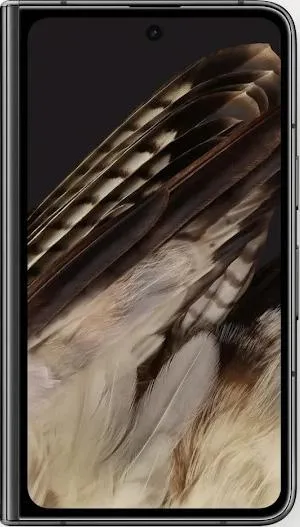
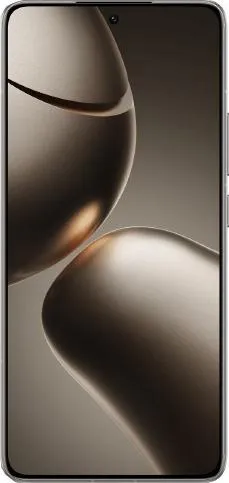
| Form Factor | Foldable | Slab | Pixel Fold offers greater portability when folded and a larger screen when unfolded for multitasking. 14T Pro offers a more traditional, potentially more robust design. |
| Dimensions (mm) | 139.7 x 158.7 x 5.8 (folded) 79.5 x 158.7 x 12.1 (unfolded) | 160.4 x 75.1 x 8.4 | Pixel Fold is significantly wider and thicker when unfolded but more compact when folded. 14T Pro is thinner and easier to pocket. |
| Weight (g) | 283 | 209 | Pixel Fold is noticeably heavier, potentially impacting one-handed usage. |
| Display | |||
| Display Type | Foldable OLED | AMOLED | Pixel Fold's folding display allows for unique use cases like tablet-like browsing and split-screen multitasking. |
| Size (inches) | 7.6 (main), 5.8 (cover) | 6.67 | Pixel Fold's main display offers a significantly larger viewing area than the 14T Pro. |
| Resolution | 1840 x 2208 (main), 1080 x 2092 (cover) | 1220 x 2712 | Both offer high resolution, sharp displays, but Pixel Fold's main display offers higher pixel density when unfolded (378 ppi vs 446 ppi on the smaller 14T Pro screen). |
| Refresh Rate (Hz) | 120 | 144 | 14T Pro's higher refresh rate delivers smoother animations and scrolling, beneficial for gaming and fast-paced content. |
| Peak Brightness (nits) | 1450 | 4000 | 14T Pro offers significantly higher peak brightness, ensuring better visibility in direct sunlight. |
| Performance | |||
| Chipset | Google Tensor G2 (5 nm) | Mediatek Dimensity 9300+ (4 nm) | Dimensity 9300+ is generally considered more powerful in benchmarks, promising smoother performance in demanding tasks. Tensor G2 excels in AI-driven tasks and optimizations. |
| CPU | Octa-core (2x2.85 GHz Cortex-X1 & 2x2.35 GHz Cortex-A78 & 4x1.80 GHz Cortex-A55) | Octa-core (1x3.4 GHz Cortex-X4 & 3x2.85 GHz Cortex-X4 & 4x2.0 GHz Cortex-A720) | Dimensity 9300+'s newer architecture suggests better performance, but real-world difference needs further testing. |
| GPU | Mali-G710 MP7 | Immortalis-G720 MC12 | Immortalis-G720 MC12 is expected to offer superior graphics performance, particularly noticeable in gaming. |
| RAM (GB) | 12 | 12 | Both phones offer ample RAM for multitasking. |
| Camera | |||
| Main Camera (MP) | 48 | 50 | Both offer high-resolution main cameras, but image quality depends on various factors beyond megapixels. |
| Telephoto | Yes (5x optical zoom) | Yes (3.2x optical zoom, calculated) | Pixel Fold boasts a superior optical zoom range. Calculating Xiaomi's zoom based on sensor sizes. |
| Ultrawide | Yes | Yes | Both have ultrawide lenses for capturing wider scenes. |
| Video Capabilities | Up to 4K@60fps with HDR | Up to 8K@30fps with HDR | 14T Pro offers higher resolution video recording. |
| DXOMARK Score | 133 | 135 | 14T Pro has a slightly higher overall DXOMARK score, but individual photo and video scores vary. |
| Battery | |||
| Capacity (mAh) | 4821 | 5000 | 14T Pro has a slightly larger battery capacity. Real-world battery life depends on usage patterns and optimizations. |
| USB Version | 3.2 | 2.0 | Pixel Fold's faster USB standard might offer faster data transfer speeds, but charging speed depends on the charger used. |
2. Key Differences Analysis
Google Pixel Fold Advantages:
- Foldable Form Factor: Unique flexibility for multitasking, content consumption, and portability.
- Superior Optical Zoom: 5x optical zoom offers better detail at longer distances compared to Xiaomi's ~3.2x.
- Software Experience: Pixel phones typically benefit from faster, cleaner Android updates and AI-powered features.
Xiaomi 14T Pro Advantages:
- Higher Performance: Dimensity 9300+ and Immortalis-G720 MC12 offer a potential performance edge, especially for gaming.
- Brighter Display: Significantly brighter display for excellent outdoor visibility.
- Higher Resolution Video Recording: 8K video recording capability.
- Potentially Longer Battery Life: Slightly larger battery capacity and potentially better power efficiency.
3. User Profiles & Recommendations
Google Pixel Fold: Ideal for users who value portability and multitasking, frequently use their phone for productivity tasks, and appreciate a unique form factor. Beneficial for users who consume or create content on the go.
Xiaomi 14T Pro: Ideal for users who prioritize performance, gaming, media consumption with a bright, vibrant display, and seek the best value for their money.
4. Decision Framework
Key Questions for Buyers:
- Form Factor Priority: Is a foldable design with its inherent trade-offs (weight, durability) a must-have, or is a traditional slab phone preferred?
- Performance Needs: Is top-tier gaming and processing power crucial, or is a balanced experience sufficient?
- Budget & Value: Which phone offers the best combination of features and price for individual needs?
My Choice: Xiaomi 14T Pro
While the Pixel Fold's foldable design is intriguing, the Xiaomi 14T Pro offers a more compelling package for my needs. I prioritize performance, a bright and smooth display, and value for money. The 14T Pro's powerful chipset, superior GPU, brighter display with a 144Hz refresh rate, and 8K video recording capabilities outweigh the Pixel Fold's folding screen novelty. While I acknowledge the unique benefits of a foldable, the added weight, potential durability concerns, and higher price of the Pixel Fold make the 14T Pro a more practical and appealing choice for me. The slightly larger battery is also a plus. Ultimately, the 14T Pro offers a more well-rounded and future-proof package.
