1. Specifications Comparison
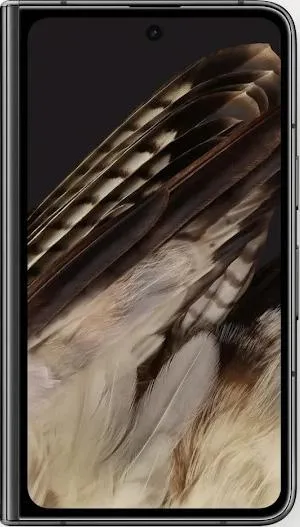
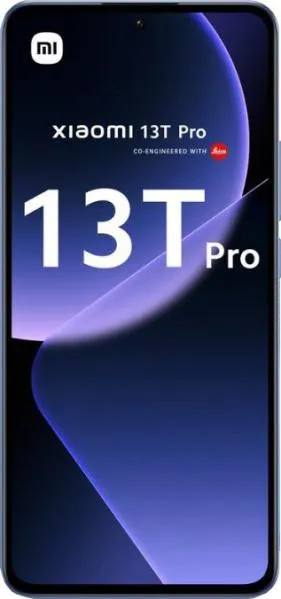
| Feature | Google Pixel Fold | Xiaomi 13T Pro | Practical Impact |
|---|---|---|---|
| Design | |||
| Form Factor | Foldable | Slab | Pixel Fold offers greater portability when folded and a larger screen when unfolded. 13T Pro offers a more traditional, potentially more robust design. |
| Dimensions (mm) | 139.7 x 158.7 x 5.8 (folded) | 162.2 x 75.7 x 8.5 | Pixel Fold is significantly thicker when folded but shorter and wider when unfolded. The 13T Pro is thinner and taller overall. |
| Weight (g) | 283 | 200 | Pixel Fold is noticeably heavier, impacting one-handed use. |
| Display | |||
| Display Type | Foldable OLED | AMOLED | Pixel Fold's folding display allows for tablet-like multitasking and content consumption. 13T Pro's traditional AMOLED likely offers better durability. |
| Display Size (inches) | 7.6 (unfolded), 5.8 (folded) | 6.67 | Pixel Fold provides a significantly larger screen real estate when unfolded. The folded screen is smaller than the 13T Pro's. |
| Resolution (px) | 1840 x 2208 (unfolded), 1080 x 2092 (folded) | 1220 x 2712 | Both offer high resolutions, but the Pixel Fold has a higher pixel density on its inner display, resulting in sharper images. |
| Refresh Rate (Hz) | 120 | 144 | The 13T Pro's higher refresh rate delivers smoother animations and scrolling. |
| Peak Brightness (nits) | 1450 | 2600 | The 13T Pro offers significantly higher peak brightness, improving outdoor visibility. |
| Performance | |||
| Chipset | Google Tensor G2 (5 nm) | Mediatek Dimensity 9200+ (4 nm) | Dimensity 9200+ generally benchmarks higher in raw performance. Tensor G2 is optimized for AI and machine learning tasks. |
| CPU | Octa-core (2x2.85 GHz Cortex-X1 & 2x2.35 GHz Cortex-A78 & 4x1.80 GHz Cortex-A55) | Octa-core (1x3.35 GHz Cortex-X3 & 3x3.0 GHz Cortex-A715 & 4x2.0 GHz Cortex-A510) | Dimensity 9200+ likely offers better multi-core performance due to its newer core architecture. |
| GPU | Mali-G710 MP7 | Immortalis-G715 MC11 | Immortalis-G715 MC11 generally offers superior graphics performance, benefiting demanding games. |
| RAM (GB) | 12 | 12/16 | Both offer ample RAM for multitasking, but the 13T Pro offers a 16GB option for even more demanding users. |
| Camera | |||
| Main Camera (MP) | 48 | 50 | Both offer high-resolution main cameras, but image quality depends on sensor size, processing, and other factors not fully detailed here. |
| Telephoto Capability | Yes (5x Optical Zoom) | Yes (details not fully specified) | Both offer telephoto capabilities, but detailed comparison is limited by missing 13T Pro telephoto specifications. |
| Video Recording | Up to 4K@60fps with HDR | Up to 8K@24fps with HDR | 13T Pro offers higher resolution video recording but at a lower frame rate. Practical benefits of 8K depend on user needs and display devices. |
| Battery | |||
| Capacity (mAh) | 4821 | 5000 | 13T Pro has a slightly larger battery capacity, potentially offering longer battery life. Real-world battery life depends heavily on usage patterns. |
2. Key Differences Analysis
Google Pixel Fold Advantages:
- Foldable Form Factor: Offers unique versatility for multitasking, media consumption, and portability.
- Superior Pixel Density (Inner Display): Sharper image quality on the main display.
- Tensor G2's AI Capabilities: Optimized for Google services and AI-powered features.
Xiaomi 13T Pro Advantages:
- Higher Performance: More powerful CPU and GPU for demanding tasks and gaming.
- Brighter Display: Better outdoor visibility.
- Higher Refresh Rate: Smoother animations and scrolling.
- Potentially Longer Battery Life: Larger battery capacity.
- Lower Price: Generally more affordable than the Pixel Fold.
Trade-offs:
- Pixel Fold: Higher price, heavier weight, potentially less durable due to the folding mechanism.
- Xiaomi 13T Pro: Lacks the versatility of a foldable screen.
3. User Profiles & Recommendations
Google Pixel Fold: Ideal for users who prioritize portability and a large screen for productivity and entertainment on the go. Best for users who value multitasking, unique form factor, and Google's software ecosystem.
Xiaomi 13T Pro: Ideal for users who prioritize performance, display quality, and battery life in a traditional smartphone form factor. Best for gamers, power users, and those seeking a high-value flagship.
4. Decision Framework
Key Questions for Buyers:
- How important is portability and a large screen for your daily use?
- Do you prioritize raw performance or AI-powered features and software optimization?
- What is your budget and how much are you willing to spend on a smartphone?
Scenario-Based Recommendations:
- Frequent Traveler: Pixel Fold's compact folded size and large unfolded screen are ideal for travel.
- Mobile Gamer: Xiaomi 13T Pro's powerful hardware offers a superior gaming experience.
- Budget-Conscious User: Xiaomi 13T Pro provides flagship-level features at a more affordable price.
My Choice: Xiaomi 13T Pro
While the Pixel Fold's foldable design is intriguing, the Xiaomi 13T Pro offers a more compelling package for my needs. I prioritize performance, battery life, and a bright, smooth display. The 13T Pro excels in these areas, offering a powerful Dimensity 9200+ processor, a large 5000mAh battery, and a 144Hz AMOLED display with impressive peak brightness. While I appreciate the versatility of a foldable, the added weight and potential durability concerns of the Pixel Fold, combined with the higher price, make the 13T Pro a more practical and valuable choice for me. The superior camera capabilities of the 13T Pro, including 8K video recording and a more versatile lens setup (based on available information), further solidify my decision. I am also not heavily reliant on Google's specific AI features, making the Tensor G2's advantages less relevant to my usage.
