1. Specifications Comparison
| Feature | Google Pixel Fold | Xiaomi 13T | Practical Impact |
|---|---|---|---|
| Design | |||
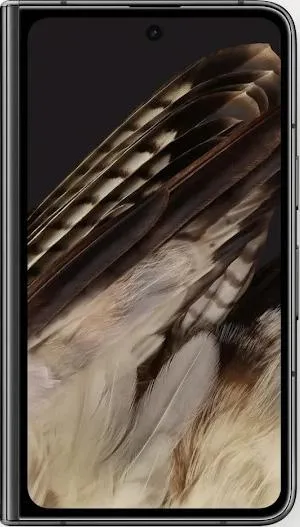
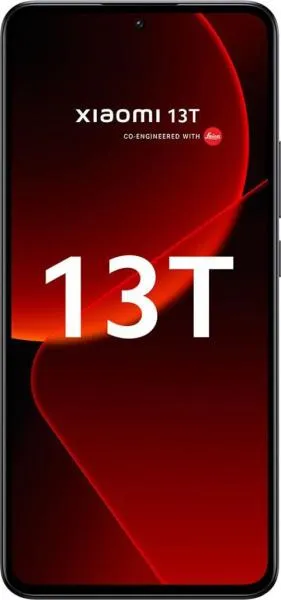
| Form Factor | Foldable | Slab | Pixel Fold offers greater portability when folded and a larger screen when unfolded for multitasking. Xiaomi 13T is more pocketable in its standard form. |
| Dimensions (mm) | 139.7 x 158.7 x 5.8 (folded) | 162.2 x 75.7 x 8.5 | Pixel Fold is significantly wider when unfolded but thinner when folded. Xiaomi 13T is a more typical candybar form factor. |
| Weight (g) | 283 | 193 | Pixel Fold is noticeably heavier, impacting one-handed use. Xiaomi 13T is lighter and easier to handle. |
| Display | |||
| Display Type | Foldable OLED | AMOLED | Pixel Fold's folding display enables unique use cases like tablet-style multitasking and watching videos on a larger screen. |
| Display Size (inches) | 7.6 (unfolded), 5.8 (cover) | 6.67 | Xiaomi 13T offers a large display for a traditional smartphone, but smaller than the unfolded Pixel Fold. |
| Resolution (pixels) | 2208 x 1840 (unfolded), 2092 x 1080 (cover) | 2712 x 1220 | Both offer sharp displays, but Pixel Fold provides more screen real estate when unfolded. |
| Refresh Rate (Hz) | 120 | 144 | Xiaomi 13T's higher refresh rate results in smoother animations and scrolling, especially noticeable in gaming. |
| Peak Brightness (nits) | 1450 | 2600 | Xiaomi 13T's significantly higher peak brightness makes it much more usable in direct sunlight. |
| Performance | |||
| Chipset | Google Tensor G2 (5 nm) | Mediatek Dimensity 8200 Ultra (4 nm) | Both are powerful chipsets, but benchmarks suggest the Dimensity 8200 Ultra offers slightly better performance in some areas. Real-world differences might be minimal for average users. |
| CPU | Octa-core (2x2.85 GHz Cortex-X1 & 2x2.35 GHz Cortex-A78 & 4x1.80 GHz Cortex-A55) | Octa-core (1x3.1 GHz Cortex-A78 & 3x3.0 GHz Cortex-A78 & 4x2.0 GHz Cortex-A55) | Specific core configurations vary, requiring benchmark comparisons for accurate performance assessment. |
| GPU | Mali-G710 MP7 | Mali-G610 MC6 | G710 generally performs better in graphics-intensive tasks like gaming. |
| RAM (GB) | 12 | 8/12 (version dependent) | More RAM on Pixel Fold can enhance multitasking and app performance. We are comparing the 12GB variant of the Xiaomi 13T |
| Camera | |||
| Main Camera (MP) | 48 | 50 | Megapixel count doesn't solely determine image quality. Pixel's computational photography prowess should be considered. Xiaomi 13T uses a larger sensor (Sony IMX707). |
| Telephoto Capability | Yes (5x Optical Zoom) | Yes (2x Optical Zoom, estimated based on sensor size) | Pixel Fold offers superior optical zoom range. |
| Ultrawide (MP) | 10.8 | 13 | Xiaomi 13T has a slightly higher resolution ultrawide. |
| Video | Up to 4K@60fps with HDR | Up to 4K@30fps with HDR | Pixel Fold supports higher resolution video recording. |
| Battery | |||
| Capacity (mAh) | 4821 | 5000 | Xiaomi 13T boasts a slightly larger battery capacity, potentially offering longer battery life. Foldables often have shorter battery life due to the dual displays. |
| Charging Speed | Not specified | Not specified | Unable to compare charging speeds without specific data. |
2. Key Differences Analysis
Google Pixel Fold Advantages:
- Foldable Form Factor: Offers versatility unmatched by traditional smartphones.
- Superior Optical Zoom: 5x optical zoom surpasses the Xiaomi 13T.
- Higher Resolution Video Recording: Captures more detailed videos.
- Software Experience: Generally faster updates and unique Google features.
Xiaomi 13T Advantages:
- Higher Refresh Rate Display: Smoother visual experience for gaming and scrolling.
- Brighter Display: Significantly more visible in bright sunlight.
- Potentially Longer Battery Life: Larger battery capacity suggests longer usage time.
- Potentially Lower Price: Depending on configuration, it could be more affordable.
- Lighter and More Pocketable: Easier for one-handed use and carrying.
3. User Profiles & Recommendations
Google Pixel Fold Ideal User:
- Multitaskers: Those who frequently use multiple apps simultaneously or need a larger screen for productivity.
- Content Consumers: Enjoying media on a larger display and portability of a smaller device.
- Early Adopters: Willing to embrace new technology and form factors.
Xiaomi 13T Ideal User:
- Performance-focused Users: Prioritizing smooth gaming and overall system responsiveness.
- Battery Life Conscious: Seeking a device that lasts longer on a single charge.
- Budget-Minded Consumers: Looking for flagship-level features at a more accessible price point.
4. Decision Framework
Key Questions for Buyers:
- Form Factor Priority: Is a foldable screen essential for your workflow and entertainment, or is a traditional smartphone sufficient?
- Display Preferences: Do you prioritize smoother visuals (higher refresh rate) or brighter outdoor visibility?
- Budget Constraints: Which phone offers the best value for its price considering your individual needs?
My Choice: Xiaomi 13T
While the Pixel Fold's foldable design is intriguing, the Xiaomi 13T better suits my needs and priorities. The significantly brighter display is crucial for outdoor use, and the 144Hz refresh rate provides a noticeable improvement in daily interactions. While I appreciate the versatility of the Fold, I value the lighter weight, longer battery life (expected based on specs), and potentially lower price of the Xiaomi 13T. The slightly higher resolution ultrawide lens is a bonus. Ultimately, the tangible benefits of the 13T's display and practicality outweigh the novelty of a folding screen for my personal use.
