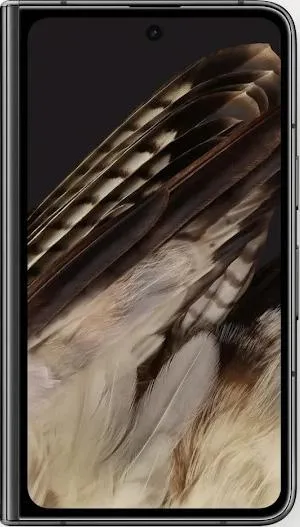
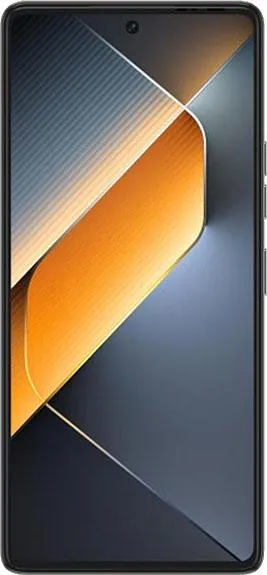
1. Specifications Comparison
| Feature | Google Pixel Fold | Tecno Pova 6 Pro | Practical Impact |
|---|---|---|---|
| Design | |||
| Dimensions | 139.7 x 158.7 x 5.8 mm (folded) | 165.5 x 76.1 x 7.9 mm | Pixel Fold significantly more compact when folded, Pova 6 Pro thinner when unfolded. Fold's foldability offers portability advantage; Pova 6 Pro's traditional slab design might be more robust. |
| Weight | 283g | 198g | Pixel Fold noticeably heavier due to folding mechanism and larger battery. Pova 6 Pro more comfortable for extended one-handed use. |
| Build | Missing | Missing | Build quality and materials impact durability and premium feel. Lack of information prevents comparison. |
| Display | |||
| Type | Foldable OLED | AMOLED | Pixel Fold offers a unique foldable experience with a larger inner display for multitasking and media consumption. Pova 6 Pro's traditional AMOLED offers a bright, vibrant viewing experience. |
| Size | 7.6" (unfolded), 5.8" (outer) | 6.78" | Pixel Fold's larger unfolded display enables tablet-like functionality. Pova 6 Pro's display size is generous for a standard smartphone. |
| Resolution | 1840 x 2208 (unfolded), 1080 x 2092 (outer) | 1080 x 2436 | Both offer sharp displays, but Pixel Fold's inner display boasts higher resolution for crisper visuals in unfolded mode. |
| Refresh Rate | 120Hz | 120Hz | Both displays offer smooth scrolling and animations thanks to the high refresh rate. |
| Peak Brightness | 1450 nits | 1300 nits | Pixel Fold slightly brighter, potentially improving outdoor visibility. |
| Performance | |||
| Chipset | Google Tensor G2 (5nm) | MediaTek Dimensity 6080 (6nm) | Tensor G2 likely offers superior AI processing and overall performance compared to Dimensity 6080. This translates to faster app loading, smoother multitasking, and potentially better gaming performance on the Pixel Fold. |
| CPU | Octa-core (2x2.85 GHz Cortex-X1 & 2x2.35 GHz Cortex-A78 & 4x1.80 GHz Cortex-A55) | Octa-core (2x2.4 GHz Cortex-A76 & 6x2.0 GHz Cortex-A55) | Pixel Fold's CPU configuration suggests better performance, particularly in demanding tasks. |
| GPU | Mali-G710 MP7 | Mali-G57 MC2 | Pixel Fold's GPU is more powerful, leading to improved gaming and graphics-intensive application performance. |
| RAM | 12GB | 12GB (Tested Model) | Both have ample RAM for smooth multitasking. |
| Camera | |||
| Rear Camera | 48MP Main, 10.8MP Wide, 10.8MP Telephoto | 108MP Main, 2MP Portrait, unspecified third sensor | Pixel Fold likely leverages Google's computational photography expertise for excellent image quality despite lower megapixel count on the main sensor. Tecno Pova 6 Pro's 108MP sensor might offer higher resolution images but image quality depends heavily on processing. Lack of clarity on the third sensor limits assessment. |
| Video | 4K@60fps with HDR | 1440p@30fps | Pixel Fold capable of higher resolution and frame rate video recording with HDR. |
| Battery | |||
| Capacity | 4821 mAh | 6000 mAh | Pova 6 Pro has significantly larger battery capacity, likely translating to longer battery life. Pixel Fold's smaller battery needs to power a more demanding display and processor. |
2. Key Differences Analysis
Google Pixel Fold Advantages:
- Foldable Form Factor: Unique versatility for multitasking and media consumption.
- Superior Performance: More powerful chipset and GPU.
- Advanced Camera Features: Google's computational photography and higher quality video recording.
Tecno Pova 6 Pro Advantages:
- Longer Battery Life: Significantly larger battery capacity.
- Lighter and Thinner (unfolded): More comfortable for one-handed use.
- Lower Price: Potentially more affordable.
3. User Profiles & Recommendations
Google Pixel Fold: Ideal for users who value innovation, portability, multitasking, and a premium user experience. Suitable for professionals, content creators, and those who prioritize a powerful pocket-sized device.
Tecno Pova 6 Pro: Best suited for users who prioritize battery life, affordability, and a large display for media consumption. Good for casual users, students, and budget-conscious buyers.
4. Decision Framework
Key Questions for Buyers:
- Form Factor Priority: Do you value the portability and versatility of a foldable phone or prefer a traditional slab design?
- Performance Needs: Do you require top-tier processing power for demanding tasks or is moderate performance sufficient?
- Budget Constraints: What is your budget, and how much are you willing to pay for premium features?
Scenario-Based Recommendations:
- Power User with High Budget: Pixel Fold
- Casual User on a Budget: Tecno Pova 6 Pro
- User Prioritizing Battery Life: Tecno Pova 6 Pro
- User Prioritizing Innovation and Portability: Pixel Fold
My Choice: Google Pixel Fold
While the Tecno Pova 6 Pro offers compelling features like a large battery and lower price, I would choose the Google Pixel Fold. The foldable form factor is a game-changer for productivity and media consumption, allowing for a tablet-like experience in a pocket-sized device. The superior performance of the Tensor G2 chip, combined with Google's renowned computational photography, ensures a smooth and enjoyable user experience. I am willing to compromise on battery life and a higher price for the innovative design and premium features offered by the Pixel Fold. The ability to have a tablet and phone in one device is a significant advantage for my usage.
