1. Specifications Comparison
| Feature | Google Pixel Fold | Samsung Galaxy Z Flip6 | Practical Impact |
|---|---|---|---|
| Design | |||
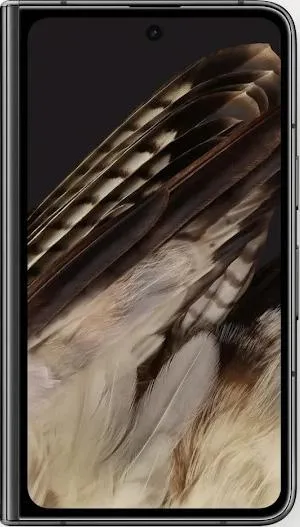
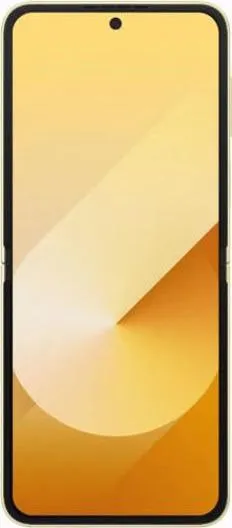
| Form Factor | Foldable (Book-style) | Foldable (Clamshell) | Pixel Fold offers a larger unfolded screen for tablet-like multitasking; Z Flip6 is more compact and pocketable when folded. |
| Dimensions (mm) | 139.7 x 158.7 x 5.8 | 165.1 x 71.9 x 6.9 | Pixel Fold is wider unfolded but thinner when closed. Z Flip6 is taller and thicker when closed. |
| Weight (g) | 283 | 187 | Z Flip6 is significantly lighter, making it more comfortable for one-handed use and extended periods. |
| Display | |||
| Display Type | Foldable OLED | Foldable Dynamic AMOLED 2X | Both offer high-quality foldable displays with vibrant colors and deep blacks. The impact of "Dynamic AMOLED 2X" is unclear without further specification. |
| Display Size (inches) | 7.6 (unfolded); 5.8 (cover) | 6.7 (unfolded) | Pixel Fold's larger unfolded display provides more screen real estate for productivity and media consumption. Z Flip6's cover screen allows for quick interactions without unfolding. |
| Resolution (pixels) | 1840 x 2208 (unfolded); 1080 x 2092 (cover) | 1080 x 2640 | Pixel Fold has a higher resolution inner display, resulting in sharper images and text. Z Flip6's taller aspect ratio is better suited for scrolling through content. |
| Refresh Rate (Hz) | 120 | 120 | Both offer smooth scrolling and animations thanks to the 120Hz refresh rate. |
| Performance | |||
| Chipset | Google Tensor G2 (5 nm) | Qualcomm Snapdragon 8 Gen 3 (4 nm) | Snapdragon 8 Gen 3 is generally considered more powerful, potentially leading to better performance in demanding tasks and gaming. |
| CPU | Octa-core (2x2.85 GHz Cortex-X1 & 2x2.35 GHz Cortex-A78 & 4x1.80 GHz Cortex-A55) | Octa-core (1x3.39GHz Cortex-X4 & 3x3.1GHz Cortex-A720 & 2x2.9GHz Cortex-A720 & 2x2.2GHz Cortex-A520) | Snapdragon 8 Gen 3's newer architecture likely provides a performance advantage. |
| GPU | Mali-G710 MP7 | Adreno 750 (1 GHz) | Adreno 750 is expected to offer superior graphics performance compared to the Mali-G710 MP7. |
| RAM | 12GB | 12GB | Both phones have ample RAM for multitasking. |
| Camera | |||
| Rear Cameras | 48MP Main, 10.8MP Wide, 10.8MP Telephoto | 50MP Main, 12MP Wide | Pixel Fold has a dedicated telephoto lens for optical zoom; Z Flip6 relies on digital zoom for close-up shots. Pixel's known computational photography prowess might give it an edge in overall image quality. |
| Front Camera | 9.5MP/8MP | 10MP | Minor difference in resolution; practical impact depends on image processing. |
| Battery | |||
| Capacity (mAh) | 4821 | 3700 | Pixel Fold has a significantly larger battery, likely translating to longer battery life. |
2. Key Differences Analysis
Pixel Fold Advantages:
- Larger unfolded display for tablet-like experience
- Higher resolution inner display
- Larger battery capacity
- Dedicated telephoto lens
Z Flip6 Advantages:
- Significantly lighter and more compact
- More powerful processor and GPU
- More affordable (based on provided price ranges)
- Newer Bluetooth version (5.3 vs 5.2) although practical differences are minimal.
3. User Profiles & Recommendations
Pixel Fold: Ideal for users who prioritize productivity and media consumption on the go, valuing a larger screen for multitasking and a longer battery life.
Z Flip6: Ideal for users who value portability and style, prioritizing a compact phone that easily fits in a pocket and offers good performance for everyday tasks.
4. Decision Framework
Key Questions for Buyers:
- How important is screen size and multitasking? Larger screen prioritizes productivity; smaller screen prioritizes portability.
- What is your budget? Z Flip6 is generally more affordable.
- What is your priority: Performance or Battery life? Z Flip 6 offers better performance; Pixel Fold offers longer battery life.
My Choice: Google Pixel Fold
While the Samsung Galaxy Z Flip6 boasts a more powerful processor and a sleeker, more compact design, the Google Pixel Fold's larger unfolded display and superior battery life are decisive factors for me. I value the ability to multitask effectively and use my phone for extended periods without worrying about battery life. The dedicated telephoto lens also enhances the photography experience, a feature I frequently utilize. The Pixel's stronger reputation for software updates and camera processing further solidify my preference. Although heavier, the Pixel Fold's book-style fold provides a more seamless transition to a tablet-like experience, catering to my productivity needs. The price difference is not a significant barrier for me given the substantial benefits the Pixel Fold offers in terms of usability and functionality.
