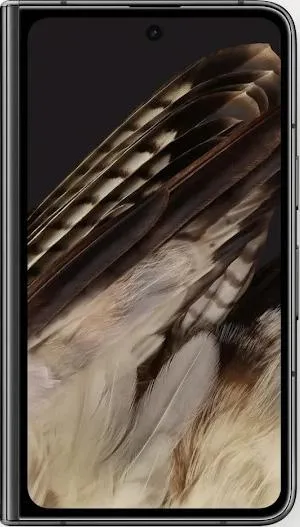
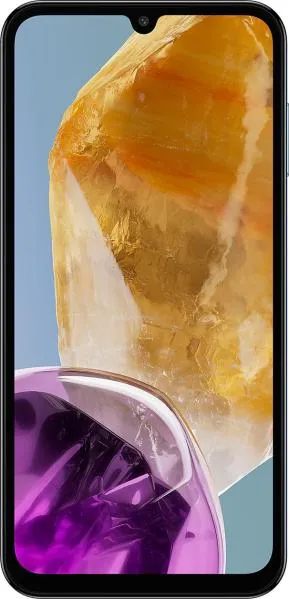
1. Specifications Comparison
| Feature | Google Pixel Fold | Samsung Galaxy M15 | Practical Impact |
|---|---|---|---|
| Design | |||
| Dimensions (mm) | 139.7 x 158.7 x 5.8 (folded) | 160.1 x 76.8 x 9.3 | Pixel Fold significantly more compact when folded, but wider unfolded. M15 is a traditional slab phone, easier to pocket. |
| Weight (g) | 283 | 217 | Pixel Fold noticeably heavier, potentially tiring for extended use. M15 lighter and more comfortable for one-handed use. |
| Foldable | Yes | No | Pixel Fold offers tablet-like experience and multitasking capabilities. M15 offers a standard smartphone experience. |
| Display | |||
| Display Type | Foldable OLED, 120Hz | Super AMOLED, 90Hz | Pixel Fold's foldable OLED allows for a larger screen in a smaller device footprint. Both offer smooth scrolling, but Pixel Fold's 120Hz provides a more fluid experience. |
| Display Size (inches) | 7.6 (unfolded), 5.8 (cover) | 6.5 | Pixel Fold provides a much larger screen real estate when unfolded for media consumption and productivity. M15 has a standard large screen size. |
| Resolution (px) | 2208 x 1840 (unfolded), 2092 x 1080 (cover) | 2340 x 1080 | Pixel Fold offers significantly higher resolution on the main display for sharper images and text. Comparable resolution on the cover display to the M15. |
| Peak Brightness (nits) | 1450 | 800 | Pixel Fold's display significantly brighter and more visible in direct sunlight. M15 may be harder to see outdoors. |
| Performance | |||
| Chipset | Google Tensor G2 (5nm) | Mediatek Dimensity 6100+ (6nm) | Tensor G2 likely offers superior AI processing and overall performance. Dimensity 6100+ is a mid-range chip focused on efficiency. |
| CPU | Octa-core (2x2.85 GHz Cortex-X1 & 2x2.35 GHz Cortex-A78 & 4x1.80 GHz Cortex-A55) | Octa-core (2x2.2 GHz Cortex-A76 & 6x2.0 GHz Cortex-A55) | Pixel Fold's CPU configuration suggests significantly better performance for demanding tasks and multitasking. |
| RAM | 12GB | 4GB/6GB | Pixel Fold's larger RAM enables smoother multitasking and handling more demanding applications without slowdowns. M15's RAM might struggle with heavy multitasking. |
| Camera | |||
| Main Camera (MP) | 48 | 50 | Megapixel count is similar, but image quality depends on sensor size, processing, and other factors not fully detailed here. Pixel's computational photography prowess should give it an edge. |
| Other Cameras | Wide, Telephoto | Wide, Macro | Pixel Fold's telephoto lens enables optical zoom. M15's macro lens allows for close-up shots. Practical choice depends on individual photography preferences. |
| Video Capabilities | Up to 4K@60fps with HDR | 1080p@30fps with EIS | Pixel Fold capable of significantly higher resolution and frame rate video recording with HDR. M15's video capabilities are basic. |
| Battery | |||
| Capacity (mAh) | 4821 | 6000 | M15 has a considerably larger battery capacity, suggesting significantly longer battery life. Pixel Fold's larger, higher refresh rate display will likely consume more power. |
2. Key Differences Analysis
Google Pixel Fold Advantages:
- Foldable Design: Offers larger screen real estate and flexible usage scenarios.
- Superior Performance: Tensor G2 chip and 12GB RAM provide significantly faster processing and smoother multitasking.
- Higher Quality Display: Brighter, higher resolution, and smoother refresh rate for a premium visual experience.
- Advanced Camera Features: Telephoto lens for optical zoom, higher quality video recording capabilities.
Samsung Galaxy M15 Advantages:
- Longer Battery Life: Significantly larger battery capacity for extended usage.
- Lower Price: Positioned in a more budget-friendly price range.
- Lighter and Easier to Handle: More comfortable for one-handed use and portability.
3. User Profiles & Recommendations
Google Pixel Fold: Ideal for power users, multitaskers, content creators, and those who value a premium, cutting-edge device. Excellent for media consumption, productivity on the go, and mobile photography.
Samsung Galaxy M15: Suitable for budget-conscious users who prioritize battery life and basic functionality. Good for everyday communication, social media browsing, and light tasks. Not ideal for demanding gaming or heavy multitasking.
4. Decision Framework
Key Questions for Buyers:
- Budget: Are you willing to pay a premium for a foldable device with top-tier specifications?
- Usage: Do you need a large screen for productivity and media consumption or prioritize portability and battery life?
- Features: Are advanced camera features, performance, and a high-quality display essential, or are you satisfied with basic functionality?
Scenario-Based Recommendations:
- Power User: Pixel Fold is the clear choice for demanding tasks, multitasking, and a premium experience.
- Budget-Conscious Student: Samsung Galaxy M15 offers good value for basic needs and long battery life.
- Frequent Traveler: Pixel Fold's foldable design might be beneficial for entertainment on the go, but M15's lighter weight and longer battery life could be more practical.
My Choice: Google Pixel Fold
While the Samsung Galaxy M15 offers excellent battery life and a more affordable price, the Google Pixel Fold's foldable design, superior performance, and significantly better display and camera capabilities are compelling. I value the flexibility of having a tablet-sized screen in a pocketable device, and the Pixel's overall user experience would be significantly more enjoyable for my usage patterns, which involve heavy multitasking, media consumption, and photography. The price premium is justified for the significant leap in functionality and quality.
