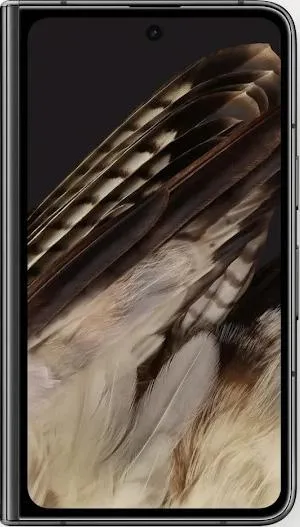
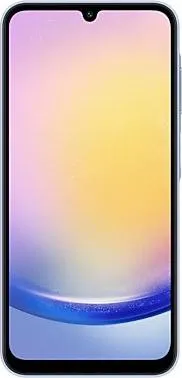
1. Specifications Comparison
| Feature | Google Pixel Fold | Samsung Galaxy A25 | Practical Impact |
|---|---|---|---|
| Design | |||
| Dimensions (mm) | 139.7 x 158.7 x 5.8 (folded) | 161 x 76.5 x 8.3 | Pixel Fold significantly smaller when folded, but wider unfolded; A25 more pocketable in standard form. |
| Weight (g) | 283 | 197 | Pixel Fold noticeably heavier; can be tiring for extended use. |
| Foldable | Yes | No | Pixel Fold offers larger screen real estate in a compact form factor. |
| Display | |||
| Display Type | Foldable OLED | Super AMOLED | Pixel Fold's folding display allows for tablet-like experience; A25 offers a traditional flat display. |
| Display Size (inches) | 7.6 (unfolded), 5.8 (cover) | 6.5 | Pixel Fold provides significantly larger screen for multitasking and media consumption when unfolded. |
| Resolution (px) | 2208 x 1840 (unfolded), 2092 x 1080 (cover) | 2340 x 1080 | Both offer sharp displays, but Pixel Fold boasts higher resolution on its main display. |
| Refresh Rate (Hz) | 120 | 120 | Both offer smooth scrolling and animations. |
| Peak Brightness (nits) | 1450 | 1000 | Pixel Fold's display will be more visible in direct sunlight. |
| Performance | |||
| Chipset | Google Tensor G2 (5 nm) | Exynos 1280 (5 nm) | Tensor G2 generally offers superior performance in AI tasks and overall processing power compared to Exynos 1280. |
| CPU | Octa-core (2x2.85 GHz Cortex-X1 & 2x2.35 GHz Cortex-A78 & 4x1.80 GHz Cortex-A55) | Octa-core (2x2.4 GHz Cortex-A78 & 6x2.0 GHz Cortex-A55) | Pixel Fold has a more powerful CPU configuration, resulting in faster app loading and smoother multitasking. |
| RAM (GB) | 12 | 6/8 | Pixel Fold offers significantly more RAM, enabling better multitasking and preventing app closures in the background. |
| Camera | |||
| Rear Camera (MP) | 48 MP Main, 10.8 MP Wide, 10.8 MP Telephoto | 50 MP Main, 8 MP Wide, 2 MP Depth | Pixel Fold expected to have superior image processing due to Tensor G2; A25 offers a higher resolution main sensor but lacks a dedicated telephoto lens. |
| DxOMark Score | 133 | 92 | Pixel Fold rated significantly higher in overall camera quality by DxOMark. |
| Battery | |||
| Capacity (mAh) | 4821 | 5000 | While A25 has slightly larger battery capacity, Pixel Fold's larger, higher refresh rate display may result in comparable battery life. Real-world usage will vary. |
2. Key Differences Analysis
Google Pixel Fold Advantages:
- Foldable Design: Offers a larger screen in a compact device.
- Superior Performance: Tensor G2 chip provides faster processing, better AI capabilities, and smoother multitasking.
- Higher Quality Camera: DxOMark score indicates better overall image quality.
- Brighter Display: Easier to view in sunlight.
Samsung Galaxy A25 Advantages:
- Lower Price: Significantly more affordable.
- Lighter Weight: More comfortable for extended one-handed use.
- Larger Battery Capacity: Potentially longer battery life depending on usage.
- Simpler Design: No hinge mechanism to worry about.
3. User Profiles & Recommendations
Google Pixel Fold: Ideal for users who prioritize productivity and media consumption on the go and value a large screen experience in a portable device. Best for power users, multitaskers, content creators, and those who want the latest technology.
Samsung Galaxy A25: Suitable for budget-conscious users who need a reliable smartphone for everyday tasks like calling, texting, browsing, and social media. Best for casual users, students, and those seeking a good balance of features and affordability.
4. Decision Framework
Key Questions for Buyers:
- What is your budget? The Pixel Fold is significantly more expensive.
- How important is portability versus screen size? The A25 is more pocketable, while the Pixel Fold offers a larger display when unfolded.
- What are your primary use cases? The Pixel Fold excels at multitasking and media consumption, while the A25 is sufficient for basic tasks.
My Choice: Google Pixel Fold
While significantly more expensive, the Pixel Fold's superior performance, innovative foldable design, brighter display, and significantly better camera make it the clear winner for me. The ability to seamlessly transition between a phone and a mini-tablet is a game changer for productivity and entertainment. I value the power of the Tensor G2 chip for its AI capabilities and smooth performance. The higher price is justified by the cutting-edge technology and the significant advantages it offers over the Galaxy A25. While I acknowledge the A25's strengths in battery capacity and affordability, the Pixel Fold's advantages outweigh these factors for my personal needs and preferences. I prioritize performance, a high-quality camera, and the flexibility of a foldable screen. The A25 feels like a compromise in too many areas compared to the Pixel Fold.
