1. Specifications Comparison
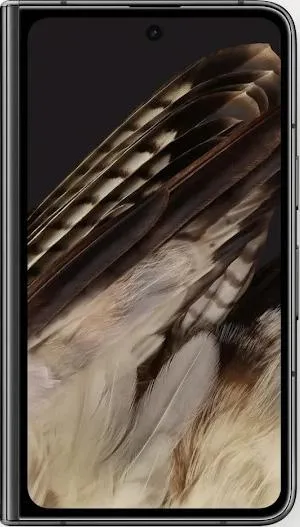
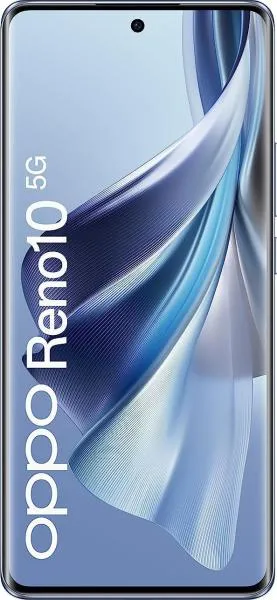
| Feature | Google Pixel Fold | Oppo Reno10 | Practical Impact |
|---|---|---|---|
| Design | |||
| Dimensions (mm) | 139.7 x 158.7 x 5.8 (folded) | 162.4 x 74.2 x 8 | Pixel Fold significantly smaller when folded, but wider unfolded. Reno10 thinner overall. |
| Weight (g) | 283 | 185 | Pixel Fold noticeably heavier due to folding mechanism. Reno10 more pocketable for everyday use. |
| Foldable | Yes | No | Pixel Fold offers larger screen real estate in a pocketable size; Reno10 offers a traditional smartphone experience. |
| Display | |||
| Display Type | Foldable OLED | AMOLED | Pixel Fold's folding display allows for tablet-like multitasking and media consumption. |
| Display Size (inches) | 7.6 (unfolded), 5.8 (cover) | 6.7 | Pixel Fold offers a larger main display for productivity and entertainment; Reno10 has a large, standard size. |
| Resolution (px) | 2208 x 1840 (unfolded), 1080 x 2092 (cover) | 1080 x 2412 | Pixel Fold's unfolded display offers significantly higher resolution for sharper visuals. |
| Refresh Rate (Hz) | 120 | 120 | Both offer smooth scrolling and animations. |
| Peak Brightness (nits) | 1450 | 950 | Pixel Fold's display can get brighter, improving outdoor visibility. |
| Performance | |||
| Chipset | Google Tensor G2 (5 nm) | MediaTek Dimensity 7050 (6 nm) | Tensor G2 likely offers better AI performance and overall speed. Dimensity 7050 is a capable mid-range chip. |
| CPU | Octa-core (2x2.85 GHz Cortex-X1 & 2x2.35 GHz Cortex-A78 & 4x1.80 GHz Cortex-A55) | Octa-core (2x2.6 GHz Cortex-A78 & 6x2.0 GHz Cortex-A55) | Pixel Fold's CPU boasts higher clock speeds and more powerful cores for demanding tasks. |
| GPU | Mali-G710 MP7 | Mali-G68 MC4 | Pixel Fold's GPU likely provides a smoother gaming experience and better graphics performance. |
| RAM (GB) | 12 | 8 | Pixel Fold offers more RAM for better multitasking and app performance. |
| Camera | |||
| Main Camera (MP) | 48 | 64 | Reno10 has a higher megapixel count, but image quality depends on sensor size and processing. Pixel's computational photography is renowned. |
| Telephoto | Yes (5x optical zoom) | Yes (2x optical zoom, calculated) | Pixel Fold offers superior optical zoom capabilities. Reno10 telephoto specifications are unclear regarding optical zoom. |
| Ultrawide | Yes | Yes | Both phones have ultrawide lenses for capturing wider scenes. FOV specifications would be helpful for comparison. |
| Battery | |||
| Capacity (mAh) | 4821 | 5000 | Reno10 has a slightly larger battery capacity. Real-world battery life depends on usage and optimization. |
2. Key Differences Analysis
Google Pixel Fold Advantages:
- Foldable Display: Offers a larger screen for multitasking and media consumption.
- More Powerful Performance: The Tensor G2 and larger RAM provide a smoother and faster experience.
- Superior Camera System: Expected to have better overall image quality, particularly in zoom and low light, given Google's track record.
- Brighter Display: Better outdoor visibility.
Oppo Reno10 Advantages:
- Lighter and Thinner: More comfortable for one-handed use and carrying in a pocket.
- Larger Battery Capacity: Potentially longer battery life, but real-world usage will vary.
- Lower Price: Offers good value for its features.
3. User Profiles & Recommendations
Google Pixel Fold: Ideal for users who value productivity, multitasking, and premium media consumption on the go. Suitable for professionals, content creators, and power users.
Oppo Reno10: Suitable for users who want a sleek, lightweight phone with a good display and capable performance at a more affordable price. Good for everyday use, social media, and light gaming.
4. Decision Framework
Key Questions for Buyers:
- Is a foldable screen essential? The Pixel Fold's key feature is its foldable display. If this isn't a priority, the Reno10 offers a more traditional form factor at a lower price.
- What is your budget? The Pixel Fold is significantly more expensive.
- What are your performance needs? For demanding tasks and gaming, the Pixel Fold offers a significant performance advantage.
My Choice: Google Pixel Fold
While significantly more expensive, the Pixel Fold's innovative foldable design and superior performance outweigh the price difference for me. The ability to have a tablet-sized screen in my pocket for productivity and entertainment is compelling. I also prioritize a smooth user experience and high-quality camera, which the Pixel Fold is more likely to deliver based on Google's track record with the Tensor G2 chip and computational photography. The Reno10 is a solid mid-range option, but the Pixel Fold offers a more compelling overall package for my needs.
