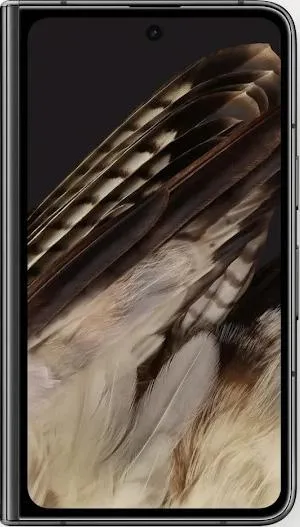
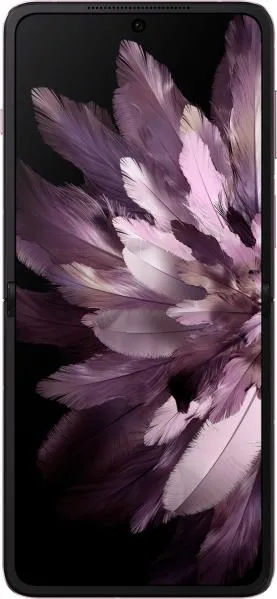
1. Specifications Comparison
| Feature | Google Pixel Fold | Oppo Find N3 Flip | Practical Impact |
|---|---|---|---|
| Design | |||
| Dimensions (mm) | 139.7 x 158.7 x 5.8 (unfolded) 139.7 x 79.5 x 12.1 (folded) | 166.4 x 75.8 x 7.8 (unfolded) 85.7 x 75.8 x 16.4 (folded) | Pixel Fold is wider unfolded, offering more tablet-like experience. Find N3 Flip is significantly more compact when folded, enhancing pocketability. Pixel Fold is thinner unfolded, but thicker folded. |
| Weight (g) | 283 | 198 | Find N3 Flip is noticeably lighter, reducing hand fatigue during extended use. |
| Foldable Type | Book | Flip | Pixel Fold unfolds into a tablet-like form factor, Find N3 Flip into a traditional phone shape. Impacts app usage and multitasking capabilities. |
| Display | |||
| Display Size (inches) | 7.6 (Inner) 5.8 (Outer) | 6.8 (Inner) 3.26 (Outer) | Pixel Fold offers a larger main display for immersive content consumption and productivity. Find N3 Flip's smaller cover screen limits functionality but provides quick notifications. |
| Resolution (pixels) | 1840 x 2208 (Inner) 1080 x 2092 (Outer) | 1080 x 2520 (Inner) | Pixel Fold's inner display has a higher pixel density (378 ppi vs 403 ppi on Find N3), potentially resulting in sharper visuals. Differences may not be noticeable to the average user. |
| Refresh Rate (Hz) | 120 | 120 | Both offer smooth scrolling and animations thanks to the high refresh rate. |
| Display Type | Foldable OLED | Foldable LTPO AMOLED | While both are OLED, LTPO on Find N3 Flip allows for dynamic refresh rate adjustment, potentially saving battery life. The lack of "is_ltpo":true in the Pixel Fold specs may be an omission, not a confirmation of no LTPO. |
| Peak Brightness (nits) | 1450 | 1600 | Find N3 Flip boasts slightly higher peak brightness, improving outdoor visibility. |
| Performance | |||
| Chipset | Google Tensor G2 (5 nm) | Mediatek Dimensity 9200 (4 nm) | Dimensity 9200 generally benchmarks higher in terms of raw performance. Tensor G2 prioritizes AI and machine learning tasks. Real-world performance differences may vary depending on usage. |
| CPU | Octa-core (2x2.85 GHz Cortex-X1 & 2x2.35 GHz Cortex-A78 & 4x1.80 GHz Cortex-A55) | Octa-core (1x3.05 GHz Cortex-X3 & 3x2.85 GHz Cortex-A715 & 4x1.80 GHz Cortex-A510) | Dimensity 9200 likely offers better single-core and multi-core performance due to newer core architecture. |
| GPU | Mali-G710 MP7 | Immortalis-G715 MC11 | Immortalis-G715 generally provides superior graphics performance, benefiting gaming and graphically intensive tasks. |
| RAM (GB) | 12 | 12 | Both have ample RAM for smooth multitasking. |
| Camera | |||
| Main Camera (MP) | 48 | 50 | Both offer high-resolution main cameras. Image quality depends on factors beyond resolution, including sensor size and processing. Oppo provides more details about the sensor. |
| Telephoto Lens | Yes (10.8MP) | Yes (32MP with 2x optical zoom) | Find N3 Flip's telephoto offers higher resolution and specified optical zoom, potentially capturing better zoomed-in shots. Pixel Fold's telephoto specs are less detailed. |
| Ultrawide Lens | Yes (10.8MP) | Yes (48MP) | Find N3 Flip has a much higher resolution ultrawide. |
| Battery | |||
| Capacity (mAh) | 4821 | 4300 | Pixel Fold has a larger battery capacity, potentially offering longer battery life. Real-world battery life is influenced by various factors, including display usage and processing demands. |
| USB Version | 3.2 | 2.0 | Pixel Fold's USB 3.2 offers significantly faster data transfer speeds compared to Find N3 Flip's USB 2.0. |
2. Key Differences Analysis
Google Pixel Fold Advantages:
- Larger inner display: Provides a more immersive tablet-like experience for productivity and media consumption.
- Potentially longer battery life: Larger battery capacity suggests longer usage time.
- Faster data transfer: USB 3.2 enables quicker file transfers and backups.
- Google's software integration: Typically receives faster Android updates and features optimized for Google services.
Oppo Find N3 Flip Advantages:
- More compact and lighter: Offers superior portability and one-handed usability.
- Higher resolution telephoto and ultrawide cameras: Potentially captures better zoomed and wide-angle shots.
- Brighter display: Improves outdoor visibility.
- Potentially better performance: Dimensity 9200 generally benchmarks higher than Tensor G2.
3. User Profiles & Recommendations
Google Pixel Fold: Ideal for users who prioritize a large screen for multitasking, media consumption, and productivity on the go. Suitable for those who value a tablet-like experience in a pocketable device.
Oppo Find N3 Flip: Best suited for users who prioritize portability and one-handed usability above all else. The flip design offers a compact form factor without sacrificing a large inner display. Excellent choice for those focused on camera quality, particularly telephoto and ultrawide capabilities.
4. Decision Framework
Key Questions for Buyers:
- How important is screen size and multitasking? If a large tablet-like experience is crucial, the Pixel Fold is preferable. If portability is paramount, the Find N3 Flip is the better choice.
- What is your budget and prioritization of camera quality? The Find N3 Flip offers compelling camera hardware, potentially justifying its price for photography enthusiasts. The Pixel Fold's camera system, while less detailed in the provided specs, is likely still very capable.
- What is your typical usage pattern? Heavy media consumers and productivity users might prefer the Pixel Fold's larger battery and screen. Those who primarily use their phone for communication, social media, and occasional photography might find the Find N3 Flip's portability and camera system more appealing.
My Choice: Oppo Find N3 Flip
While the Pixel Fold's larger unfolded screen is tempting, the Oppo Find N3 Flip's superior portability, lighter weight, and seemingly more powerful camera system (especially the telephoto and ultrawide lenses) are more appealing to me. The smaller outer display is a trade-off I'm willing to make for the significant gains in pocketability and everyday usability. The Dimensity 9200's expected performance advantage and brighter display are further compelling factors. I also appreciate the wider availability of specific camera sensor details for the Oppo phone, allowing for a more informed decision. While battery capacity is smaller, the LTPO display could potentially offset this difference in real-world usage. Ultimately, my personal preference leans towards a more compact and convenient device with strong camera capabilities.
