1. Specifications Comparison
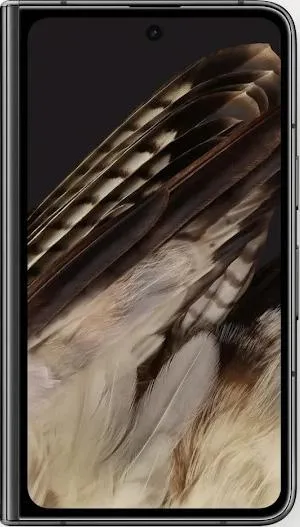
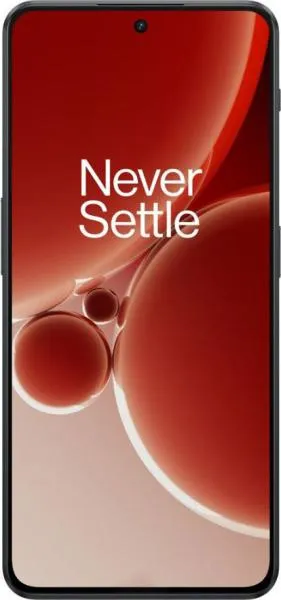
| Feature | Google Pixel Fold | OnePlus Nord 3 | Practical Impact |
|---|---|---|---|
| Design | |||
| Form Factor | Foldable | Slab | Pixel Fold offers greater portability when folded and a larger screen when unfolded. Nord 3 is more traditional and potentially more durable. |
| Dimensions (mm) | 139.7 x 158.7 x 5.8 (unfolded) | 162 x 75.1 x 8.2 | Pixel Fold is significantly wider unfolded, but thinner and potentially pocketable when folded. Nord 3 is a typical large slab phone. |
| Weight (g) | 283 | 193.5 | Pixel Fold is noticeably heavier, impacting one-handed use. |
| Display | |||
| Display Type | Foldable OLED | AMOLED | Pixel Fold's folding display allows for a tablet-like experience. Nord 3's display is larger than a typical phone but not as big as the unfolded Pixel. |
| Size (inches) | 7.6 (unfolded), 5.8 (cover) | 6.74 | Pixel Fold offers a significantly larger screen real estate when unfolded. |
| Resolution | 1840 x 2208 (unfolded), 1080 x 2092 (cover) | 1240 x 2772 | Both offer sharp displays; Pixel Fold's unfolded screen provides more detail for multitasking. |
| Refresh Rate (Hz) | 120 | 120 | Both offer smooth scrolling and animations. |
| Peak Brightness (nits) | 1450 | 1450 | Comparable peak brightness for good outdoor visibility on both. |
| Performance | |||
| Chipset | Google Tensor G2 (5 nm) | MediaTek Dimensity 9000 (4 nm) | Dimensity 9000 generally benchmarks higher in raw performance, but Tensor G2 excels in AI tasks and specific Google integrations. |
| CPU | Octa-core (2x2.85 GHz Cortex-X1 & 2x2.35 GHz Cortex-A78 & 4x1.80 GHz Cortex-A55) | Octa-core (1x3.05 GHz Cortex-X2 & 3x2.85 GHz Cortex-A710 & 4x1.80 GHz Cortex-A510) | Dimensity 9000 likely offers better multi-core performance. Real-world differences might be subtle for average users. |
| GPU | Mali-G710 MP7 | Mali-G710 MC10 | Nord 3's GPU likely has a slight edge in graphics performance due to more cores. |
| RAM | 12 GB | 8/16 GB | Pixel Fold offers more RAM in the compared variant, benefiting multitasking and demanding applications. |
| Camera | |||
| Main Camera (MP) | 48 | 50 | While Nord 3 has a higher resolution, image quality depends on sensor size, processing, and other factors not fully detailed here. |
| Ultrawide (MP) | 10.8 | 8 | Pixel Fold has a slightly higher resolution ultrawide. |
| Telephoto (MP) | 10.8 | N/A (has Macro) | Pixel Fold offers optical zoom; Nord 3 has a dedicated macro lens for close-up shots. This represents a difference in photographic priorities. |
| DXOMARK Score | 133 | Not Available | Pixel Fold has a quantifiably excellent camera system. Lack of DXOMARK score for Nord 3 makes direct comparison difficult. |
| Battery | |||
| Capacity (mAh) | 4821 | 5000 | Nord 3 has a slightly larger battery capacity, but real-world battery life is influenced by numerous factors. Foldable displays often consume more power. |
| Charging Speed | Not specified | Not specified | Cannot compare charging speeds without specific data. |
2. Key Differences Analysis
Google Pixel Fold Advantages:
- Foldable Form Factor: Offers a unique combination of portability and a large screen.
- Superior Camera System (based on DXOMARK): Likely produces higher quality photos and videos.
- More RAM: Benefits multitasking and demanding applications.
- Software experience and timely updates directly from Google
OnePlus Nord 3 Advantages:
- Potentially Better Performance (based on chipset): May handle demanding tasks and gaming more efficiently.
- Larger Battery Capacity: Potentially longer battery life, though real-world usage will vary.
- Lighter and More Traditional Form Factor: More comfortable for one-handed use and potentially more durable.
- Lower Price: Offers good value for its performance and features.
3. User Profiles & Recommendations
Google Pixel Fold: Ideal for users who prioritize a large screen for productivity and media consumption on the go, value a top-tier camera, and are willing to pay a premium for the foldable form factor.
OnePlus Nord 3: Suitable for users who prefer a traditional smartphone experience with good performance, a long-lasting battery, and a more affordable price. A good choice for those who prioritize value.
4. Decision Framework
Key Questions for Buyers:
- How important is a large screen for your daily usage?
- Is a foldable form factor a priority, or do you prefer a traditional smartphone?
- What is your budget, and how much are you willing to spend on a smartphone?
Scenario-Based Recommendations:
- For a business professional who needs a device for both work and entertainment: Pixel Fold offers the larger screen for productivity and a great camera for capturing important moments.
- For a student on a budget who prioritizes performance and battery life: Nord 3 provides a good balance of features and affordability.
- For a casual user who mainly uses social media and streaming: Nord 3's large display and good performance are sufficient.
My Choice: OnePlus Nord 3
While the Pixel Fold is undeniably innovative and boasts a fantastic camera, the OnePlus Nord 3 offers a more practical and affordable solution for my needs. I prioritize a smooth, performant experience with good battery life, and the Nord 3 delivers on these aspects. The Dimensity 9000 chipset combined with a larger battery capacity suggests excellent daily performance and longevity. While the Pixel Fold's foldable screen is appealing, I'm not convinced the benefits outweigh the added cost and potential durability concerns associated with foldable devices. The Nord 3's more traditional form factor also aligns better with my preference for a lighter, more pocketable phone. Ultimately, the Nord 3 provides a compelling combination of performance, battery life, and value, making it the more sensible choice for me.
