1. Specifications Comparison
| Feature | Google Pixel Fold | Nothing Phone (2a) | Practical Impact |
|---|---|---|---|
| Design | |||
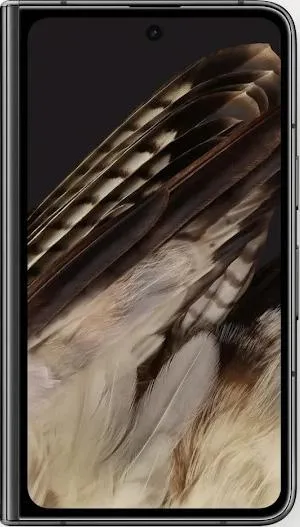
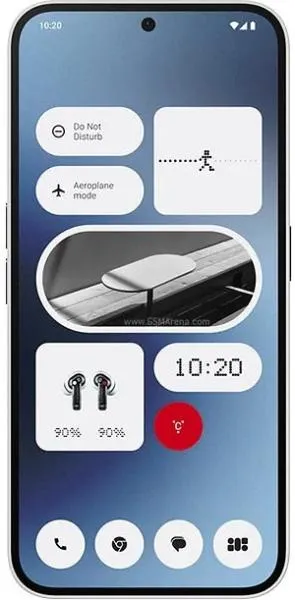
| Form Factor | Foldable | Slab | Pixel Fold offers greater versatility with its large inner screen for multitasking and media consumption, while Phone (2a) is more pocketable and traditional. |
| Dimensions (mm) | 139.7 x 158.7 x 5.8 | 161.7 x 76.3 x 8.6 | Folded, Pixel Fold is thicker but potentially shorter and narrower; unfolded, it's significantly larger. Phone (2a) is thinner and easier to handle one-handed. |
| Weight (g) | 283 | 190 | Pixel Fold is noticeably heavier, potentially impacting prolonged use comfort. Phone (2a) offers a more lightweight experience. |
| Display | |||
| Display Type | Foldable OLED | AMOLED | Pixel Fold's folding display offers a unique, expansive experience but with a crease. Phone (2a)'s traditional AMOLED provides a seamless, flat viewing area. |
| Size (inches) | 7.6 (unfolded), 5.8(folded) | 6.7 | Pixel Fold offers a tablet-like experience when unfolded, ideal for multitasking. Phone (2a) provides a large, immersive display for typical smartphone usage. |
| Resolution (px) | 1840 x 2208 | 1080 x 2412 | Pixel Fold boasts a higher resolution inner display, resulting in sharper text and images. Phone (2a)'s resolution is lower but still ample for its size. |
| Refresh Rate (Hz) | 120 | 120 | Both offer smooth scrolling and animations thanks to the high refresh rate. |
| Peak Brightness (nits) | 1450 | 1300 | Pixel Fold's slightly higher peak brightness may offer better outdoor visibility, but both are sufficiently bright. |
| Performance | |||
| Chipset | Google Tensor G2 | Mediatek Dimensity 7200 Pro | Tensor G2 is optimized for AI tasks and specific Google features. Dimensity 7200 Pro is generally a capable processor focused on efficiency and performance. |
| CPU | Octa-core (2x2.85 GHz...) | Octa-core (2x2.8 GHz...) | CPU architecture differences may lead to slight performance variations in specific tasks, but both should handle everyday usage well. Data is insufficient for in-depth comparison. |
| GPU | Mali-G710 MP7 | Mali-G610 MC4 | G710 generally offers better graphical performance for demanding games and applications. G610 is still capable but may show limitations in high-end scenarios. |
| RAM (GB) | 12 | 12 | Both offer ample RAM for smooth multitasking. |
| Camera | |||
| Main Camera (MP) | 48 | 50 | Both have high-resolution main cameras capable of capturing detailed images. Practical image quality depends on sensor size, processing, and other factors. |
| Camera Features | 5x Optical Zoom | No Telephoto, only 2x Digital Zoom | Pixel Fold's optical zoom provides superior image quality at longer ranges. Nothing Phone relies on digital zoom, which often results in lower quality. |
| Battery | |||
| Capacity (mAh) | 4821 | 5000 | Phone (2a)'s larger battery likely translates to longer battery life. However, Pixel Fold's larger display and folding mechanism might increase power consumption. |
2. Key Differences Analysis
Google Pixel Fold Advantages:
- Foldable Form Factor: Offers versatility and a larger screen for productivity and media consumption.
- Higher Resolution Display: Sharper visuals for text, images, and videos.
- Superior Zoom Capabilities: 5x Optical Zoom for clear long-range shots.
- Tensor G2 with AI Optimization: Specialized features and potential performance advantages in AI tasks.
Nothing Phone (2a) Advantages:
- Lighter and More Pocketable: Easier to handle and carry for extended periods.
- Longer Potential Battery Life: Larger battery capacity for extended usage.
- Lower Price: Offers good value for its specifications.
- More Color Options: Greater aesthetic choices for users.
3. User Profiles & Recommendations
Google Pixel Fold: Ideal for users who prioritize productivity, multitasking, and large-screen media consumption. Suitable for professionals, content creators, and those who value a unique, cutting-edge device.
Nothing Phone (2a): Ideal for users who prefer a traditional smartphone experience with a focus on portability, battery life, and value for money. Suitable for everyday users, students, and those seeking a reliable device without breaking the bank.
4. Decision Framework
Key Questions for Buyers:
- Form Factor Priority: Do you value the versatility of a foldable device or the portability of a traditional smartphone?
- Display Needs: Is a larger, higher-resolution display essential, or is a standard large display sufficient?
- Budget Constraints: How important is the price-to-performance ratio?
Scenario-Based Recommendations:
- Business Professional: Pixel Fold for multitasking, presentations, and on-the-go productivity.
- Casual User: Nothing Phone (2a) for everyday communication, social media, and entertainment.
- Photographer/Videographer: Pixel Fold for its superior zoom capabilities.
My Choice: Nothing Phone (2a)
While the Pixel Fold is a technological marvel, the Nothing Phone (2a) better suits my personal needs. I prioritize a lightweight, pocketable device with good battery life. The Phone (2a)'s lower price point and comparable performance in everyday tasks make it a more practical choice for me. I don't require the foldable functionality or the slightly higher resolution of the Pixel Fold. The significantly lower weight and larger battery capacity are more compelling factors in my decision. The lack of a true telephoto lens is a downside, but I am willing to compromise on that feature for the overall package offered by the Phone (2a). This decision highlights the importance of considering individual needs and priorities beyond raw specifications.
