1. Specifications Comparison
| Feature | Google Pixel Fold | Nothing Phone (2) | Practical Impact |
|---|---|---|---|
| Design | |||
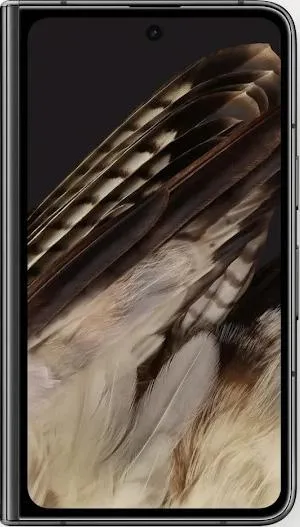
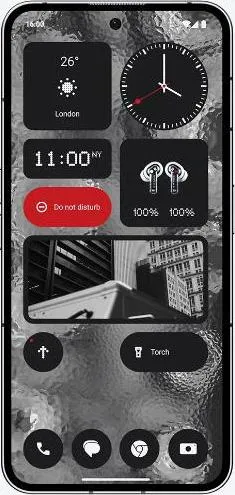
| Form Factor | Foldable | Slab | Pixel Fold offers greater versatility with its large inner screen for multitasking and media consumption, while Nothing Phone (2) prioritizes pocketability and one-handed use. |
| Dimensions (mm) | 139.7 x 158.7 x 5.8 (folded) | 162.1 x 76.4 x 8.6 | Pixel Fold is significantly wider when unfolded but thinner when folded. Nothing Phone (2) is taller and thicker overall. |
| Weight (g) | 283 | 201.2 | Pixel Fold is noticeably heavier, impacting portability. |
| Display | |||
| Display Type | Foldable OLED | LTPO OLED | Pixel Fold's folding display allows for a larger screen in a smaller form factor. Nothing Phone (2)'s LTPO panel enables more granular refresh rate control for improved battery efficiency. |
| Size (inches) | 7.6 (unfolded), 5.8 (cover) | 6.7 | Pixel Fold provides a tablet-like experience when unfolded. Nothing Phone (2) offers a large, but standard, smartphone screen size. |
| Resolution (pixels) | 2208 x 1840 (unfolded), 2092 x 1080 (cover) | 2412 x 1080 | Both offer sharp displays, but Pixel Fold's unfolded screen provides significantly more screen real estate. |
| Refresh Rate (Hz) | 120 | 120 | Both offer smooth scrolling and animations. |
| Peak Brightness (nits) | 1450 | 1600 | Nothing Phone (2) can achieve slightly higher peak brightness, potentially improving outdoor visibility. |
| Performance | |||
| Chipset | Google Tensor G2 (5 nm) | Snapdragon 8+ Gen 1 (4 nm) | Snapdragon 8+ Gen 1 generally benchmarks higher in raw performance, potentially offering smoother performance in demanding tasks and gaming. Tensor G2 excels in AI-powered tasks. |
| CPU | Octa-core (2x2.85 GHz Cortex-X1 & 2x2.35 GHz Cortex-A78 & 4x1.80 GHz Cortex-A55) | Octa-core (1x3.0 GHz Cortex-X2 & 3x2.5 GHz Cortex-A710 & 4x1.80 GHz Cortex-A510) | Both are powerful CPUs, but architectural differences and clock speeds give Snapdragon 8+ Gen 1 a performance edge. |
| GPU | Mali-G710 MP7 | Adreno 730 | Adreno 730 generally offers better gaming performance than Mali-G710 MP7. |
| RAM (GB) | 12 | 12 | Both offer ample RAM for multitasking. |
| Camera | |||
| Rear Camera | 48MP Main, 10.8MP Wide, 10.8MP Telephoto | 50MP Main, 50MP Wide | Pixel Fold boasts Google's renowned image processing for potentially superior photo quality. Nothing Phone (2) uses a newer sensor for the main camera (Sony IMX890). |
| Front Camera | 9.5MP (Outer), 8MP (Inner) | 32MP | Nothing Phone (2) boasts a higher resolution selfie camera. |
| Battery | |||
| Capacity (mAh) | 4821 | 4700 | Similar battery capacities. Real-world battery life will depend on usage patterns, especially screen usage on the Pixel Fold. |
2. Key Differences Analysis
Google Pixel Fold Advantages:
- Foldable Form Factor: The largest differentiator is the foldable screen, offering tablet functionality and enhanced multitasking.
- Superior Image Processing: Google's computational photography typically results in excellent image quality.
- Software Updates: Pixel phones receive timely and longer software updates compared to most Android phones.
Nothing Phone (2) Advantages:
- Potentially Higher Performance: Snapdragon 8+ Gen 1 generally offers faster processing and better gaming capabilities.
- Lighter and More Pocketable: Significantly lighter and more compact for easier one-handed use.
- Lower Price: Generally more affordable than the Pixel Fold.
3. User Profiles & Recommendations
Google Pixel Fold: Ideal for users who prioritize multitasking, media consumption on a larger screen, and value a unique form factor. Use cases: Reading ebooks, watching videos, using productivity apps side-by-side, mobile gaming on a larger display.
Nothing Phone (2): Ideal for users who prefer a traditional smartphone experience with excellent performance, a sleek design, and a more affordable price. Use cases: Everyday tasks, social media, gaming, photography.
4. Decision Framework
Key Questions:
- How important is a large screen and multitasking capability? If crucial, the Pixel Fold is the clear choice.
- What is your budget? The Nothing Phone (2) offers a more accessible price point.
- Do you prioritize raw performance or camera quality? Nothing Phone (2) potentially edges out in performance, while Pixel Fold generally excels in camera quality due to Google's image processing.
My Choice: Nothing Phone (2)
While the Pixel Fold's foldable screen is undeniably innovative, the Nothing Phone (2) better suits my needs and priorities. I value a lighter, more pocketable phone for everyday use. The Snapdragon 8+ Gen 1 provides ample performance for my needs, and the price is significantly more appealing. Although I appreciate Google's camera prowess, the Nothing Phone (2)'s camera system with the newer Sony IMX890 sensor is compelling enough. The longer software update commitment of the Pixel Fold is tempting, but not a deal breaker for me. Ultimately, the combination of performance, pocketability, and price makes the Nothing Phone (2) the more practical choice for me.
