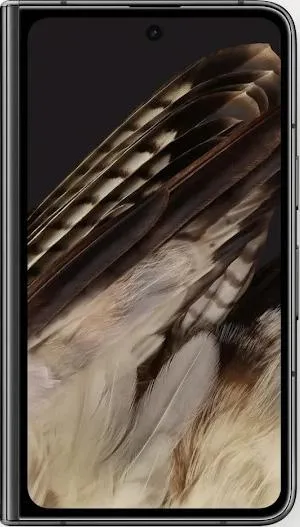
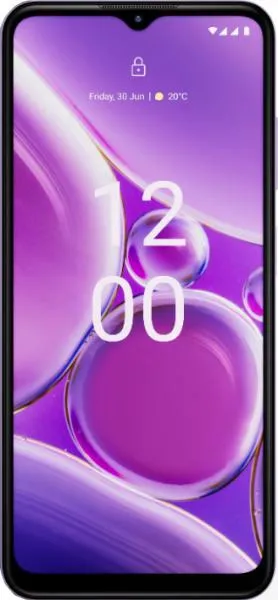
1. Specifications Comparison
| Feature | Google Pixel Fold | Nokia G42 | Practical Impact |
|---|---|---|---|
| Design | |||
| Dimensions (mm) | 139.7 x 158.7 x 5.8 (folded) | 165 x 75.8 x 8.6 | Pixel Fold is significantly wider when unfolded, more pocketable when folded. Nokia G42 is a standard candybar design. |
| Weight (g) | 283 | 193.8 | Pixel Fold is heavier, noticeable in extended use. Nokia G42 is lighter and easier to hold for long periods. |
| Foldable | Yes | No | Pixel Fold offers a larger inner screen for multitasking and media consumption. Nokia G42 has a traditional single screen. |
| Display | |||
| Display Type | Foldable OLED | IPS LCD | Pixel Fold delivers superior contrast, deeper blacks, and potentially brighter highlights. Nokia G42's LCD is less vibrant. |
| Size (inches) | 7.6 (unfolded), 5.8 (cover) | 6.56 | Pixel Fold offers a much larger unfolded screen for productivity and media. The cover screen provides quick access to notifications and essential tasks. Nokia G42 has a single, reasonably sized screen. |
| Resolution (px) | 1840 x 2208 (unfolded), 1080 x 2092 (cover) | 720 x 1612 | Pixel Fold boasts significantly sharper visuals on both displays. Nokia G42's resolution is lower, resulting in less detail. |
| Refresh Rate (Hz) | 120 | 90 | Pixel Fold offers smoother scrolling and animations. Nokia G42's 90Hz is still smooth but not as fluid as the Pixel Fold. |
| Performance | |||
| Chipset | Google Tensor G2 (5 nm) | Qualcomm Snapdragon 480+ 5G (8 nm) | Tensor G2 is a more powerful chipset, resulting in faster performance and better AI capabilities. Snapdragon 480+ is designed for efficiency. |
| CPU | Octa-core (2x2.85 GHz Cortex-X1 & 2x2.35 GHz Cortex-A78 & 4x1.80 GHz Cortex-A55) | Octa-core (2x2.2 GHz Kryo 460 & 6x1.8 GHz Kryo 460) | Pixel Fold's CPU offers significantly better performance in demanding tasks and multitasking. Nokia G42 handles everyday tasks but may struggle with intensive applications. |
| GPU | Mali-G710 MP7 | Adreno 619 | Pixel Fold's GPU provides superior graphics performance for gaming and visually demanding applications. Nokia G42 offers decent graphics for casual gaming. |
| RAM | 12 GB | 4/6 GB | Pixel Fold's 12GB RAM ensures smooth multitasking and app switching. Nokia G42's 4/6GB RAM is sufficient for basic usage but might show limitations with heavy multitasking. |
| Camera | |||
| Main Camera (MP) | 48 | 50 | Pixel Fold's camera system, while lower resolution, is likely to produce superior image quality due to Google's advanced image processing. Nokia G42's camera is capable but lacks the same level of computational photography. |
| Video Capabilities | Up to 4K@60fps with HDR | 1080p@30fps | Pixel Fold offers significantly better video recording capabilities with higher resolution and frame rates, as well as HDR support. Nokia G42's video recording is basic. |
| Battery | |||
| Capacity (mAh) | 4821 | 5000 | While the Nokia G42 has a slightly larger battery, the Pixel Fold's more efficient OLED display and Tensor G2 chip could potentially deliver comparable battery life. Real-world usage will vary. |
2. Key Differences Analysis
Google Pixel Fold Advantages:
- Superior Performance: The Tensor G2 chip and 12GB RAM offer a significant performance advantage for demanding tasks, multitasking, and gaming.
- High-Quality Display: The foldable OLED display provides vibrant colors, deep blacks, and a high refresh rate for a smooth and immersive viewing experience.
- Versatile Form Factor: The foldable design allows for both portability and a large screen for productivity and entertainment.
- Advanced Camera System: Google's computational photography expertise likely results in excellent image quality despite the lower megapixel count on the main sensor.
Nokia G42 Advantages:
- Lower Price: Significantly more affordable than the Pixel Fold.
- Lighter and More Compact (when comparing to the Pixel Fold's folded state): Easier to carry and hold for extended periods.
- Larger Battery Capacity: Potentially longer battery life for basic usage.
3. User Profiles & Recommendations
Google Pixel Fold: Ideal for users who value performance, a large and high-quality display, multitasking capabilities, and a premium mobile experience. Use cases include:
- Professionals: On-the-go productivity with the large unfolded screen.
- Content Creators: Editing photos and videos, creating presentations.
- Entertainment Enthusiasts: Watching movies, playing games, reading.
Nokia G42: Ideal for users who prioritize affordability, basic functionality, and long battery life. Use cases include:
- Budget-Conscious Consumers: Seeking a reliable smartphone without breaking the bank.
- Casual Users: Primarily using their phone for calling, texting, social media, and light browsing.
- Students: A functional device for communication and basic tasks.
4. Decision Framework
Key Questions for Buyers:
- What is your budget? The Pixel Fold is a premium device, while the Nokia G42 is budget-friendly.
- What are your primary use cases? Consider whether you need the performance and large screen of the Pixel Fold or the simplicity and affordability of the Nokia G42.
- How important is portability? While foldable, the Pixel Fold is heavier than the Nokia G42.
At the end, write what you would choose and explain why!
I would choose the Google Pixel Fold. While significantly more expensive, the foldable form factor, superior performance provided by the Tensor G2 chip, stunning display quality, and advanced camera capabilities are compelling. As someone who values productivity on the go and appreciates a premium mobile experience, the Pixel Fold's advantages outweigh the higher price and added weight. The ability to have a tablet-like experience in a pocketable device is a game-changer for my workflow and entertainment consumption. The Nokia G42 is a solid budget option, but it doesn't offer the same level of performance or features that I prioritize.
