1. Specifications Comparison
| Feature | Google Pixel Fold | Motorola Razr 50 | Practical Impact |
|---|---|---|---|
| Design | |||
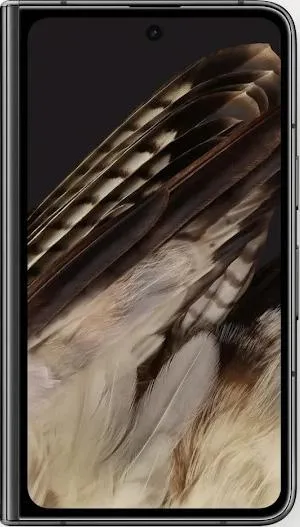
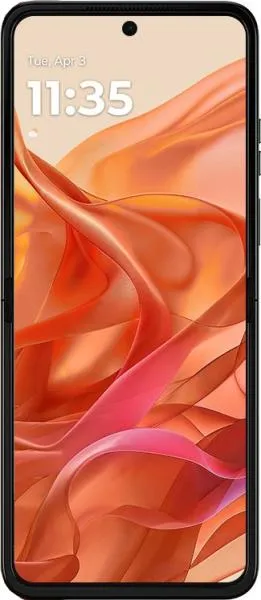
| Dimensions (mm) | 139.7 x 158.7 x 5.8 (unfolded) | 171.3 x 74 x 7.3 (folded) | Razr 50 is significantly taller and narrower when folded, making it potentially more pocketable but less comfortable for media consumption in its folded state. Pixel Fold is wider unfolded, offering a more tablet-like experience. |
| Weight (g) | 283 | 188.4 | Razr 50 is noticeably lighter, reducing hand fatigue during extended use. |
| Foldable | Yes | Yes | Both offer foldable screen technology, enabling versatile usage scenarios. |
| Display | |||
| Display Type | Foldable OLED | Foldable LTPO AMOLED | Both are high-quality displays. LTPO on the Razr 50 allows for dynamic refresh rate adjustment, potentially saving battery. |
| Size (inches) | 7.6 (main), 5.8 (cover) | 6.9 (main), 3.6 (cover) | Pixel Fold boasts larger main and cover displays, offering a more immersive experience for multitasking and media consumption. Razr 50's smaller external display may limit functionality. |
| Resolution (pixels) | 2208 x 1840 (main), 1080 x 2092 (cover) | 2640 x 1080 (main), 1056 x 1066 (cover) | Pixel Fold's higher resolution main display provides sharper visuals and more detailed content. The Razr 50's cover screen resolution is significantly lower, hindering usability. |
| Refresh Rate (Hz) | 120 | 120 | Both offer smooth scrolling and animations thanks to the 120Hz refresh rate. |
| Peak Brightness (nits) | 1450 | 3000 | Razr 50's significantly higher peak brightness ensures better outdoor visibility. |
| Performance | |||
| Chipset | Google Tensor G2 (5 nm) | Mediatek Dimensity 7300X (4 nm) | Performance differences likely negligible for average users. Tensor G2 may offer advantages in AI tasks. Dimensity 7300X, being newer, might have slight efficiency benefits due to the smaller process node. |
| CPU | Octa-core (2x2.85 GHz Cortex-X1 & 2x2.35 GHz Cortex-A78 & 4x1.80 GHz Cortex-A55) | Octa-core (4x2.5 GHz Cortex-A78 & 4x2.0 GHz Cortex-A55) | Both are powerful CPUs, but the Tensor G2's higher clocked cores may offer a slight edge in demanding tasks. |
| GPU | Mali-G710 MP7 | Mali-G615 MC2 | G710 MP7 generally offers better graphical performance, beneficial for gaming and other graphically intensive tasks. |
| RAM (GB) | 12 | 8/12 (depending on version) | 12GB RAM on Pixel Fold enables smoother multitasking and better performance with memory-intensive applications. |
| Camera | |||
| Main Camera (MP) | 48 | 50 | Megapixel count alone doesn't determine image quality. |
| Other Cameras | Wide, Telephoto | Wide | Pixel Fold offers more versatile camera options with a dedicated telephoto lens. |
| Video Capabilities | Up to 4K@60fps with HDR | Up to 4K@30fps with EIS | Pixel Fold supports higher resolution and frame rate video recording with HDR. |
| Battery | |||
| Capacity (mAh) | 4821 | 4200 | Pixel Fold has a larger battery, potentially offering longer usage time. However, real-world battery life depends on various factors. |
2. Key Differences Analysis
Google Pixel Fold Advantages:
- Larger, Higher Resolution Displays: Superior multimedia consumption and multitasking experience.
- More Versatile Camera System: Telephoto lens provides optical zoom capabilities.
- Larger Battery: Potentially longer battery life.
- More Powerful GPU: Better gaming and graphics performance.
- Higher Resolution External Display: More usable external display for quick interactions.
Motorola Razr 50 Advantages:
- Lighter and More Compact: Increased portability and reduced hand fatigue.
- Brighter Display: Better outdoor visibility.
- Potentially More Efficient Chipset: Might translate to slightly improved battery life in certain scenarios.
- Lower Price: Offers similar core functionality at a potentially lower price point.
3. User Profiles & Recommendations
Google Pixel Fold: Ideal for users who prioritize a large, high-quality display for productivity and media consumption, a versatile camera system, and don't mind the added weight and bulk. Use cases: Multitasking, media editing, gaming, photography.
Motorola Razr 50: Ideal for users who value portability and a lightweight design above all else, and prioritize a bright display for outdoor use. Use Cases: Casual social media browsing, communication, light productivity on the go.
4. Decision Framework
Key Questions for Buyers:
- How important is screen size and resolution? Prioritize Pixel Fold for larger screen and higher resolution.
- What is your budget? Razr 50 provides a more affordable foldable experience.
- Do you prioritize portability over functionality? Choose Razr 50 if lightness and pocketability are paramount.
Scenario-Based Recommendations:
- Frequent Traveler: Razr 50's compact size and lighter weight might be preferable.
- Content Creator: Pixel Fold's larger displays, powerful performance, and versatile camera system offer distinct advantages.
- Budget-Conscious User: Razr 50 offers a lower price point for a foldable experience.
My Choice: Google Pixel Fold
While the Motorola Razr 50 offers compelling advantages in portability and price, the Google Pixel Fold better suits my needs. I prioritize a larger, high-resolution display for both productivity and entertainment. The Pixel Fold's superior camera system, including the telephoto lens, is essential for capturing high-quality photos and videos. The more powerful GPU also ensures smooth performance for demanding tasks and games. Although heavier, the Pixel Fold's wider unfolded form factor provides a more comfortable tablet-like experience, which I value greatly. The significantly better external display also enhances usability when the phone is folded. While price is a factor, the overall user experience offered by the Pixel Fold justifies the premium for my specific needs.
