1. Specifications Comparison
| Feature | Google Pixel Fold | Motorola Moto G Stylus 5G (2024) | Practical Impact |
|---|---|---|---|
| Design | |||
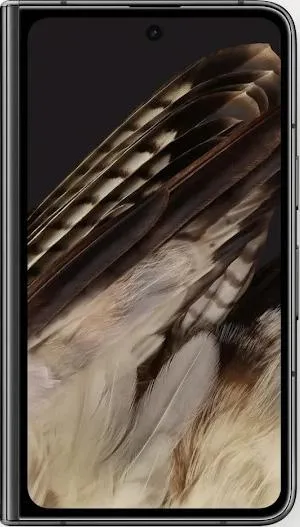
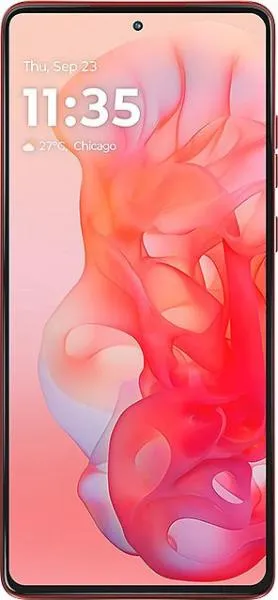
| Form Factor | Foldable | Standard | Pixel Fold offers greater portability when folded and a larger screen when unfolded. Moto G Stylus offers a traditional smartphone experience with a built-in stylus. |
| Dimensions (mm) | 139.7 x 158.7 x 5.8 (unfolded) | 162.6 x 74.8 x 8.3 | Pixel Fold is significantly wider unfolded but thinner overall. Moto G Stylus is taller and thicker. |
| Weight (g) | 283 | 190 | Pixel Fold is noticeably heavier, impacting one-handed use. |
| Display | |||
| Display Type | Foldable OLED | P-OLED | Pixel Fold's folding display offers versatility. Moto G Stylus's P-OLED likely provides good color accuracy and power efficiency. |
| Display Size (inches) | 7.6 (unfolded), 5.8 (cover) | 6.7 | Pixel Fold provides a significantly larger main display for multitasking and media consumption. |
| Resolution (pixels) | 1840 x 2208 (unfolded), 1080 x 2092 (cover) | 1080 x 2400 | Pixel Fold's unfolded display offers higher resolution and sharpness. |
| Refresh Rate (Hz) | 120 | 120 | Both phones offer smooth scrolling and animations thanks to the 120Hz refresh rate. |
| Peak Brightness (nits) | 1450 | 1200 | Pixel Fold can get brighter, improving outdoor visibility. |
| Performance | |||
| Chipset | Google Tensor G2 (5 nm) | Qualcomm Snapdragon 6 Gen 1 (4 nm) | Tensor G2 is generally more powerful, especially in AI tasks. Snapdragon 6 Gen 1 offers good mid-range performance. |
| CPU | Octa-core (2x2.85 GHz Cortex-X1 & 2x2.35 GHz Cortex-A78 & 4x1.80 GHz Cortex-A55) | Octa-core (4x2.2 GHz Cortex-A78 & 4x1.8 GHz Cortex-A55) | Pixel Fold's CPU has higher clock speeds and a more powerful core configuration, leading to faster performance. |
| GPU | Mali-G710 MP7 | Adreno 710 | Both GPUs provide decent gaming performance, but Mali-G710 MP7 is expected to be slightly more powerful. |
| RAM (GB) | 12 | 8 | Pixel Fold offers more RAM for smoother multitasking and app switching. |
| Camera | |||
| Main Camera (MP) | 48 | 50 | Resolution doesn't solely determine image quality. Pixel's computational photography and Tensor G2 processing likely give it an edge despite lower resolution. |
| Ultrawide (MP) | 10.8 | 13 + Macro | Moto G Stylus offers a dedicated macro lens, while the Pixel Fold's ultrawide has a higher resolution. |
| Telephoto (MP) | 10.8 | None | Pixel Fold offers optical zoom capabilities, absent in the Moto G Stylus. |
| Battery | |||
| Capacity (mAh) | 4821 | 5000 | Moto G Stylus has a slightly larger battery capacity. Real-world battery life depends on usage and optimization. |
| Charging Speed | Not specified for either phone | Not specified for either phone | Cannot compare charging speeds without specific data. |
2. Key Differences Analysis
Google Pixel Fold Advantages:
- Foldable Design: Offers a larger screen for productivity and media consumption when needed, while remaining pocketable when folded.
- More Powerful Performance: Tensor G2 and 12GB RAM provide a smoother and faster user experience, especially for demanding tasks.
- Superior Camera System: Likely better image quality due to Google's computational photography algorithms and Tensor G2 processing. Offers optical zoom, lacking in the Moto G Stylus.
Motorola Moto G Stylus 5G (2024) Advantages:
- Lower Price: Significantly more affordable than the Pixel Fold.
- Larger Battery Capacity: Potentially longer battery life.
- Built-in Stylus: Useful for note-taking, drawing, and precise screen interaction.
- Lighter Weight: More comfortable for extended one-handed use.
Trade-offs:
- Pixel Fold: Higher price, heavier weight, potentially shorter battery life compared to Moto G Stylus.
- Moto G Stylus: Less powerful performance, less versatile camera system, lacks the foldable form factor's flexibility.
3. User Profiles & Recommendations
Google Pixel Fold: Ideal for users who prioritize a large screen for productivity and media consumption, value a powerful and smooth user experience, and are willing to pay a premium for the foldable form factor. Use cases: multitasking, content creation, mobile gaming, watching videos.
Motorola Moto G Stylus 5G (2024): Ideal for budget-conscious users who want a reliable smartphone with a large display, stylus functionality for note-taking and drawing, and long battery life. Use cases: students, artists, casual users, those seeking an affordable 5G phone.
4. Decision Framework
Key Questions for Buyers:
- What is your budget? The Pixel Fold is significantly more expensive.
- How important is a foldable screen? Do you need the larger screen space and portability of a foldable device?
- What are your primary use cases? Consider whether you prioritize performance, camera quality, battery life, or stylus functionality.
Scenario-Based Recommendations:
- Power User/Content Creator: Pixel Fold
- Student/Note-Taker: Moto G Stylus 5G
- Budget-Conscious User: Moto G Stylus 5G
My Choice: Google Pixel Fold
While the price difference is significant, I would choose the Google Pixel Fold. The foldable form factor provides a unique combination of portability and productivity that I find highly appealing. The superior performance of the Tensor G2, combined with the expected excellent camera quality and the larger, higher-resolution display, outweigh the higher price and heavier weight for my personal needs. I prioritize having a powerful device for multitasking, content creation, and entertainment, and the Pixel Fold best fits that profile. The Moto G Stylus 5G is a great value proposition, but the Pixel Fold's unique features and performance advantages align better with my usage patterns.
