1. Specifications Comparison
| Feature | Google Pixel Fold | Motorola Edge 50 Pro | Practical Impact |
|---|---|---|---|
| Design | |||
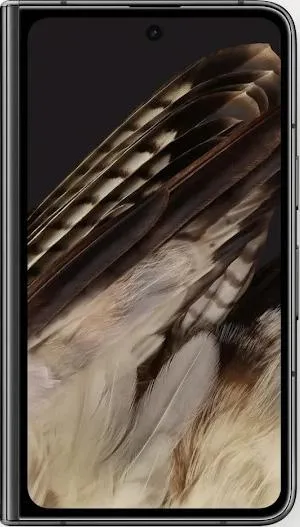
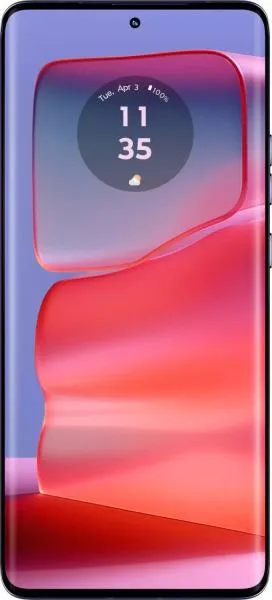
| Form Factor | Foldable | Standard | Pixel Fold offers greater versatility with its folding screen, transforming from a phone to a small tablet. Edge 50 Pro is a traditional slab phone. |
| Dimensions (mm) | 139.7 x 158.7 x 5.8 (folded) | 161.2 x 72.4 x 8.2 | Folded, the Pixel Fold is wider but significantly shorter and thinner than the Edge 50 Pro. Unfolded, it's much larger. Edge 50 Pro is more pocketable in its standard form. |
| Weight (g) | 283 | 186 | Pixel Fold is noticeably heavier, impacting one-handed use and portability. |
| Display | |||
| Display Type | Foldable OLED | P-OLED | Pixel Fold's folding OLED allows for a larger inner display for multitasking and media consumption. Edge 50 Pro's P-OLED offers vibrant colors and deep blacks in a traditional format. |
| Size (inches) | 7.6 (unfolded), 5.8 (cover) | 6.7 | Pixel Fold's unfolded screen provides a tablet-like experience. Edge 50 Pro's screen is large for a standard phone but smaller than the Pixel's unfolded display. |
| Resolution (px) | 2208 x 1840 (unfolded), 2092 x 1080 (cover) | 2712 x 1220 | Both offer high resolution, but Pixel Fold's larger unfolded display provides more screen real estate for productivity. |
| Refresh Rate (Hz) | 120 | 144 | Edge 50 Pro's higher refresh rate delivers smoother animations and scrolling, especially noticeable in gaming and fast-paced content. |
| Peak Brightness (nits) | 1450 | 2000 | Edge 50 Pro's significantly higher peak brightness ensures better visibility in direct sunlight. |
| Performance | |||
| Chipset | Google Tensor G2 (5 nm) | Snapdragon 7 Gen 3 (4 nm) | While both are powerful, benchmarks suggest Snapdragon 7 Gen 3 might offer slightly better performance in some areas. Tensor G2 excels in AI tasks and on-device processing. |
| CPU | Octa-core (2x2.85 GHz Cortex-X1 & 2x2.35 GHz Cortex-A78 & 4x1.80 GHz Cortex-A55) | Octa-core (1x2.63 GHz Cortex-A715 & 4x2.4 GHz Cortex-A715 & 3x1.8 GHz Cortex-A510) | Specific performance differences require real-world testing. |
| GPU | Mali-G710 MP7 | Adreno 720 | Gaming performance differences require real-world testing, but Adreno GPUs generally have a strong reputation for gaming. |
| RAM (GB) | 12 | 12 | Both offer ample RAM for multitasking. |
| Camera | |||
| Main Camera (MP) | 48 | 50 | Resolution difference is minimal. Image quality depends on sensor size, processing, and other factors not fully detailed here. |
| Ultrawide (MP) | 10.8 | 13 | Minor difference in resolution. Practical impact depends on lens quality and field of view, which are not fully specified. |
| Telephoto (MP) | 10.8 | 10 | Edge 50 Pro boasts 3x optical zoom compared to Pixel Fold's 5x, but practical image quality at zoomed levels requires further comparison. |
| Selfie (MP) | 8 (inner), 9.5 (outer) | 50 | Edge 50 Pro has a much higher resolution selfie camera. Pixel Fold offers two selfie options due to the foldable design. |
| Battery | |||
| Capacity (mAh) | 4821 | 4500 | Pixel Fold has a slightly larger battery, but real-world battery life depends heavily on usage patterns and software optimization. Foldable displays often consume more power. |
2. Key Differences Analysis
Google Pixel Fold Advantages:
- Foldable Form Factor: The unique selling proposition. Offers a larger screen for multitasking, media consumption, and unique software experiences.
- Tensor G2 with AI Capabilities: Excels in AI-powered features like language processing, photography enhancements, and on-device learning.
Motorola Edge 50 Pro Advantages:
- Higher Refresh Rate Display: Smoother visuals for gaming and everyday use.
- Brighter Display: Better outdoor visibility.
- Potentially Stronger GPU: May offer advantages in gaming performance.
- Lighter and More Pocketable: Easier to carry and use with one hand.
- More Affordable: Generally priced lower than the Pixel Fold.
3. User Profiles & Recommendations
Google Pixel Fold: Ideal for users who prioritize a large screen for productivity and entertainment on the go, value a unique and innovative device, and heavily utilize Google's ecosystem and AI features. Use cases include multitasking, media consumption, reading, and creative tasks.
Motorola Edge 50 Pro: Suitable for users who prefer a traditional smartphone experience with a focus on performance, display quality, and affordability. Excellent for gaming, media consumption, and general everyday use.
4. Decision Framework
Key Questions for Buyers:
- Form Factor Preference: Do you prioritize the versatility of a foldable device or the familiarity and pocketability of a traditional smartphone?
- Display Needs: Is a larger screen for multitasking and media consumption crucial, or is a high refresh rate and brightness more important?
- Budget: Is the premium price of the Pixel Fold justified by its unique features, or is the more affordable Edge 50 Pro a better value proposition?
My Choice: Motorola Edge 50 Pro
While the Pixel Fold is innovative, the Motorola Edge 50 Pro better suits my needs and priorities. I value a smooth and bright display, strong performance, and a comfortable in-hand feel. The Edge 50 Pro delivers these aspects at a more appealing price point. While the foldable form factor is intriguing, I don't currently need the extra screen real estate enough to justify the added cost and weight. The 144Hz refresh rate and brighter display of the Edge 50 Pro would provide a tangible improvement in my daily usage. Additionally, the potential performance advantage of the Snapdragon 7 Gen 3, specifically for gaming, is appealing. Ultimately, the Edge 50 Pro offers a compelling combination of performance, display quality, and value that aligns better with my personal preferences.
