1. Specifications Comparison
| Feature | Google Pixel Fold | Motorola Edge 50 Neo | Practical Impact |
|---|---|---|---|
| Design | |||
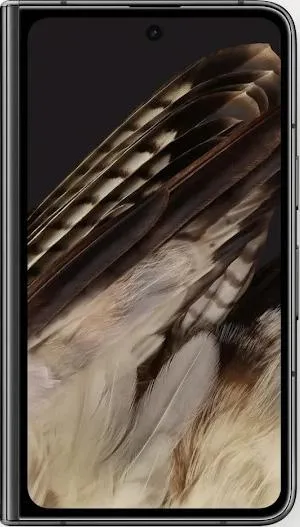
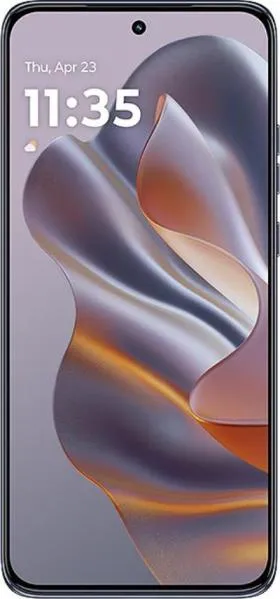
| Form Factor | Foldable | Standard | Pixel Fold offers greater versatility with its large foldable inner display for multitasking and media consumption, while the Edge 50 Neo is more pocketable and traditional. |
| Dimensions (mm) | 139.7 x 158.7 x 5.8 (unfolded) | 154.1 x 71.2 x 8.1 | Pixel Fold is wider and thicker when unfolded but significantly thinner when folded. Edge 50 Neo is more manageable for one-handed use. |
| Weight (g) | 283 | 171 | Pixel Fold's weight reflects its robust build and larger display; it might feel heavy for extended use. Edge 50 Neo is significantly lighter. |
| Display | |||
| Display Type | Foldable OLED | pOLED | Pixel Fold's folding OLED enables a tablet-like experience, while Edge 50 Neo's pOLED delivers vibrant colors and deep blacks in a traditional form factor. |
| Display Size (inches) | 7.6 (unfolded), 5.8 (cover) | 6.4 | Pixel Fold's larger unfolded display excels for productivity and media. Edge 50 Neo provides a spacious screen for a standard smartphone. |
| Resolution (px) | 2208 x 1840 (unfolded), 1080 x 2092 (cover) | 1256 x 2760 | Both offer sharp displays; Pixel Fold's higher resolution on the unfolded screen provides more detail for multitasking. |
| Refresh Rate (Hz) | 120 | 120 | Both displays offer smooth scrolling and animations thanks to the 120Hz refresh rate. |
| Peak Brightness (nits) | 1450 | 3000 | Edge 50 Neo's significantly higher peak brightness ensures better outdoor visibility. |
| Performance | |||
| Chipset | Google Tensor G2 (5 nm) | MediaTek Dimensity 7300 (4 nm) | Performance differences likely negligible for average users. Tensor G2 may offer advantages in AI tasks. Dimensity 7300's 4nm process could mean slightly better efficiency. |
| CPU | Octa-core (2x2.85 GHz Cortex-X1 & 2x2.35 GHz Cortex-A78 & 4x1.80 GHz Cortex-A55) | Octa-core (4x2.5 GHz Cortex-A78 & 4x2.0 GHz Cortex-A55) | Both offer powerful CPUs; specific benchmarks are needed for definitive comparison. |
| GPU | Mali-G710 MP7 | Mali-G615 MC2 | G710 MP7 generally offers better gaming performance than G615 MC2. |
| RAM | 12GB | 8/12GB | 12GB RAM on Pixel Fold ensures smooth multitasking, even with demanding apps. Edge 50 Neo offers 8GB or 12GB, the latter providing similar performance capabilities. |
| Camera | |||
| Main Camera (MP) | 48 | 50 | Megapixel count doesn't tell the whole story; image quality depends on sensor size, processing, and other factors. |
| DXOMARK Score | 133 | 115 | Pixel Fold scores significantly higher, indicating superior overall camera performance, especially in challenging conditions. |
| Battery | |||
| Capacity (mAh) | 4821 | 4310 | Pixel Fold's larger battery should provide longer usage time, especially when utilizing the large unfolded display. |
| USB Version | 3.2 | 2.0 | Pixel Fold's USB 3.2 offers significantly faster data transfer speeds compared to Edge 50 Neo's USB 2.0. |
2. Key Differences Analysis
Google Pixel Fold Advantages:
- Foldable Design: Offers a unique user experience with a tablet-sized inner display for multitasking and media consumption.
- Superior Camera: Higher DXOMARK score suggests better image quality across various scenarios.
- Larger Battery: Potentially longer battery life.
- Faster Data Transfer: USB 3.2 significantly speeds up file transfers.
Motorola Edge 50 Neo Advantages:
- Lighter and More Pocketable: Easier to carry and use one-handed.
- Brighter Display: Better visibility in direct sunlight.
- More Affordable: Generally lower price point for similar storage configurations.
Trade-offs:
- Pixel Fold: Higher price, heavier and bulkier, lower peak brightness.
- Edge 50 Neo: Less versatile form factor, lower camera performance, slower data transfer speeds.
3. User Profiles & Recommendations
Google Pixel Fold: Ideal for users who value productivity, multitasking, large screen media consumption, and a premium camera experience. Use cases include: on-the-go work, immersive gaming, media editing, and content creation.
Motorola Edge 50 Neo: Suitable for users who prioritize affordability, pocketability, and a bright display for outdoor use. Use cases include: everyday communication, social media, web browsing, and casual gaming.
4. Decision Framework
Key Questions for Buyers:
- How important is portability versus screen real estate?
- Is a foldable design a priority or a novelty?
- What is your budget and how much are you willing to spend on premium features like a top-tier camera?
Scenario-Based Recommendations:
- Business professional needing a portable productivity powerhouse: Pixel Fold
- Casual user seeking a reliable and affordable smartphone: Edge 50 Neo
- Content creator who values a large screen and excellent camera: Pixel Fold
- User who primarily uses their phone outdoors: Edge 50 Neo
My Choice: Google Pixel Fold
While the Motorola Edge 50 Neo offers a compelling price-to-performance ratio, I would choose the Google Pixel Fold. The foldable form factor is a game-changer for productivity and media consumption, allowing me to seamlessly switch between phone and tablet modes. The superior camera performance, as evidenced by the DXOMARK score, is crucial for capturing high-quality photos and videos. The larger battery capacity also aligns with my need for extended usage without frequent charging. While the higher price and added bulk are considerations, the unique versatility and premium features of the Pixel Fold outweigh these drawbacks for my personal needs and usage patterns. The faster data transfer speeds are also a significant advantage for my workflow. The brighter screen of the Edge 50 Neo is tempting, but the overall package of the Pixel Fold makes it the more compelling choice for me.
