1. Specifications Comparison
| Feature | Google Pixel Fold | Motorola Edge 50 Fusion | Practical Impact |
|---|---|---|---|
| Design | |||
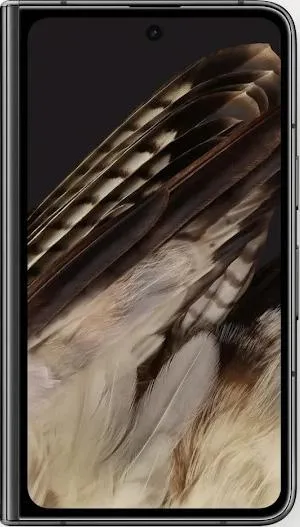
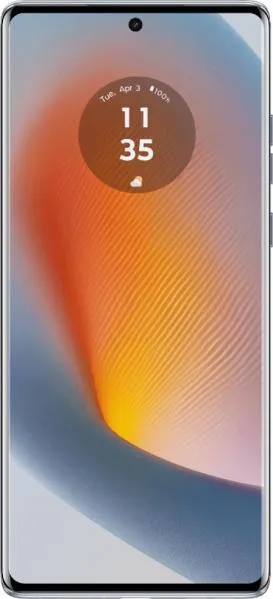
| Form Factor | Foldable | Standard Slab | Pixel Fold offers versatility with its large foldable inner display for multitasking and media consumption, while Edge 50 Fusion prioritizes pocketability and one-handed use. |
| Dimensions (mm) | 139.7 x 158.7 x 5.8 (folded) | 161.9 x 73.1 x 7.9 | Folded, the Pixel Fold is wider but significantly thinner than the Edge 50 Fusion. Unfolded, it's much larger. The Edge 50 Fusion is more pocketable for everyday carry. |
| Weight (g) | 283 | 174.9 | Pixel Fold is noticeably heavier, potentially impacting comfort during extended use. |
| Display | |||
| Display Type | Foldable OLED | P-OLED | Pixel Fold's folding OLED allows for a larger screen real estate when unfolded, transforming into a tablet-like experience. Edge 50 Fusion offers a vibrant P-OLED with potentially higher peak brightness. |
| Display Size (inches) | 7.6 (unfolded), 5.8 (cover) | 6.7 | Pixel Fold's larger unfolded display provides a more immersive experience for media and multitasking. The Edge 50 Fusion's display size is typical for a modern smartphone. |
| Refresh Rate (Hz) | 120 | 120/144 (region dependent) | Both offer smooth scrolling and animations. The Edge 50 Fusion might have a slight edge in some regions with its 144Hz refresh rate. |
| Resolution | 1840 x 2208 (unfolded), 1080 x 2092 (cover) | 1080 x 2400 | Pixel Fold boasts higher resolution, especially when unfolded, resulting in sharper text and images. |
| Performance | |||
| Chipset | Google Tensor G2 (5 nm) | Snapdragon 7s Gen 2 (4 nm) | Tensor G2 is optimized for AI tasks and computational photography. Snapdragon 7s Gen 2 offers generally good performance for everyday use. |
| CPU | Octa-core (2x2.85 GHz Cortex-X1 & 2x2.35 GHz Cortex-A78 & 4x1.80 GHz Cortex-A55) | Octa-core (4x2.40 GHz Cortex-A78 & 4x1.95 GHz Cortex-A55) | Tensor G2's core configuration suggests a higher potential for peak performance. However, real-world performance depends on optimization. |
| RAM | 12GB | 8GB | More RAM in the Pixel Fold enables better multitasking and app switching, minimizing performance slowdowns. |
| Camera | |||
| Main Camera | 48MP | 50MP | Pixel Fold leverages Google's computational photography expertise, potentially delivering superior image quality despite lower resolution. Edge 50 Fusion has a higher resolution sensor. |
| Ultrawide | 10.8MP | 13MP | Edge 50 Fusion has a higher resolution ultrawide. Practical differences in image quality depend on lens quality and software processing. |
| Telephoto | 10.8MP (5x optical zoom) | None | Pixel Fold offers optical zoom for better quality zoomed images, a significant advantage over digital zoom. |
| Battery | |||
| Capacity (mAh) | 4821 | 5000 | Edge 50 Fusion has a slightly larger battery capacity, but real-world battery life depends on various factors like display size and software optimization. |
2. Key Differences Analysis
Google Pixel Fold Advantages:
- Foldable Design: Offers a larger inner display for enhanced productivity and media consumption.
- Superior Camera System: Leveraging Google's computational photography, likely to deliver better image quality, especially in challenging conditions. 5x Optical zoom is a significant advantage.
- More RAM: Enables smoother multitasking and better performance with demanding applications.
Motorola Edge 50 Fusion Advantages:
- Lighter and More Pocketable: More comfortable for everyday carry and one-handed use.
- Potentially Longer Battery Life: Slightly larger battery capacity, although real-world usage will vary.
- Lower Price: Generally more affordable than the Pixel Fold.
3. User Profiles & Recommendations
Google Pixel Fold: Ideal for users who value productivity on the go, enjoy a large screen for media consumption, prioritize camera quality, and are willing to pay a premium for a foldable device. Use cases: Multitasking, media consumption, photography, content creation.
Motorola Edge 50 Fusion: Suited for users who prioritize portability, affordability, and a good overall smartphone experience without needing a foldable design. Use cases: Everyday communication, social media, web browsing, casual gaming.
4. Decision Framework
Key Questions for Buyers:
- How important is portability versus screen real estate?
- Is a foldable design a must-have feature?
- What is your budget and how much are you willing to spend on a smartphone?
Scenario-Based Recommendations:
- For a business professional who needs to multitask and review documents on the go: Pixel Fold is the better choice due to its larger foldable display and superior performance.
- For a casual user who primarily uses social media, messaging, and browsing: Edge 50 Fusion provides a good balance of features and affordability.
- For a photography enthusiast: The Pixel Fold, with its computational photography and 5x optical zoom, is the preferred option.
My Choice: Google Pixel Fold
While the Motorola Edge 50 Fusion is a solid device, I would choose the Google Pixel Fold. The foldable design is a game-changer for productivity and media consumption. The larger inner display provides a tablet-like experience, making multitasking significantly easier and more enjoyable. Additionally, Google's computational photography expertise, combined with the 5x optical zoom, makes the Pixel Fold a clear winner in the camera department. I am willing to accept the trade-offs of higher price and increased weight for the unique advantages offered by the foldable form factor and superior camera system. The 12GB of RAM also ensures smooth performance even with demanding tasks. The Edge 50 Fusion is a good value phone, but the Pixel Fold offers a truly innovative and premium mobile experience.
