1. Specifications Comparison
| Feature | Google Pixel Fold | Motorola Edge 40 Neo | Practical Impact |
|---|---|---|---|
| Design | |||
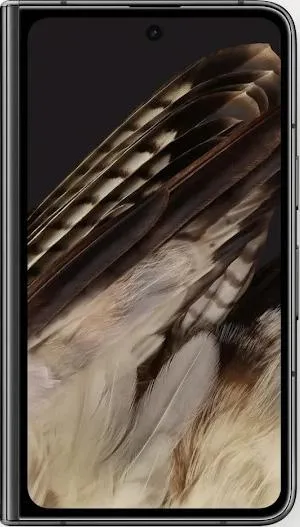
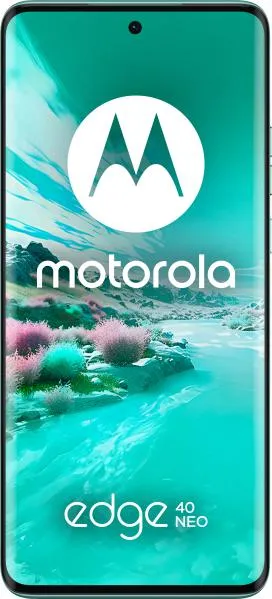
| Form Factor | Foldable | Standard | Pixel Fold offers greater versatility with its large inner display for multitasking and media consumption, while Edge 40 Neo is more pocketable and lighter for everyday use. |
| Dimensions (mm) | 139.7 x 158.7 x 5.8 (unfolded) 139.7 x 79.8 x 12.1 (folded) | 159.6 x 72 x 7.9 | Pixel Fold is thicker and wider when unfolded but significantly smaller when folded. Edge 40 Neo offers a slimmer and more traditional smartphone profile. |
| Weight (g) | 283 | 170 | The Pixel Fold's weight might be noticeable during extended use compared to the significantly lighter Edge 40 Neo. |
| Display | |||
| Display Type | Foldable OLED | P-OLED | Foldable OLED allows for a larger screen in a compact device. P-OLED provides excellent color accuracy and contrast. |
| Display Size (inches) | 7.6 (inner), 5.8 (outer) | 6.55 | Pixel Fold offers a significantly larger main display for immersive experiences, while the Edge 40 Neo's screen is suitable for most tasks. |
| Refresh Rate (Hz) | 120 | 144 | Edge 40 Neo's higher refresh rate results in smoother animations and scrolling, especially noticeable in games and fast-paced content. |
| Peak Brightness (nits) | 1450 | 1300 | Pixel Fold's higher peak brightness ensures better visibility in direct sunlight. |
| Performance | |||
| Chipset | Google Tensor G2 (5 nm) | MediaTek Dimensity 7030 (6 nm) | Tensor G2 is optimized for AI and machine learning tasks, potentially offering better performance in specific applications. Dimensity 7030 focuses on balanced performance and efficiency. |
| CPU | Octa-core (2x2.85 GHz Cortex-X1 & 2x2.35 GHz Cortex-A78 & 4x1.80 GHz Cortex-A55) | Octa-core (2x2.5 GHz Cortex-A78 & 6x2.0 GHz Cortex-A55) | Tensor G2 likely offers a performance advantage in demanding tasks due to its higher clock speeds and core configuration. |
| GPU | Mali-G710 MP7 | Mali-G610 MC3 | Mali-G710 MP7 offers superior graphics performance compared to the Mali-G610 MC3, benefiting gaming and graphically intensive applications. |
| RAM (GB) | 12 | 12 | Both phones have ample RAM for multitasking. |
| Camera | |||
| Rear Camera | 48MP Main, 10.8MP Wide, 10.8MP Telephoto | 50MP Main, 13MP Wide+Macro | Pixel Fold boasts a more versatile camera system with a dedicated telephoto lens. Edge 40 Neo uses a higher resolution main sensor and combines wide and macro into one lens. |
| DxOMark Score | 133 | 103 | Pixel Fold scores significantly higher, indicating superior overall camera quality according to DxOMark's testing. |
| Battery | |||
| Capacity (mAh) | 4821 | 5000 | Edge 40 Neo has a slightly larger battery capacity, potentially offering longer battery life. However, real-world usage will vary significantly due to the Pixel Fold's two displays and differing power consumption profiles. |
| Other | |||
| OS | Android 13 | Android 13 | Both run the latest Android version, offering similar software features out-of-the-box. Pixel Fold is likely to receive faster and longer software updates directly from Google. |
| Price Range | Medium | Medium | Both phones fall within the same price range, but specific pricing should be compared based on storage configuration and region. |
2. Key Differences Analysis
Google Pixel Fold Advantages:
- Foldable Design: Offers a larger screen real estate for multitasking and media consumption.
- Superior Camera System: DxOMark score indicates significantly better image and video quality.
- Faster Software Updates: Directly from Google, ensuring quicker access to new features and security patches.
- More Powerful GPU: Better gaming and graphics performance.
Motorola Edge 40 Neo Advantages:
- Lighter and More Pocketable: Easier to carry and use for extended periods.
- Higher Refresh Rate Display: Smoother animations and scrolling experience.
- Larger Battery Capacity: Potential for longer battery life (real-world usage may vary).
- Lower Price: While both are mid-range, the Edge 40 Neo is generally more affordable.
3. User Profiles & Recommendations
Google Pixel Fold: Ideal for users who prioritize a large screen for productivity, media consumption, and multitasking, and value a top-tier camera system. Suitable for professionals, content creators, and power users.
Motorola Edge 40 Neo: Ideal for users who prefer a lightweight and affordable phone with a smooth display and long battery life. Suitable for everyday users, students, and budget-conscious buyers.
4. Decision Framework
Key Questions for Buyers:
- How important is a foldable design? Are you willing to compromise on portability and potentially battery life for the larger screen real estate?
- What is your budget? While both are mid-range, the Edge 40 Neo offers better value for money in terms of raw specifications.
- What are your primary use cases? Do you prioritize productivity, media consumption, and camera quality, or are you looking for a reliable phone for everyday tasks with a smooth display and long battery life?
My Choice: Google Pixel Fold
While the Motorola Edge 40 Neo offers compelling features for its price, I would choose the Google Pixel Fold. The foldable form factor significantly enhances productivity and media consumption, providing a tablet-like experience in a pocketable device. The superior camera system is crucial for capturing high-quality photos and videos, and the promise of faster software updates ensures a longer-lasting and feature-rich experience. While the weight and battery life might be minor drawbacks, the unique advantages of the foldable design and the overall performance of the Pixel Fold outweigh these compromises for me. I prioritize the versatility and premium experience offered by the Pixel Fold, even with the higher price tag. The ability to switch between a phone-sized and tablet-sized screen, combined with Google's software optimization and camera prowess, makes it a more compelling device for my needs.
