1. Specifications Comparison
| Feature | Google Pixel Fold | Huawei Pura 70 | Practical Impact |
|---|---|---|---|
| Design | |||
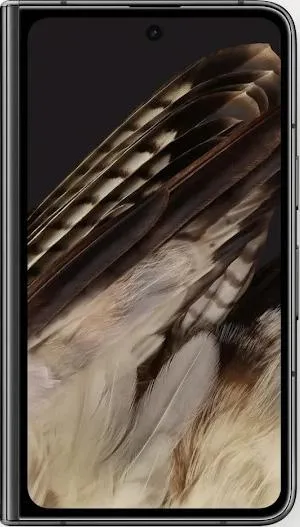
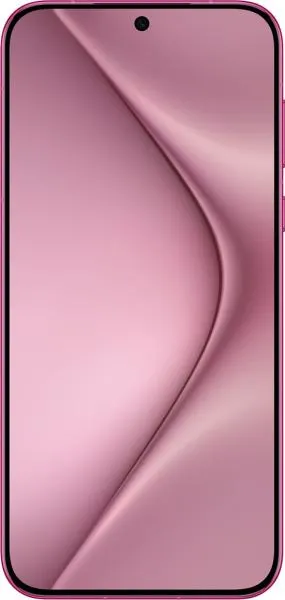
| Form Factor | Foldable | Standard | Pixel Fold offers greater versatility with its foldable screen for multitasking and media consumption but introduces potential durability concerns and added bulk. Pura 70 provides a more traditional, pocketable design. |
| Dimensions (mm) | 139.7 x 158.7 x 5.8 (unfolded) | 157.6 x 74.3 x 8 | Pixel Fold significantly wider unfolded, but thinner when folded. Pura 70 is more manageable for one-handed use. |
| Weight (g) | 283 | 207 | Pixel Fold is noticeably heavier, impacting portability. |
| Display | |||
| Display Type | Foldable OLED | LTPO OLED | Pixel Fold's folding capability allows for a larger inner display for immersive experiences. Pura 70's LTPO panel offers potentially better power efficiency with dynamic refresh rate adjustment. |
| Size (inches) | 7.6 (inner), 5.8 (outer) | 6.6 | Pixel Fold's larger inner display provides a tablet-like experience. Pura 70 has a large, but standard smartphone screen size. |
| Resolution | 1840 x 2208 (inner), 1080 x 2092 (outer) | 1256 x 2760 | Both offer sharp displays, but Pixel Fold's inner display provides more overall screen real estate. |
| Refresh Rate (Hz) | 120 | 120 | Both offer smooth scrolling and animations. |
| Peak Brightness (nits) | 1450 | 2500 | Pura 70 boasts significantly higher peak brightness, improving outdoor visibility. |
| Performance | |||
| Chipset | Google Tensor G2 (5 nm) | Kirin 9000S1 | Performance comparison difficult without benchmark scores for Kirin chip. Tensor G2 known for AI capabilities and smooth performance. |
| CPU | Octa-core (2x2.85 GHz Cortex-X1 & 2x2.35 GHz Cortex-A78 & 4x1.80 GHz Cortex-A55) | Octa-core | Detailed specifications lacking for Kirin CPU make direct comparison challenging. |
| GPU | Mali-G710 MP7 | 8 | GPU performance comparison impossible without details on Kirin GPU. Mali-G710 MP7 is a capable GPU for gaming and demanding tasks. |
| RAM (GB) | 12 | 12 | Both phones have ample RAM for multitasking. |
| Camera | |||
| Main Camera (MP) | 48 | 50 | Resolution difference is minor. Pura 70 has a slightly wider aperture (f/1.4 vs f/1.7), potentially better in low light. Practical image quality depends on sensor and processing. |
| Ultrawide (MP) | 10.8 | 13 | Minor difference in resolution. Practical difference depends on lens quality and software processing. |
| Telephoto (MP) | 10.8 | 12 | Pura 70's telephoto offers higher optical zoom (3.5x vs unclear for Pixel Fold) and potentially better image stabilization (OIS specified). |
| Battery | |||
| Capacity (mAh) | 4821 | 4900 | Pura 70 has a slightly larger battery, but real-world battery life depends on software optimization and usage patterns. Foldable displays typically consume more power. |
2. Key Differences Analysis
Google Pixel Fold Advantages:
- Foldable Design: Offers unique versatility for multitasking, media consumption, and different usage modes.
- Google Tensor G2: Optimized for AI and machine learning tasks, providing a smooth software experience.
- Established Software Ecosystem: Benefits from regular Android updates and Google's software features.
Huawei Pura 70 Advantages:
- Brighter Display: Superior outdoor visibility due to higher peak brightness.
- Potentially Better Main and Telephoto Cameras: Wider aperture on the main camera and confirmed OIS on telephoto lens suggest advantages in low light and zoom photography.
- Slightly Larger Battery: Potentially longer battery life, though real-world performance depends on many factors.
- DisplayPort: Offers direct video output capability, beneficial for presentations and connecting to external displays.
3. User Profiles & Recommendations
Google Pixel Fold: Ideal for users who value versatility and multitasking, want a large screen for media consumption on the go, and prioritize software experience and frequent updates. Use cases: Reading ebooks, watching videos, mobile gaming, productivity tasks, split-screen multitasking.
Huawei Pura 70: Suitable for users who prioritize a bright, high-quality display for outdoor use, need a powerful camera system with good zoom capabilities, and prefer a traditional smartphone form factor. Use Cases: Photography enthusiasts, content creators, users who frequently use their phones in bright sunlight, those who prioritize battery life.
4. Decision Framework
Key Questions for Buyers:
- How important is portability and one-handed use? Pixel Fold's size and weight are significant considerations.
- Is a foldable screen a must-have feature? This impacts versatility and potential use cases.
- Which ecosystem and software features are preferred? Google's Android vs. Huawei's HarmonyOS (assuming Pura 70 runs HarmonyOS given lack of OS info).
My Choice: Huawei Pura 70
While the Pixel Fold's foldable design is intriguing, the Pura 70's overall package is more appealing to me. The significantly brighter display is crucial for outdoor usage, and the camera system seems more compelling with its larger main sensor aperture, optical zoom with OIS on the telephoto lens, and higher resolution selfie camera. The DisplayPort functionality adds a unique advantage for productivity. Although specific details about the Kirin processor are missing, the overall combination of features in the Pura 70, coupled with its lighter and more pocketable design, makes it a more practical choice for my needs. The lack of clear OS information is a concern, but assuming it runs Harmony OS, I am willing to try a different ecosystem for the hardware advantages.
