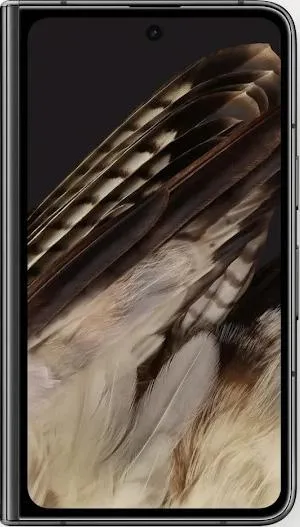
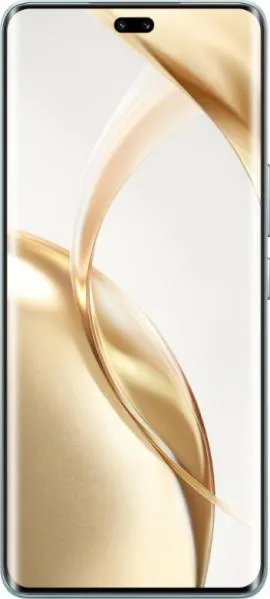
1. Specifications Comparison
| Feature | Google Pixel Fold | Honor 200 Pro | Practical Impact |
|---|---|---|---|
| Design | |||
| Dimensions (mm) | 139.7 x 158.7 x 5.8 (folded) | 163.3 x 75.2 x 8.2 | Pixel Fold significantly wider when unfolded, Honor 200 Pro thinner and more pocketable overall. |
| Weight (g) | 283 | 199 | Pixel Fold noticeably heavier, impacting one-handed use and portability. |
| Foldable | Yes | No | Pixel Fold offers larger screen real estate for multitasking and media consumption but with added bulk. |
| Display | |||
| Display Type | Foldable OLED | OLED | Pixel Fold's folding display enables versatile usage scenarios; Honor 200 Pro offers a traditional, slim form factor. |
| Size (inches) | 7.6 (unfolded), 5.8 (cover) | 6.78 | Pixel Fold's unfolded screen significantly larger, ideal for productivity and media; Honor 200 Pro's screen still large but less expansive. |
| Resolution (px) | 2208 x 1840 (unfolded), 2092 x 1080 (cover) | 2700 x 1224 | Comparable sharpness despite different resolutions due to varying screen sizes; Pixel Fold offers higher pixel density on the cover screen. |
| Refresh Rate (Hz) | 120 | 120 | Both offer smooth scrolling and animations. |
| Peak Brightness (nits) | 1450 | 4000 | Honor 200 Pro boasts significantly higher peak brightness, ensuring better visibility outdoors. |
| Performance | |||
| Chipset | Google Tensor G2 (5 nm) | Snapdragon 8s Gen 3 (4 nm) | Snapdragon 8s Gen 3 generally offers better CPU and GPU performance, leading to faster app loading, smoother gaming, and improved multitasking. Tensor G2 prioritizes AI and machine learning tasks. |
| CPU | Octa-core (2x2.85 GHz Cortex-X1 & 2x2.35 GHz Cortex-A78 & 4x1.80 GHz Cortex-A55) | Octa-core (1x3.0 GHz Cortex-X4 & 4x2.8 GHz Cortex-A720 & 3x2.0 GHz Cortex-A520) | Honor 200 Pro likely to have a performance advantage due to newer CPU architecture. |
| GPU | Mali-G710 MP7 | Adreno 735 | Adreno 735 generally provides better gaming and graphics performance compared to Mali-G710 MP7. |
| RAM (GB) | 12 | 12 | Both offer ample RAM for smooth multitasking. |
| Camera | |||
| Main Camera (MP) | 48 | 50 | Both offer high-resolution main cameras. Image quality will depend on sensor and processing, not just megapixel count. |
| Additional Cameras | Wide, Telephoto | Wide, Telephoto | Both have versatile camera systems. Specific lens specifications (aperture, sensor size) are crucial for image quality comparison, but some details are missing for the Pixel Fold. |
| Video Capabilities | Up to 4K@60fps with HDR, 1080p@240fps | Up to 4K@30fps, 1080p@60fps | Pixel Fold offers higher video resolution and frame rates, along with HDR recording for improved dynamic range. Missing details on Honor's video capabilities limit a complete comparison. |
| Battery | |||
| Capacity (mAh) | 4821 | 5200 | Honor 200 Pro has a slightly larger battery, potentially leading to longer battery life. Real-world usage will vary significantly. |
| Other | |||
| OS | Android 13 | Android 14 | Honor 200 Pro ships with a newer Android version, potentially offering more features and longer software support. Pixel Fold is likely to receive updates to newer Android versions. |
| USB Version | USB Type-C 3.2 | USB Type-C 2.0 | Pixel Fold has a faster USB standard, enabling faster data transfer speeds when connected to a compatible device. This might not be noticeable for everyday use. |
2. Key Differences Analysis
Google Pixel Fold Advantages:
- Foldable Design: Offers larger screen real estate for multitasking and media consumption.
- Higher Resolution Cover Screen: More detailed and sharper content on the external display.
- Superior Video Capabilities: Higher resolution and frame rates with HDR support.
- Likely better software support and faster updates, despite older initial version Google is known for faster and longer software update cycles for Pixel devices.
Honor 200 Pro Advantages:
- Higher Performance: Snapdragon 8s Gen 3 generally provides a significant performance boost for demanding tasks and gaming.
- Lighter and Thinner: More pocketable and comfortable for one-handed use.
- Brighter Display: Significantly better outdoor visibility.
- Larger Battery: Potentially longer battery life.
Trade-offs:
- Pixel Fold: Larger size and weight for the foldable form factor. Potentially higher price.
- Honor 200 Pro: Lacks the versatility of a foldable screen. Potentially slower software updates compared to the Pixel.
3. User Profiles & Recommendations
Google Pixel Fold: Ideal for users who prioritize multitasking, media consumption on a larger screen, and value the flexibility of a foldable device. Use cases include:
- Productivity: Working on multiple documents, using split-screen apps.
- Entertainment: Watching videos, playing games on a larger display.
- Reading/Browsing: Immersive experience with more screen real estate.
Honor 200 Pro: Ideal for users who prioritize performance, portability, and a bright display. Use cases include:
- Gaming: Smooth performance for demanding mobile games.
- Everyday Use: Lightweight and pocketable for general tasks.
- Outdoor Use: Bright display ensures visibility in sunlight.
4. Decision Framework
Key Questions for Buyers:
- How important is portability? If pocketability and one-handed use are paramount, the Honor 200 Pro is preferable.
- Do you need a large screen for multitasking and media? The Pixel Fold's foldable screen offers a significant advantage here.
- What is your budget and how important is long term software support? The Pixel Fold might be more expensive but offers potentially faster and longer software updates directly from Google. The Honor's price point may be more appealing.
My Choice: Google Pixel Fold
While the Honor 200 Pro offers compelling performance and a sleek design, I would choose the Google Pixel Fold. The foldable form factor is a game-changer for productivity and media consumption. The ability to switch between a pocketable phone and a small tablet is incredibly useful. While I acknowledge the added weight and potential price premium, the versatility and unique user experience offered by the Pixel Fold outweigh those drawbacks for me. The superior video capabilities and expected long-term software support further solidify my choice. I prioritize functionality and future-proofing in my tech purchases, and the Pixel Fold aligns better with those priorities.
