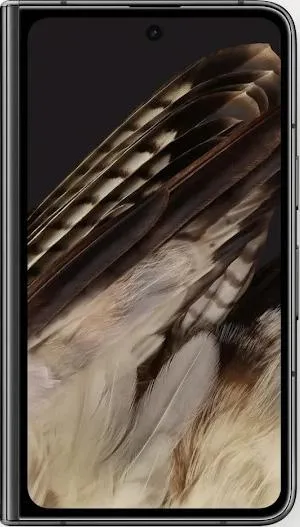
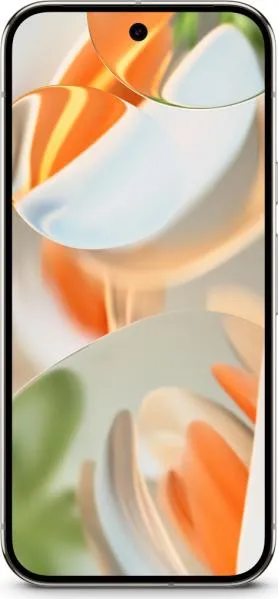
1. Specifications Comparison
| Feature | Google Pixel Fold | Google Pixel 9 Pro | Practical Impact |
|---|---|---|---|
| Design | |||
| Dimensions (mm) | 139.7 x 158.7 x 5.8 (unfolded), ~139.7 x 79.35 x 12.1 (folded) | 152.8 x 72 x 8.5 | Pixel Fold significantly larger unfolded, thicker when folded, but potentially more pocketable when folded. Pixel 9 Pro is a more traditional candy bar form factor. |
| Weight (g) | 283 | 199 | Pixel Fold noticeably heavier due to folding mechanism and larger display. |
| Foldable | Yes | No | Fold provides larger screen real estate for multitasking and media consumption, but adds bulk and complexity. |
| Display | |||
| Display Size (inches) | 7.6 (main), 5.8 (cover) | 6.3 | Pixel Fold offers a significantly larger main display for immersive experiences. Pixel 9 Pro's display size is typical for a flagship. |
| Resolution (pixels) | 2208 x 1840 (main), 1080 x 2092 (cover) | 2856 x 1280 | Both offer sharp displays, but Pixel 9 Pro boasts a slightly higher pixel density (495 ppi vs. 406 ppi on the cover display and 378 ppi on the main). |
| Refresh Rate (Hz) | 120 | 120 | Both displays offer smooth scrolling and animations. |
| Peak Brightness (nits) | 1450 | 3000 | Pixel 9 Pro boasts significantly higher peak brightness, improving outdoor visibility. |
| Display Type | Foldable OLED | LTPO OLED | Pixel 9 Pro's LTPO panel enables dynamic refresh rate adjustment for power saving. |
| Performance | |||
| Chipset | Google Tensor G2 (5 nm) | Google Tensor G4 (4 nm) | Pixel 9 Pro's newer and more efficient chip likely offers better performance and battery life. |
| CPU | Octa-core (2x2.85 GHz Cortex-X1 & 2x2.35 GHz Cortex-A78 & 4x1.80 GHz Cortex-A55) | Octa-core (1x3.1 GHz Cortex-X4 & 3x2.6 GHz Cortex-A720 & 4x1.92 GHz Cortex-A520) | Pixel 9 Pro utilizes newer CPU architecture, resulting in performance gains. |
| RAM | 12GB | 16GB | Pixel 9 Pro offers more RAM for improved multitasking and app switching. |
| Camera | |||
| Main Camera (MP) | 48 | 50 | Both have high-resolution main cameras, but Pixel 9 Pro uses a larger sensor (1/1.3") and wider aperture (f/1.69) for potentially better low-light performance. Specific image quality comparisons require real-world testing. |
| Video Recording | Up to 4K@60fps | Up to 8K@30fps | Pixel 9 Pro supports higher resolution video recording. |
| Battery | |||
| Capacity (mAh) | 4821 | 4700 | Comparable battery capacities, though real-world battery life depends on usage and efficiency of the respective chipsets. |
2. Key Differences Analysis
Pixel Fold Advantages:
- Larger Screen: The foldable design provides a tablet-like experience for productivity and media consumption.
- Unique Form Factor: Offers a novel approach to smartphone usage.
Pixel 9 Pro Advantages:
- Superior Performance: Newer, more powerful chipset and more RAM.
- Brighter Display: Much brighter display for better outdoor visibility.
- Potentially Better Camera: Larger main sensor and wider aperture suggest improved low-light performance. 8K video recording capability.
- More Refined Software Experience: Benefits from an extra year of software updates and refinements. Potentially longer OS update support.
3. User Profiles & Recommendations
Pixel Fold: Users who prioritize a large screen for multitasking, media consumption, and appreciate a novel, cutting-edge device.
Pixel 9 Pro: Users who prioritize performance, camera quality, a bright display, and a more traditional smartphone experience.
4. Decision Framework
- How important is screen size and multitasking? If a large screen is paramount, the Pixel Fold is the clear winner.
- What is your budget? The Pixel Fold falls into the "medium price" range while the Pixel 9 Pro is "high price."
- Do you value cutting-edge technology or a refined, traditional experience? Early adopters might prefer the Fold, while others might prefer the more mature technology of the 9 Pro.
My Choice: Google Pixel 9 Pro
While the Pixel Fold is intriguing, the Pixel 9 Pro is the more compelling choice for me. The performance gains from the Tensor G4, combined with the brighter display, larger camera sensor, and potential for longer software support outweigh the benefits of the foldable screen in my personal use case. I prioritize a smooth, powerful, and reliable smartphone experience, and the Pixel 9 Pro seems to deliver better in these areas. The higher price is justified by these tangible improvements. I am also wary of the potential durability concerns and added bulk of a first-generation foldable device. While the larger screen of the Fold is attractive for media consumption, I find a traditional smartphone form factor more practical for daily use.
