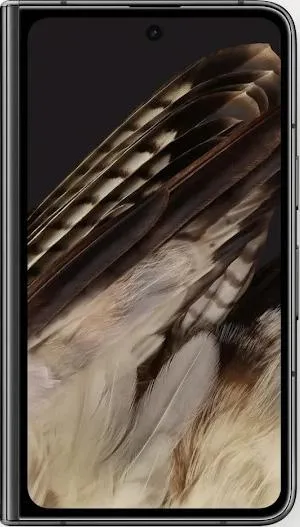
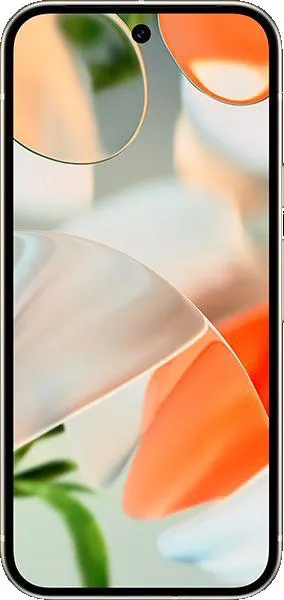
1. Specifications Comparison
| Feature | Google Pixel Fold | Google Pixel 9 | Practical Impact |
|---|---|---|---|
| Design | |||
| Form Factor | Foldable | Standard | Foldable design offers larger screen real estate in a pocketable device, but introduces potential durability concerns and added weight. |
| Dimensions (mm) | 139.7 x 158.7 x 5.8 (unfolded) | 152.8 x 72 x 8.5 | Pixel 9 is significantly thinner and lighter, easier for one-handed use and pocket carry. |
| Weight (g) | 283 | 198 | Pixel Fold's weight might be noticeable during extended use. |
| Display | |||
| Display Type | Foldable OLED | OLED | Pixel Fold's folding capability allows for a tablet-like experience, while Pixel 9 offers a traditional smartphone display. |
| Size (inches) | 7.6 (unfolded), 5.8 (cover) | 6.3 | Pixel Fold offers a much larger main display for multitasking and media consumption. Pixel 9's cover screen provides quick interactions without unfolding. |
| Resolution (px) | 1840 x 2208 (unfolded), 1080 x 2092 (cover) | 1080 x 2424 | Both offer sharp displays, but Pixel Fold's larger unfolded screen provides more detail for productivity. |
| Refresh Rate (Hz) | 120 | 120 | Both offer smooth scrolling and animations. |
| Peak Brightness (nits) | 1450 | 2700 (stated, but no brightness_peak value provided in data) | Pixel 9 likely offers better outdoor visibility based on stated peak brightness, though provided data lacks a confirming brightness_peak value. We can't definitively conclude this without that specific data point. |
| Performance | |||
| Chipset | Google Tensor G2 (5 nm) | Google Tensor G4 (4 nm) | Tensor G4 is newer and likely offers performance and efficiency improvements over the G2. |
| CPU | Octa-core (2x2.85 GHz Cortex-X1 & 2x2.35 GHz Cortex-A78 & 4x1.80 GHz Cortex-A55) | Octa-core (1x3.1 GHz Cortex-X4 & 3x2.6 GHz Cortex-A720 & 4x1.92 GHz Cortex-A520) | Pixel 9's newer CPU architecture should result in faster processing speeds and better power management. |
| GPU | Mali-G710 MP7 | Mali-G715 MC7 | Pixel 9's GPU is likely more powerful, leading to improved gaming and graphics performance. |
| RAM (GB) | 12 | 12 | Both have ample RAM for multitasking. |
| Camera | |||
| Main Camera (MP) | 48 | 50 | Both offer high-resolution main cameras. |
| DxOMark Score | 133 | 154 | Pixel 9 has a significantly higher DxOMark score, suggesting superior overall camera performance. |
| Battery | |||
| Capacity (mAh) | 4821 | 4700 | Similar battery capacities, though real-world battery life will depend on usage and efficiency of the respective chipsets. Pixel Fold's larger display may consume more power. |
2. Key Differences Analysis
Pixel Fold Advantages:
- Larger Screen: The foldable display provides a significantly larger screen for multitasking, media consumption, and productivity.
- Unique Form Factor: The novelty of a foldable phone can be appealing to some users.
Pixel 9 Advantages:
- Performance: The newer Tensor G4 chip offers a noticeable performance advantage.
- Camera: Higher DxOMark score and newer sensor technology suggest better image quality.
- Lighter and Thinner: More pocketable and comfortable for one-handed use.
- Lower Price (Potentially): While both are "medium priced", available pricing data suggests Pixel 9 may be slightly more affordable.
3. User Profiles & Recommendations
Pixel Fold: Users who prioritize a large screen for productivity and media consumption on the go, and are willing to compromise on portability and potentially higher cost. Ideal for watching videos, reading ebooks, multitasking with multiple apps, and using the phone as a mini-tablet.
Pixel 9: Users who prioritize performance, camera quality, and a more traditional smartphone experience. Ideal for everyday use, gaming, photography enthusiasts, and those who value a lighter and thinner device.
4. Decision Framework
Key Questions:
- How important is screen size and multitasking capability?
- Do you prioritize cutting-edge performance and camera quality?
- What is your budget and tolerance for a potentially heavier and more fragile device?
My Choice: Google Pixel 9
While the Pixel Fold's large screen is tempting, the Pixel 9's superior performance, camera, and more manageable form factor are more compelling to me. I prioritize a smooth and responsive user experience, excellent image quality, and ease of carrying. The likely price difference further reinforces my preference for the Pixel 9. The foldable technology, while innovative, hasn't fully matured to a point where the trade-offs in weight, durability, and price are justifiable for my personal needs. The performance gains and significantly better camera of the Pixel 9 make it a more well-rounded device for everyday use.
