1. Specifications Comparison
| Feature | Google Pixel Fold | Google Pixel 8a | Practical Impact |
|---|---|---|---|
| Design | |||
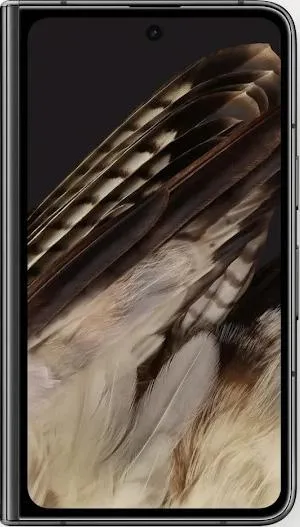
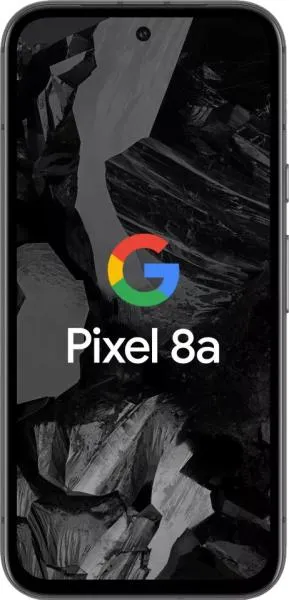
| Dimensions | 139.7 x 158.7 x 5.8 mm (unfolded) | 152.1 x 72.7 x 8.9 mm | Pixel Fold significantly larger unfolded, 8a much more pocketable |
| Weight | 283g | 188g | Fold noticeably heavier, can be tiring for extended use |
| Foldable | Yes | No | Fold offers larger screen real estate for multitasking and media consumption; 8a is more traditional |
| Display | |||
| Display Type | Foldable OLED | OLED | Fold's folding screen enables tablet-like experience; 8a offers a standard, durable screen |
| Size | 7.6" (unfolded), 5.8" (cover) | 6.1" | Fold provides a significantly larger unfolded display for productivity and media; 8a's screen size is comfortable for one-handed use |
| Resolution | 1840 x 2208 (unfolded), 1080 x 2092 (cover) | 1080 x 2400 | Both offer sharp displays; Fold's unfolded screen provides more detail due to higher resolution |
| Refresh Rate | 120Hz | 120Hz | Both offer smooth scrolling and animations |
| Peak Brightness | 1450 nits (peak) | 2000 nits (peak) | Pixel 8a may offer better outdoor visibility but data is limited on sustained levels |
| Performance | |||
| Chipset | Google Tensor G2 (5 nm) | Google Tensor G3 (4 nm) | G3 in the 8a offers performance and efficiency improvements over the G2 |
| CPU | Octa-core (2x2.85 GHz Cortex-X1 &...) | Nona-core (1x3.0 GHz Cortex-X3 &...) | 8a's newer CPU architecture should result in faster processing speeds and better multitasking |
| GPU | Mali-G710 MP7 | Immortalis-G715s MC10 | 8a likely has a more powerful GPU, leading to improved gaming and graphics performance |
| RAM | 12GB | 8GB | Fold offers more RAM for smoother multitasking and demanding applications |
| Camera | |||
| Main Camera | 48MP | 64MP (Sony IMX787) | 8a boasts a higher resolution main sensor with a known, reputable model, potentially capturing more detail |
| Ultrawide | 10.8MP | 13MP (Sony IMX712) | 8a has a slightly higher resolution ultrawide with larger pixel size for potentially better low-light performance |
| Telephoto | 10.8MP | None | Fold offers optical zoom for clearer zoomed-in shots; 8a relies on digital zoom |
| DXOMARK Score | 133 | 136 | 8a scores slightly higher overall, particularly in photo quality according to DXOMARK |
| Battery | |||
| Capacity | 4821 mAh | 4492 mAh | Fold has a larger battery, but larger screen consumes more power; actual battery life depends on usage |
2. Key Differences Analysis
Pixel Fold Advantages:
- Larger Screen Real Estate: The foldable design offers a tablet-like experience, ideal for multitasking, media consumption, and productivity.
- More RAM: 12GB ensures smooth performance even with demanding tasks.
- Optical Zoom: Dedicated telephoto lens provides superior zoom capabilities compared to digital zoom.
Pixel 8a Advantages:
- More Powerful Chipset: The Tensor G3 offers significant performance and efficiency gains.
- Improved Camera System: Higher resolution sensors and potentially better image processing could result in better photos and videos.
- Lighter and More Pocketable: Significantly easier to carry and use one-handed.
- Lower Price: Typically more affordable than the Pixel Fold.
- Longer Software Support: Expected to receive Android OS updates for a longer period.
Trade-offs:
- Fold: Larger size and weight, higher price, potential durability concerns with the folding screen.
- 8a: Smaller screen, no optical zoom, less RAM.
3. User Profiles & Recommendations
Pixel Fold: Ideal for users who prioritize a large screen for productivity, multitasking, and media consumption and are willing to pay a premium for the foldable form factor. Use cases: Reading ebooks, watching movies, editing documents, using split-screen apps, mobile gaming.
Pixel 8a: Best suited for users who value a compact, lightweight phone with excellent performance and camera capabilities at a more affordable price. Use cases: Everyday communication, social media, web browsing, photography, casual gaming.
4. Decision Framework
Key Questions:
- How important is screen size and multitasking? A large, foldable screen significantly impacts productivity and media consumption.
- What is your budget? The Pixel Fold is considerably more expensive.
- Do you prioritize portability and ease of use? The Pixel 8a is significantly lighter and more pocketable.
Scenario-Based Recommendations:
- Business professional needing a portable workstation: Pixel Fold
- Casual user prioritizing affordability and portability: Pixel 8a
- Media enthusiast who consumes a lot of content on the go: Pixel Fold
- Photographer who values image quality: Pixel 8a (considering DXOMARK and newer hardware)
My Choice: Google Pixel 8a
While the Pixel Fold's large screen is tempting, the Pixel 8a offers a more compelling overall package for my needs. I prioritize a lightweight and pocketable phone for everyday use. The 8a's superior performance with the Tensor G3, improved camera system, and longer software support make it a more future-proof choice. The lower price point is also a significant factor. While I appreciate the Fold's innovative design, the practical benefits of the 8a outweigh the novelty of a foldable screen for my personal use case. The significant price difference could be better allocated elsewhere for my needs. The 8a strikes a great balance between performance, features, usability, and price.
