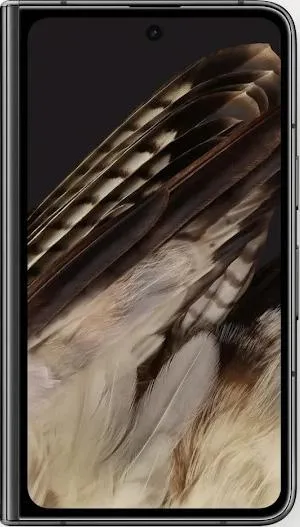
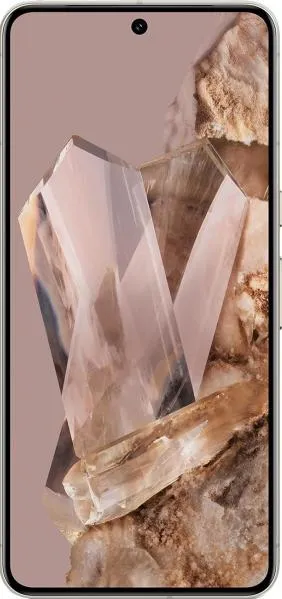
1. Specifications Comparison
| Feature | Google Pixel Fold | Google Pixel 8 Pro | Practical Impact |
|---|---|---|---|
| Design | |||
| Dimensions (mm) | 139.7 x 158.7 x 5.8 (unfolded) | 162.6 x 76.5 x 8.8 | Pixel Fold significantly wider when unfolded, Pixel 8 Pro thicker and taller when both closed. Fold's thinness impressive but wider footprint less pocketable. |
| Weight (g) | 283 | 213 | Pixel Fold noticeably heavier, impacting one-handed use and pocket comfort. |
| Foldable | Yes | No | Fold offers larger screen real estate in a potentially more portable form factor, 8 Pro offers traditional slab design. |
| Display | |||
| Display Type | Foldable OLED | LTPO OLED | Fold's folding capability allows for a larger inner display for media consumption and multitasking. 8 Pro's LTPO panel offers better power efficiency with variable refresh rate. |
| Display Size (inches) | 7.6 (unfolded), 5.8 (cover) | 6.7 | Fold provides a tablet-like experience when unfolded; 8 Pro has a large, standard smartphone screen. |
| Resolution (px) | 2208 x 1840 (unfolded), 1080 x 2092 (cover) | 2992 x 1344 | Both offer high resolution, but Pixel 8 Pro has higher pixel density leading to sharper images and text. |
| Refresh Rate (Hz) | 120 | 120 | Both offer smooth scrolling and animations. |
| Peak Brightness (nits) | 1450 | 2400 | 8 Pro offers significantly higher peak brightness, improving outdoor visibility. |
| Performance | |||
| Chipset | Google Tensor G2 (5 nm) | Google Tensor G3 (4 nm) | G3 provides performance and efficiency improvements over G2, likely resulting in faster app loading, smoother multitasking, and better battery life. |
| CPU | Octa-core (2x2.85 GHz Cortex-X1 & 2x2.35 GHz Cortex-A78 & 4x1.80 GHz Cortex-A55) | Nona-core (1x3.0 GHz Cortex-X3 & 4x2.45 GHz Cortex-A715 & 4x2.15 GHz Cortex-A510) | G3's newer architecture should deliver noticeable performance gains in demanding tasks. |
| GPU | Mali-G710 MP7 | Immortalis-G715s MC10 | G3's GPU should offer improved gaming and graphics performance. |
| RAM (GB) | 12 | 12 | Both offer ample RAM for multitasking. |
| Camera | |||
| Main Camera (MP) | 48 | 50 | Both high resolution; practical differences would depend on image processing. Spec sheet doesn't provide enough detail to compare sensor size and other key factors. |
| Telephoto | Yes | Yes | Both phones have telephoto capabilities; detailed comparison requires more specs (optical zoom levels). Pixel 8 Pro specs indicate 5x Optical Zoom. |
| Ultrawide | Yes | Yes + Macro | Pixel 8 Pro offers the added versatility of macro photography. |
| Battery | |||
| Capacity (mAh) | 4821 | 5050 | Pixel 8 Pro has a slightly larger battery capacity, potentially offering longer battery life. However, real-world battery life depends heavily on usage and software optimization. |
2. Key Differences Analysis
Pixel Fold Advantages:
- Larger Inner Display: Enables better multitasking and media consumption.
- Foldable Form Factor: Offers a unique and potentially more portable large-screen solution.
Pixel 8 Pro Advantages:
- Superior Performance: Tensor G3 offers noticeable speed and efficiency improvements.
- Brighter Display: Better outdoor visibility.
- Improved Camera System: Higher resolution main sensor, Macro capability, and potentially better image processing (though insufficient data provided for definitive conclusion).
- Larger Battery: Potentially longer battery life.
- Lighter and More Ergonomic (in traditional phone usage): More comfortable for one-handed use and extended periods.
- LTPO Display: More power efficient.
Trade-offs:
- Pixel Fold: Heavier, less pocketable when unfolded, potentially higher price. Durability of the folding screen is a long-term concern.
- Pixel 8 Pro: Lacks the large-screen experience of the unfolded Pixel Fold.
3. User Profiles & Recommendations
Pixel Fold: Ideal for users who prioritize a large screen for productivity, media consumption, and multitasking on the go and are willing to compromise on weight and potentially durability.
Pixel 8 Pro: Ideal for users who prioritize performance, camera quality, battery life, and a more traditional smartphone experience. A good choice for power users, gamers, and photography enthusiasts.
4. Decision Framework
Key Questions for Buyers:
- How important is a large screen for your daily use?
- Are you willing to compromise on weight and portability for a foldable device?
- What is your budget and how much do you value the latest performance and camera technology?
My Choice: Google Pixel 8 Pro
While the Pixel Fold's innovative form factor is intriguing, the Pixel 8 Pro offers a more well-rounded package for my needs. The Tensor G3's performance advantage, the brighter and more power-efficient display, the enhanced camera system, and the lighter, more ergonomic design are compelling factors. As a power user who values speed, efficiency, and a great camera, the Pixel 8 Pro better suits my usage patterns. Although I appreciate the larger screen of the Fold, I prioritize a more comfortable and pocketable device for everyday use. The potential durability concerns and added weight of the Fold are also deterrents. Ultimately, the Pixel 8 Pro provides a more practical and powerful smartphone experience for my needs.
