1. Specifications Comparison
| Feature | Google Pixel Fold | Apple iPhone 16 Pro Max | Practical Impact |
|---|---|---|---|
| Design | |||
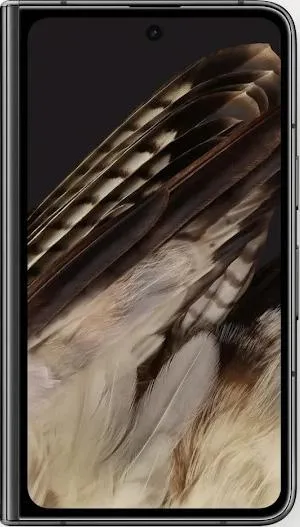
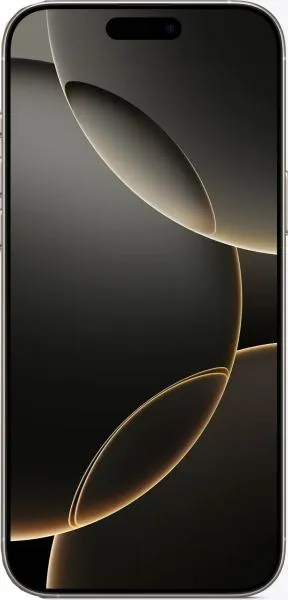
| Dimensions (mm) | 139.7 x 158.7 x 5.8 (folded) | 163 x 77.6 x 8.3 | Pixel Fold significantly wider when unfolded, but much more compact when folded. iPhone is a traditional slab design. |
| Weight (g) | 283 | 227 | Pixel Fold noticeably heavier, impacting one-handed use in folded mode. |
| Foldable | Yes | No | Pixel Fold offers a larger screen in a pocketable size, while iPhone prioritizes a slim, traditional form factor. |
| Display | |||
| Display Type | Foldable OLED | LTPO Super Retina XDR OLED | Pixel Fold has a crease, potentially distracting some users. iPhone's LTPO allows for more granular refresh rate control, saving battery. |
| Display Size (inches) | 7.6 (unfolded), 5.8 (folded) | 6.9 | Pixel Fold provides a tablet-like experience when unfolded. iPhone offers a large, immersive display in a standard form factor. |
| Resolution (px) | 1840 x 2208 (unfolded), 1080 x 2092 (folded) | 1320 x 2868 | Both offer sharp displays. Pixel Fold's unfolded screen provides more overall screen real estate. |
| Refresh Rate (Hz) | 120 | 120 | Both displays are smooth and responsive. |
| Peak Brightness (nits) | 1450 | 2000 | iPhone's display is significantly brighter, improving outdoor visibility. |
| Performance | |||
| Chipset | Google Tensor G2 (5 nm) | Apple A18 Pro (3 nm) | A18 Pro expected to offer significant performance and efficiency advantages over Tensor G2. |
| CPU | Octa-core | Hexa-core | A18 Pro's architecture likely provides superior single-core and multi-core performance. |
| GPU | Mali-G710 MP7 | Apple GPU (6-core) | Apple's custom GPU expected to deliver better gaming and graphics performance. |
| RAM | 12GB | 8GB | Pixel Fold has more RAM, potentially benefiting multitasking, though iOS often manages RAM more efficiently. |
| Camera | |||
| Rear Camera (MP) | 48MP Main, 10.8MP Wide, 10.8MP Telephoto | 48MP Main, 48MP Ultrawide, 12MP Telephoto | Both have versatile camera systems. iPhone 16 Pro Max boasts higher resolution ultrawide and potentially improved sensor technology. |
| DXOMark Score | 133 | 157 | iPhone 16 Pro Max scores significantly higher in DXOMark, suggesting superior overall image quality. |
| Video Capabilities | Up to 4K@240fps with HDR | Up to 4K@120fps with HDR, Dolby Vision | Both offer excellent video recording. iPhone supports Dolby Vision, offering wider dynamic range and richer colors in videos. |
| Battery | |||
| Capacity (mAh) | 4821 | 4685 | Similar battery capacities. Real-world battery life will depend on usage and software optimization. Pixel Fold's larger display may consume more power. |
2. Key Differences Analysis
Google Pixel Fold Advantages:
- Foldable Form Factor: Offers a larger screen in a more compact device for enhanced multitasking and media consumption.
- More RAM: Potentially benefits multitasking and demanding applications.
Apple iPhone 16 Pro Max Advantages:
- Superior Performance: A18 Pro chip expected to offer significant performance and efficiency gains.
- Brighter Display: Improves outdoor visibility.
- Higher-Quality Camera System: Based on DXOMark scores and specifications, likely produces better photos and videos, including Dolby Vision support.
- More Refined Software Ecosystem: iOS known for its optimization and app quality.
3. User Profiles & Recommendations
Google Pixel Fold: Ideal for users who prioritize a large screen for productivity and media consumption on the go and value the novelty of a foldable device. Use cases: Multitasking, reading ebooks, watching videos, mobile gaming on a larger screen.
Apple iPhone 16 Pro Max: Ideal for users who prioritize performance, camera quality, a refined user experience, and a sleek, traditional form factor. Use Cases: Demanding mobile gaming, professional photography/videography, general use in a premium device.
4. Decision Framework
Key Questions for Buyers:
- Form Factor Preference: Do you prioritize a foldable device for its larger screen and portability, or prefer a traditional slab phone?
- Performance Needs: Do you require the absolute best performance for demanding tasks, or is a good level of performance sufficient?
- Budget: Are you willing to pay a premium for the latest technology and features?
My Choice: Apple iPhone 16 Pro Max
While the Pixel Fold's foldable design is intriguing, the iPhone 16 Pro Max offers a more compelling overall package for my needs. I prioritize performance, camera quality, and a refined software experience, all areas where the iPhone excels. The A18 Pro chip's expected performance gains, combined with the brighter display and superior camera system, make the iPhone 16 Pro Max a more future-proof and versatile device. While the Pixel Fold's larger screen is attractive, I find the trade-offs in weight, thickness, and potential crease less appealing. Ultimately, the iPhone's overall performance and user experience align better with my preferences.
