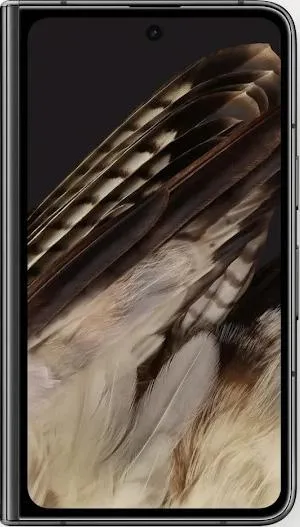
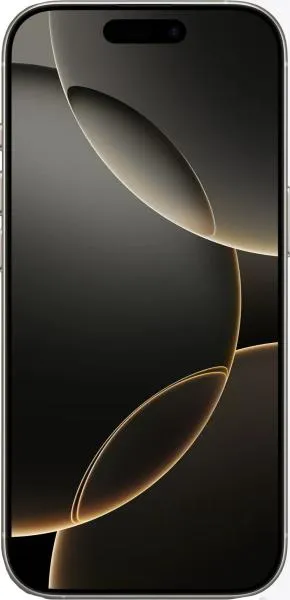
1. Specifications Comparison
| Feature | Google Pixel Fold | Apple iPhone 16 Pro | Practical Impact |
|---|---|---|---|
| Design | |||
| Dimensions | 139.7 x 158.7 x 5.8 mm (folded) | 149.6 x 71.5 x 8.3 mm | Pixel Fold significantly wider when unfolded, iPhone 16 Pro much more pocketable |
| Weight | 283g | 199g | Pixel Fold noticeably heavier, can be tiring for extended use |
| Foldable | Yes | No | Pixel Fold offers larger screen real estate for multitasking and media consumption but with added bulk |
| Display | |||
| Display Type | Foldable OLED | LTPO Super Retina XDR OLED | Both high-quality OLEDs; Pixel Fold's folding capability is the key differentiator |
| Display Size | 7.6" (unfolded), 5.8" (cover) | 6.3" | Pixel Fold offers a tablet-like experience when unfolded, while the iPhone 16 Pro has a larger, more usable external display |
| Resolution | 1840 x 2208 (unfolded), 1080 x 2092 (cover) | 1206 x 2622 | Both sharp displays; Pixel Fold's unfolded screen provides more overall pixels for detail |
| Refresh Rate | 120Hz | 120Hz | Both offer smooth scrolling and animations |
| Peak Brightness | 1450 nits (peak) | 2000 nits (HBM) | iPhone 16 Pro boasts significantly higher peak brightness for better outdoor visibility |
| Performance | |||
| Chipset | Google Tensor G2 (5 nm) | Apple A18 Pro (3 nm) | A18 Pro expected to offer significant performance and efficiency advantages due to newer process node |
| CPU | Octa-core (2x2.85 GHz Cortex-X1 & 2x2.35 GHz Cortex-A78 & 4x1.80 GHz Cortex-A55) | Hexa-core (2x4.05 GHz + 4x2.42 GHz) | Clock speeds don't tell the whole story; A18 Pro likely to be significantly faster in benchmarks and real-world usage |
| RAM | 12GB | 8GB | More RAM in Pixel Fold could benefit multitasking, though iOS often manages memory more efficiently |
| Camera | |||
| Rear Camera | 48MP Main, 10.8MP Wide, 10.8MP Telephoto | 48MP Main, 48MP Ultrawide, 12MP Telephoto, ToF 3D | iPhone 16 Pro boasts a more versatile camera system with a higher resolution ultrawide and dedicated ToF sensor for depth sensing |
| Front Camera | Outer: 9.5MP, Inner: 8MP | 12MP | iPhone 16 Pro has a higher resolution selfie camera; Pixel Fold offers two options for selfies |
| Video | Up to 4K@60fps with HDR | Up to 4K@120fps with HDR | iPhone 16 Pro offers higher frame rate video recording capabilities for smoother slow-motion footage. |
| Battery | |||
| Capacity | 4821 mAh | 3582 mAh | Pixel Fold has significantly larger battery, but real-world battery life depends on usage patterns and software optimization. Foldable displays tend to consume more power. |
2. Key Differences Analysis
Google Pixel Fold Advantages:
- Larger Screen Real Estate: The foldable screen allows for a tablet-like experience, enhancing productivity and media consumption.
- More RAM: Potentially better multitasking performance.
Apple iPhone 16 Pro Advantages:
- Superior Performance: The A18 Pro chip is expected to provide a significant performance boost over the Tensor G2.
- More Advanced Camera System: The iPhone 16 Pro boasts a more versatile camera setup with a higher resolution ultrawide and a ToF 3D sensor.
- Brighter Display: Better outdoor visibility.
- Lighter and More Pocketable: Easier to carry and use one-handed.
- Likely Longer Software Support: Apple is known for providing longer software updates compared to Google.
3. User Profiles & Recommendations
Google Pixel Fold: Ideal for users who prioritize a large screen for multitasking, media consumption, and productivity on the go, and are willing to compromise on portability and potentially performance.
Apple iPhone 16 Pro: Suitable for users who value performance, camera quality, a refined software experience, pocketability, and consistent software updates. Great all-around device.
4. Decision Framework
Key Questions for Buyers:
- How important is a large, foldable screen?
- Do you prioritize performance and camera quality over screen size?
- What is your budget and how much weight do you place on software updates?
Scenario-Based Recommendations:
- Power User: If you need top-tier performance and a polished software experience, the iPhone 16 Pro is a better choice.
- Content Creator: If video recording is paramount, the iPhone 16 Pro's superior video capabilities are a significant advantage.
- Multitasker: If you heavily multitask and desire a larger screen, the Pixel Fold is worth considering.
My Choice: Apple iPhone 16 Pro
While the Pixel Fold's large foldable screen is compelling, the iPhone 16 Pro's superior performance, more versatile camera system, brighter display, lighter weight, and expected longer software support make it the better overall device for me. I value a smooth and powerful user experience, along with a pocketable form factor, which the iPhone 16 Pro delivers. The A18 Pro's expected performance gains and efficiency, combined with the enhanced camera capabilities, tip the scales in its favor. I'm also in the Apple ecosystem, making the iPhone a more natural fit. While the Pixel Fold's folding screen is innovative, I don't find the added bulk and potential compromises in performance and long-term software support worth the trade-off.
