1. Specifications Comparison
| Feature | Google Pixel Fold | Apple iPhone 16 Plus | Practical Impact |
|---|---|---|---|
| Design | |||
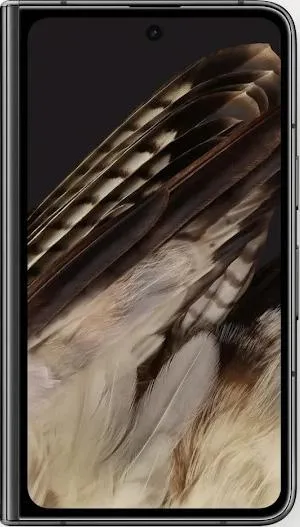
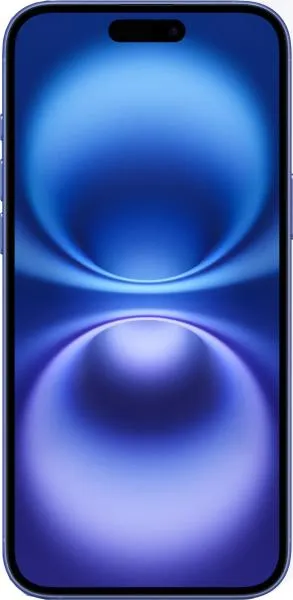
| Form Factor | Foldable | Standard | Pixel Fold offers greater versatility with its foldable screen, enabling tablet-like functionality in a pocketable device. iPhone 16 Plus provides a larger, traditional smartphone experience. |
| Dimensions (mm) | 139.7 x 158.7 x 5.8 (folded) | 160.9 x 77.8 x 7.8 | Pixel Fold is thicker when folded but significantly wider unfolded. iPhone 16 Plus is thinner and easier to pocket. |
| Weight (g) | 283 | 199 | Pixel Fold is noticeably heavier, impacting one-handed use. |
| Display | |||
| Display Type | Foldable OLED | Super Retina XDR OLED | Both offer high-quality OLED displays with excellent color accuracy and deep blacks. Pixel Fold's folding capability is the key differentiator. |
| Display Size (inches) | 7.6 (unfolded), 5.8 (folded) | 6.7 | Pixel Fold offers a significantly larger screen when unfolded for multitasking and media consumption. |
| Resolution (px) | 1840 x 2208 (unfolded), 1080 x 2092 (folded) | 1290 x 2796 | Both offer sharp displays. Pixel Fold's unfolded screen provides more screen real estate, while the iPhone has a slightly higher pixel density on its single screen. |
| Refresh Rate (Hz) | 120 | Unspecified | Pixel Fold's 120Hz refresh rate ensures smoother animations and scrolling compared to a standard 60Hz display (assuming iPhone 16 Plus does not have a high refresh rate display). |
| Peak Brightness (nits) | 1450 | 2000 | iPhone 16 Plus boasts higher peak brightness, improving outdoor visibility. |
| Performance | |||
| Chipset | Google Tensor G2 (5 nm) | Apple A18 (3 nm) | A18's 3nm process likely translates to better performance and efficiency compared to Tensor G2. Real-world performance differences need further benchmarking upon iPhone 16 Plus release. |
| CPU | Octa-core | Hexa-core | Specific core configurations differ, but both are designed for high performance. Real-world performance depends on optimization and will require benchmarking upon release of iPhone 16 Plus. |
| GPU | Mali-G710 MP7 | Apple GPU (5-core graphics) | Apple typically leads in GPU performance; however, real-world gaming and graphics-intensive task comparisons require benchmarks upon iPhone 16 Plus release. |
| RAM | 12GB | 8GB | Pixel Fold offers more RAM, potentially enabling better multitasking and app retention. iOS's memory management may mitigate this advantage to some degree. |
| Camera | |||
| Rear Camera | 48MP Main, 10.8MP Wide, 10.8MP Telephoto | 48MP Main, 12MP Ultrawide | Both offer versatile camera systems. Pixel Fold's telephoto offers optical zoom, while specifications lack detail on iPhone 16 Plus's zoom capabilities. Image quality comparisons require real-world testing. |
| Front Camera | 9.5MP (Outer), 8MP (Inner) | 12MP | iPhone 16 Plus has a higher resolution front-facing camera. Practical differences in selfie quality need real-world comparison. |
| Battery | |||
| Capacity (mAh) | 4821 | 4674 | Pixel Fold has a slightly larger battery capacity, but real-world battery life depends heavily on software optimization and usage patterns. |
2. Key Differences Analysis
Pixel Fold Advantages:
- Foldable Screen: The defining feature offers unparalleled versatility, transforming between phone and tablet modes.
- Larger Display: The unfolded screen provides a significant advantage for multitasking, media consumption, and productivity.
- Higher RAM: Potentially better multitasking performance and app retention.
iPhone 16 Plus Advantages:
- Likely Superior Performance: The A18 Bionic chip, built on a 3nm process, is expected to outperform the Tensor G2.
- Brighter Display: Enhanced outdoor visibility.
- Lighter and Thinner: More pocketable and comfortable for one-handed use.
- Potentially Better GPU: Apple typically leads in GPU performance.
Trade-offs:
- Foldability vs. Pocketability: Pixel Fold's versatility comes at the cost of increased thickness and weight.
- Performance vs. Versatility: iPhone 16 Plus is likely to offer superior performance, but lacks the foldable form factor.
3. User Profiles & Recommendations
Pixel Fold: Ideal for users who prioritize screen real estate and multitasking capabilities, valuing the flexibility of a foldable device. Excellent for productivity, media consumption, and on-the-go content creation.
iPhone 16 Plus: Suited for users who prefer a traditional large-screen smartphone experience with a focus on performance, sleek design, and a robust app ecosystem. Excellent for gaming, photography, and everyday use.
4. Decision Framework
Key Questions:
- How important is a foldable screen? Are you willing to compromise on portability and potentially performance for the versatility of a folding device?
- What are your primary smartphone use cases? Do you prioritize multitasking, media consumption, and productivity, or gaming, photography, and general use?
- What is your budget? Both are in the medium price range, but specific pricing may vary depending on storage configuration.
Scenario-Based Recommendations:
- Frequent traveler needing productivity: Pixel Fold for its larger screen for work and media consumption on the go.
- Mobile gamer: iPhone 16 Plus for its expected superior performance and graphics capabilities.
My Choice: Apple iPhone 16 Plus
While the Pixel Fold's innovative foldable design is undeniably appealing, I prioritize performance, a refined user experience, and a robust app ecosystem. The A18 Bionic chip's expected performance advantage, coupled with Apple's typically excellent GPU and software optimization, make the iPhone 16 Plus a compelling choice. The lighter and thinner form factor also aligns with my preference for a more pocketable device. Although I appreciate the Pixel Fold's versatility, the potential trade-offs in performance and weight are significant factors in my decision. Ultimately, the iPhone 16 Plus better suits my personal needs and priorities. I am also wary of the long-term durability of the folding screen technology.
