1. Specifications Comparison
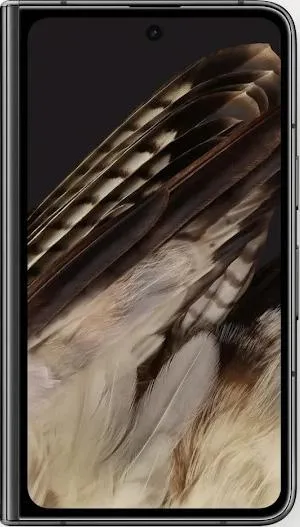
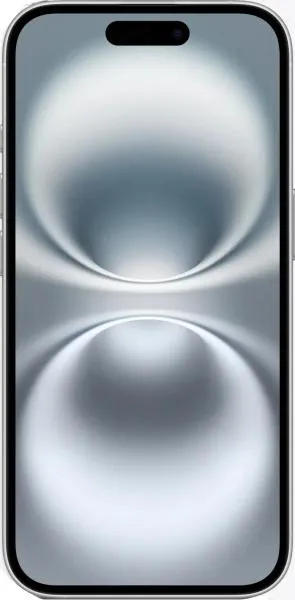
| Feature | Google Pixel Fold | Apple iPhone 16 | Practical Impact |
|---|---|---|---|
| Design | |||
| Form Factor | Foldable | Standard | Pixel Fold offers larger screen real estate in a pocketable size when folded; iPhone 16 is more traditional and potentially more durable. |
| Dimensions (mm) | 139.7 x 158.7 x 5.8 (unfolded) | 147.6 x 71.6 x 7.8 | Pixel Fold is wider unfolded but thinner overall; iPhone 16 is easier to hold and use with one hand. |
| Weight (g) | 283 | 170 | Pixel Fold is significantly heavier, potentially tiring for extended use; iPhone 16 is lighter and more comfortable for daily carry. |
| Display | |||
| Display Type | Foldable OLED | Super Retina XDR OLED | Pixel Fold allows for flexible usage scenarios with its folding screen; iPhone 16 offers a bright, sharp display with excellent color accuracy. |
| Display Size (inches) | 7.6 (unfolded), 5.8 (cover) | 6.1 | Pixel Fold's unfolded screen provides a tablet-like experience; iPhone 16's screen is suitable for one-handed use. |
| Resolution (px) | 1840 x 2208 (unfolded), 1080 x 2092 (cover) | 1179 x 2556 | Both offer high pixel density, resulting in sharp visuals. Pixel Fold's unfolded screen offers more overall pixels. |
| Refresh Rate (Hz) | 120 | Not specified | Pixel Fold offers smoother scrolling and animations; iPhone 16's refresh rate is unclear, limiting comparison. |
| Peak Brightness (nits) | 1450 | 2000 | iPhone 16's display is brighter, potentially improving outdoor visibility; Pixel Fold's brightness is sufficient for most conditions. |
| Performance | |||
| Chipset | Google Tensor G2 (5 nm) | Apple A18 (3 nm) | A18 is expected to offer significantly better performance and efficiency due to the newer manufacturing process; Tensor G2 focuses on AI and machine learning capabilities. |
| CPU | Octa-core | Hexa-core | Specific core configurations differ, making direct performance comparison difficult without benchmarks. |
| GPU | Mali-G710 MP7 | Apple GPU (5-core) | Apple's custom GPUs are generally highly optimized; direct GPU comparison needs benchmarks. |
| RAM | 12GB | 8GB | Pixel Fold's higher RAM could provide better multitasking performance; however, iOS optimization might offset this difference. |
| Camera | |||
| Rear Camera | 48MP Main, 10.8MP Wide, 10.8MP Telephoto | 48MP Main, 12MP Wide | Both offer high-resolution main sensors. iPhone 16 has a lower resolution ultrawide. Pixel Fold offers a dedicated telephoto lens for optical zoom. Practical image quality requires real-world testing. |
| Front Camera | 8MP, 9.5MP (Outer) | 12MP | iPhone 16's front camera has a higher resolution. Pixel Fold offers an additional outer selfie camera for use when folded. |
| Video | Up to 4K@60fps with HDR | Up to 4K@60fps with HDR | Both offer comparable video resolution and frame rates. |
| Battery | |||
| Capacity (mAh) | 4821 | 3561 | Pixel Fold has a significantly larger battery, likely leading to longer battery life; iPhone 16's battery life is unknown without real-world testing. |
2. Key Differences Analysis
Google Pixel Fold Advantages:
- Larger, Foldable Display: Provides versatility for multitasking, media consumption, and productivity.
- Higher RAM: Potentially better multitasking and app performance.
- Larger Battery: Likely results in significantly longer battery life.
- Telephoto Lens: Offers optical zoom capabilities for better image quality at longer distances.
Apple iPhone 16 Advantages:
- Expectedly Higher Performance: A18 chip promises significantly improved speed and efficiency.
- Lighter and More Pocketable: Easier to handle and carry for extended periods.
- Potentially Brighter Display: Better outdoor visibility.
- Higher Resolution Front-Facing Camera: Improved selfie quality.
3. User Profiles & Recommendations
Google Pixel Fold: Ideal for users who value a large screen for productivity and media consumption on the go, and prioritize multitasking capabilities. Suitable use cases include:
- Reading ebooks and documents
- Watching videos and movies
- Using productivity apps like spreadsheets and presentations
- Multitasking with split-screen functionality
Apple iPhone 16: Ideal for users who prioritize performance, portability, and a refined user experience within a traditional smartphone form factor. Suitable use cases include:
- Gaming and demanding applications
- Everyday tasks like browsing, social media, and communication
- Photography and videography in various scenarios
4. Decision Framework
Key Questions for Buyers:
- Form Factor Preference: Do you prioritize a larger, foldable screen or a more traditional, pocketable design?
- Performance Needs: Do you require top-tier processing power for demanding tasks, or is a balance of performance and AI capabilities sufficient?
- Budget and Value: Considering the price difference, which phone offers the best value for your specific needs and priorities?
My Choice: Apple iPhone 16
While the Pixel Fold's innovative foldable design and larger battery are tempting, I would choose the Apple iPhone 16. The expected performance gains from the A18 chip, coupled with the lighter and more pocketable design, align better with my personal priorities. I value a smooth and responsive user experience, and Apple's track record in this area is strong. Additionally, while the Pixel Fold has a larger battery, Apple's tight integration of hardware and software often results in impressive battery life despite smaller capacities. Finally, I prefer the more refined and polished ecosystem that Apple offers. The lack of a telephoto lens is a drawback, but the overall package of the iPhone 16 is more appealing to me. This is a subjective choice, and users with different priorities might find the Pixel Fold's unique features more compelling.
