1. Specifications Comparison
| Feature | Google Pixel Fold | Apple iPhone 15 Plus | Practical Impact |
|---|---|---|---|
| Design | |||
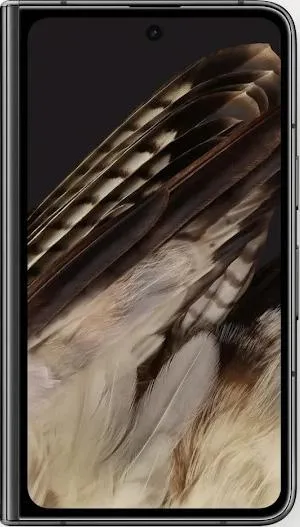
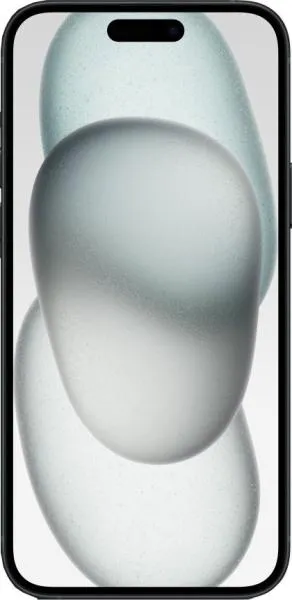
| Form Factor | Foldable | Standard | Pixel Fold offers greater versatility with its large inner screen for multitasking and media consumption, but introduces a crease and potential durability concerns. iPhone 15 Plus provides a familiar, pocketable design. |
| Dimensions (mm) | 139.7 x 158.7 x 5.8 (folded) | 160.9 x 77.8 x 7.8 | Pixel Fold is significantly wider unfolded but thinner when folded. iPhone 15 Plus is taller and noticeably thicker overall. Fold's portability when folded is a benefit, but unfolded size might be cumbersome. |
| Weight (g) | 283 | 201 | Pixel Fold is substantially heavier, potentially impacting one-handed use and comfort over extended periods. iPhone 15 Plus is lighter and easier to handle. |
| Display | |||
| Display Type | Foldable OLED | Super Retina XDR OLED | Pixel Fold's folding display enables a tablet-like experience but with a potential crease. iPhone's display offers excellent color accuracy and brightness. |
| Display Size (inches) | 7.6 (unfolded), 5.8 (cover) | 6.7 | Pixel Fold's unfolded screen offers a significantly larger viewing area for productivity and media. iPhone 15 Plus's screen is large for a standard phone but smaller than the unfolded Pixel. |
| Resolution (px) | 2208 x 1840 (unfolded), 1080 x 2092 (cover) | 2796 x 1290 | Both offer sharp displays, but the Pixel Fold's unfolded screen provides higher pixel density for crisper visuals. The iPhone 15 Plus maintains a good balance of resolution and power efficiency. |
| Refresh Rate (Hz) | 120 | Unspecified (likely 60Hz) | Pixel Fold's 120Hz refresh rate results in smoother animations and scrolling compared to the likely 60Hz of the iPhone 15 Plus. |
| Peak Brightness (nits) | 1450 (unfolded) 1000(cover), 1500 | 2000 | iPhone 15 Plus boasts higher peak brightness, improving outdoor visibility. |
| Performance | |||
| Chipset | Google Tensor G2 (5 nm) | Apple A16 Bionic (4 nm) | A16 is generally considered more powerful than the Tensor G2, potentially resulting in faster app loading, smoother gaming, and better overall performance. However, Tensor G2 excels in AI tasks. |
| RAM (GB) | 12 | 6 | Pixel Fold's larger RAM enables better multitasking and app switching, keeping more apps in memory. |
| OS | Android 13 | iOS 17 | OS preference is subjective. Android offers greater customization, while iOS is known for its simplicity and user-friendliness. |
| Camera | |||
| Main Camera (MP) | 48 | 48 | Both have high-resolution main cameras. Image quality will likely depend more on image processing than raw megapixel count. |
| DxOMark Score | 133 | 145 | iPhone 15 Plus scores higher in DxOMark tests, suggesting potentially better overall camera performance. However, real-world results can vary. |
| Battery | |||
| Capacity (mAh) | 4821 | 4383 | Pixel Fold has a larger battery, potentially offering longer battery life. However, the larger, higher refresh rate display may consume more power. Real-world battery life will depend on usage patterns. |
2. Key Differences Analysis
Google Pixel Fold Advantages:
- Larger, Foldable Display: Enables multitasking, content creation, and media consumption in a tablet-like form factor.
- Higher RAM: Improves multitasking performance and reduces app reloading.
Apple iPhone 15 Plus Advantages:
- Superior Performance: A16 Bionic chipset offers faster processing and smoother graphics.
- Higher Rated Camera: DxOMark suggests superior image and video quality.
- Lighter and More Pocketable: More comfortable for one-handed use and daily carrying.
- Brighter Display: Enhanced outdoor visibility.
Trade-offs:
- Pixel Fold: Larger size and weight, potential crease visibility, higher price.
- iPhone 15 Plus: Smaller screen compared to unfolded Pixel Fold, less RAM.
3. User Profiles & Recommendations
Pixel Fold: Ideal for users who prioritize a large screen for productivity, media consumption, and multitasking on the go, and value the versatility of a foldable device. Use cases: Reading ebooks, watching videos, editing documents, split-screen multitasking.
iPhone 15 Plus: Suitable for users who prefer a traditional smartphone form factor with a large screen, prioritize performance and camera quality, and value a simple and user-friendly operating system. Use cases: Mobile gaming, photography, everyday communication, social media.
4. Decision Framework
Key Questions for Buyers:
- Form Factor Preference: Do you prioritize the versatility of a foldable device or a traditional smartphone experience?
- Performance vs. Screen Size: Is raw processing power or a larger screen more important for your usage?
- Ecosystem & OS: Are you invested in the Android or iOS ecosystem?
Scenario-Based Recommendations:
- Power User: Pixel Fold if large screen multitasking is paramount; iPhone 15 Plus if raw performance is key.
- Casual User: iPhone 15 Plus for its ease of use, excellent camera, and long battery life.
- Content Consumer: Pixel Fold for its expansive display; iPhone 15 Plus if portability is more important.
My Choice: Apple iPhone 15 Plus
While the Pixel Fold's innovative foldable design is intriguing, the iPhone 15 Plus better suits my needs. I prioritize a smooth and powerful user experience, which the A16 Bionic chip delivers. The consistently high-quality camera and brighter display are also significant advantages for me. While I appreciate the larger screen of the Pixel Fold, the added bulk and potential durability concerns of a foldable are drawbacks I'd rather avoid. The iPhone 15 Plus offers a compelling balance of performance, camera quality, and usability in a familiar form factor. The significantly lighter weight is also a crucial factor for daily comfort.
