1. Specifications Comparison
| Feature | Google Pixel Fold | Apple iPhone 15 | Practical Impact |
|---|---|---|---|
| Design | |||
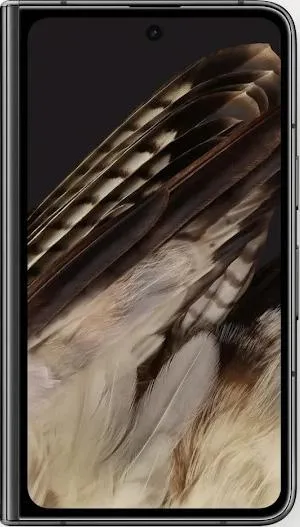
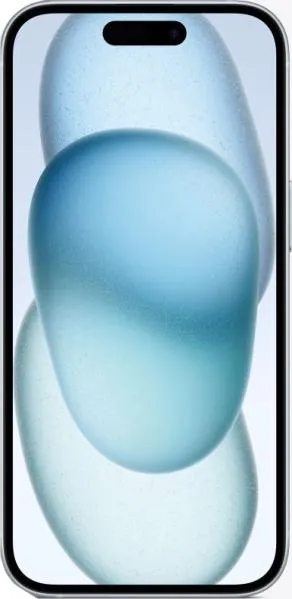
| Form Factor | Foldable | Standard | Pixel Fold offers larger screen real estate for multitasking and media consumption; iPhone 15 is more pocketable. |
| Dimensions (mm) | 139.7 x 158.7 x 5.8 (unfolded) | 147.6 x 71.6 x 7.8 | Pixel Fold is significantly wider unfolded but thinner when folded; iPhone 15 is more compact and one-handed friendly. |
| Weight (g) | 283 | 171 | Pixel Fold is noticeably heavier; iPhone 15 is lighter for extended use. |
| Display | |||
| Display Type | Foldable OLED | Super Retina XDR OLED | Pixel Fold provides a flexible, larger display; iPhone 15 offers a brighter, potentially more durable screen. |
| Size (inches) | 7.6 (unfolded), 5.8 (cover) | 6.1 | Pixel Fold's larger unfolded screen enhances productivity and entertainment; iPhone 15's single screen prioritizes portability. |
| Resolution (px) | 1840 x 2208 (unfolded), 1080 x 2092 (cover) | 1179 x 2556 | Both offer sharp displays; Pixel Fold's unfolded screen provides more overall pixels for detail, while the iPhone 15 boasts higher pixel density for sharpness on its smaller display. |
| Refresh Rate (Hz) | 120 | Unspecified | Pixel Fold's 120Hz delivers smoother animations and scrolling; iPhone 15's refresh rate is unclear, potentially limiting smoothness. |
| Peak Brightness (nits) | 1450 (typical), 1000 (HBM) | 2000 (peak), 1000 (HBM) | iPhone 15 likely offers better outdoor visibility with higher peak brightness. |
| Performance | |||
| Chipset | Google Tensor G2 (5 nm) | Apple A16 Bionic (4 nm) | A16 is generally considered more powerful, potentially leading to faster app loading and smoother performance in demanding tasks. Tensor G2 may offer advantages in AI-driven tasks. |
| CPU | Octa-core | Hexa-core | Both are high-performance CPUs, but architectural differences make direct comparison difficult without benchmarks. |
| GPU | Mali-G710 MP7 | Apple GPU (5-core) | Apple's GPU generally performs better in graphics-intensive tasks like gaming. |
| RAM (GB) | 12 | 6 | Pixel Fold's larger RAM allows for more apps to be held in memory, improving multitasking. |
| Camera | |||
| Rear Camera | 48MP Main + 10.8MP Wide + 10.8MP Telephoto | 48MP Main + 12MP Ultrawide | Pixel Fold offers more versatile zoom capabilities; iPhone 15's camera system is highly rated by DxOMark, suggesting superior overall image quality. |
| DxOMark Score | 133 | 145 | iPhone 15 scores significantly higher on DxOMark, indicating better overall camera performance. |
| Battery | |||
| Capacity (mAh) | 4821 | 3349 | Pixel Fold has a significantly larger battery capacity, potentially leading to longer battery life. However, the larger display consumes more power. |
2. Key Differences Analysis
Google Pixel Fold Advantages:
- Larger, Foldable Display: Enables superior multitasking, content creation, and media consumption.
- Higher RAM: Improved multitasking and app switching performance.
- Larger Battery Capacity: Potentially longer battery life, though impacted by the larger screen.
Apple iPhone 15 Advantages:
- More Powerful Chipset (A16): Likely faster and smoother performance in demanding tasks and games.
- Higher Rated Camera System: DxOMark suggests superior image and video quality.
- Lighter and More Compact: Easier to carry and use one-handed.
- Brighter Display: Better visibility in direct sunlight.
Trade-offs:
- Pixel Fold: Larger size and weight for the foldable screen. Price is higher for the foldable technology.
- iPhone 15: Smaller screen limits multitasking. Smaller battery capacity may result in shorter battery life.
3. User Profiles & Recommendations
Google Pixel Fold: Ideal for users who prioritize a large screen for productivity, multitasking, and media consumption and value the flexibility of a foldable device. Use cases: Content creation, mobile gaming, reading ebooks, watching videos.
Apple iPhone 15: Best suited for users who prefer a compact and lightweight phone with a top-tier camera and smooth performance. Use cases: Everyday communication, social media, photography, light gaming.
4. Decision Framework
Key Questions for Buyers:
- How important is screen size and multitasking? A larger screen enhances productivity and media consumption.
- Do you prioritize portability and one-handed use? A smaller, lighter phone is easier to carry and handle.
- How important is camera quality? The iPhone 15 appears to have a significant edge in camera performance.
Scenario-Based Recommendations:
- Business Professional: Pixel Fold for multitasking and document editing on the go.
- Casual User: iPhone 15 for its ease of use, excellent camera, and compact form factor.
- Content Creator: Pixel Fold for larger screen for editing and consuming content.
My Choice: Apple iPhone 15
While the Pixel Fold is intriguing with its foldable screen, the iPhone 15's superior camera, performance (based on the A16's reputation), and lighter, more pocketable design better suit my needs. I value a smooth user experience, excellent image quality, and portability over a larger screen for multitasking. The iPhone's consistently strong software support and app ecosystem are also compelling factors. Finally, while price wasn't a primary factor in this analysis due to the "medium price" designation for both, the iPhone 15 likely offers a better price-to-performance ratio given the likely lower price point compared to a cutting-edge foldable.
