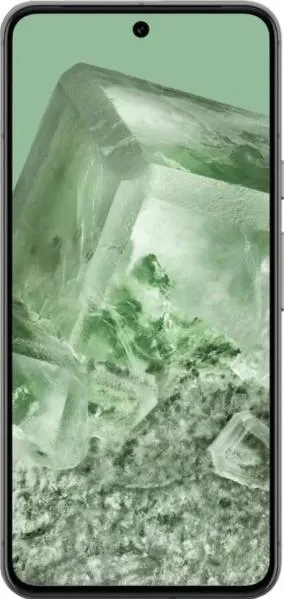

Let's dive into a comparative analysis of the Google Pixel 8 and the ZTE nubia Z60 Ultra, dissecting their specifications and translating them into real-world implications for you.
1. Specifications Breakdown
| Feature | Google Pixel 8 | ZTE nubia Z60 Ultra | Real-World Implications |
|---|---|---|---|
| Design | |||
| Dimensions | 150.5x70.8x8.9mm | 164x76.4x8.8mm | Pixel 8 is noticeably smaller and easier to handle one-handed. Z60 Ultra is larger, approaching tablet territory. |
| Weight | 187g | 246g | Pixel 8 is significantly lighter, reducing hand fatigue during extended use. |
| Display | |||
| Size | 6.2" | 6.8" | Z60 Ultra offers a larger screen for immersive media consumption. Pixel 8 prioritizes portability. |
| Type | OLED, 120Hz | AMOLED, 120Hz | Both offer smooth scrolling and vibrant colors. |
| Peak Brightness | 2000 nits | 1500 nits | Pixel 8's display will be more visible in direct sunlight. |
| Resolution | 1080x2400 | 1116x2480 | Z60 Ultra boasts slightly sharper visuals due to higher resolution, though the difference is subtle. |
| Performance | |||
| Chipset | Google Tensor G3 | Snapdragon 8 Gen 3 | Snapdragon 8 Gen 3 generally benchmarks higher in raw performance, but Tensor G3 excels in AI tasks. |
| CPU | Nona-core | Octa-core | Both offer powerful multi-core performance for demanding applications. |
| GPU | Immortalis-G715s MC10 | Adreno 750 | Adreno 750 generally delivers stronger graphical performance for gaming. |
| RAM | 8GB | 12GB | Z60 Ultra's extra RAM enables smoother multitasking and better handling of demanding apps. |
| Storage | 256GB | 256GB | Both offer ample storage for apps, photos, and videos. |
| Battery Life | |||
| Capacity | 4575 mAh | 6000 mAh | Z60 Ultra's significantly larger battery capacity suggests substantially longer usage time. |
2. Key Insights
Performance Prowess: While the Snapdragon 8 Gen 3 in the Z60 Ultra generally benchmarks higher in raw CPU and GPU performance, the Google Tensor G3 in the Pixel 8 is specifically engineered for AI and machine learning, resulting in superior performance in tasks like voice recognition, image processing, and contextual awareness. This translates to a smoother, more intuitive user experience with features like Google Assistant and live translation.
Display Dilemma: The Z60 Ultra boasts a larger, slightly sharper display ideal for immersive media consumption and gaming. However, the Pixel 8 fights back with a brighter peak brightness, ensuring superior outdoor visibility. The choice here hinges on your priorities: immersive visuals versus practical usability in bright environments.
Portability vs. Powerhouse: The Pixel 8's compact design and lighter weight make it significantly more comfortable for one-handed use and extended periods of holding. The Z60 Ultra, while larger and heavier, packs a substantially larger battery promising significantly longer usage on a single charge. This trade-off between portability and battery life is a key consideration.
3. User Profiles and Recommendations
Pixel 8: Ideal for users who prioritize a seamless, intuitive software experience, a compact and lightweight design, and excellent camera capabilities. Its AI-powered features and bright display make it a strong contender for everyday use.
Z60 Ultra: Best suited for power users who demand top-tier performance for gaming and media consumption, and who value a large screen and extended battery life above all else. Its robust specifications make it a multimedia powerhouse.
4. Buying Decision Framework
- What is your primary use case? (Everyday tasks, gaming, media consumption, photography)
- How important is portability and one-handed usability?
- What is your budget and tolerance for compromises?
Scenario-Based Recommendations:
- Frequent Traveler: Pixel 8 for its portability and bright display.
- Mobile Gamer: Z60 Ultra for its raw performance and large screen.
- Photography Enthusiast: Pixel 8 for its Google-engineered camera software.
My Choice: Google Pixel 8
While the ZTE nubia Z60 Ultra boasts impressive specs on paper, I would choose the Google Pixel 8. My decision is driven by a combination of factors. First, I prioritize a smooth and intuitive user experience, and the Tensor G3's AI capabilities shine in this regard. Google's software optimization and timely updates are also a major draw. Second, I value portability and one-handed usability. The Pixel 8's compact form factor fits my lifestyle better than the Z60 Ultra's larger, heavier build. Finally, while battery life is important, I find the Pixel 8's battery sufficient for my daily needs, and I'm willing to compromise slightly in this area for the overall superior user experience and portability. The brighter display for outdoor use is the cherry on top. The Pixel 8, to me, represents a more balanced and well-rounded package that better aligns with my priorities.
