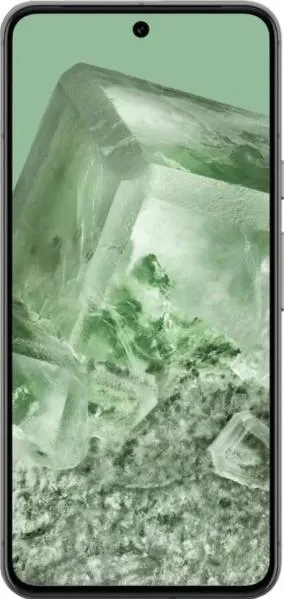
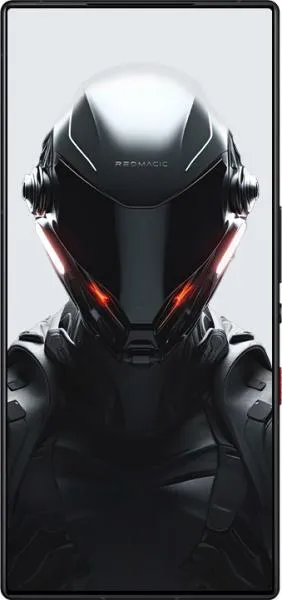
Let's dive into a comparative analysis of the Google Pixel 8 and the ZTE nubia Red Magic 9 Pro, dissecting their specifications and uncovering what they truly offer the user.
1. Specifications Breakdown
| Feature | Google Pixel 8 | ZTE nubia Red Magic 9 Pro | Real-World Implications |
|---|---|---|---|
| Design | |||
| Dimensions | 150.5 x 70.8 x 8.9 mm | 164 x 76.4 x 8.9 mm | Red Magic 9 Pro is significantly larger |
| Weight | 187g | 229g | Pixel 8 is noticeably lighter and more pocketable |
| Display | |||
| Size | 6.2" | 6.8" | Red Magic 9 Pro offers a larger viewing area |
| Type | OLED, 120Hz | AMOLED, 120Hz | Both offer smooth scrolling and vibrant colors |
| Peak Brightness | 2000 nits | 1600 nits | Pixel 8 should be more visible in direct sunlight |
| Resolution | 1080 x 2400 | 1116 x 2480 | Negligible difference in sharpness at this size |
| Performance | |||
| Chipset | Google Tensor G3 | Snapdragon 8 Gen 3 | Snapdragon generally boasts higher benchmark scores, but Tensor G3 excels in AI and machine learning tasks |
| CPU | Nona-core | Octa-core | Core configuration difference; real-world impact depends on optimization |
| GPU | Immortalis-G715s MC10 | Adreno 750 | Adreno 750 likely offers a significant advantage in raw graphical power |
| RAM | 8GB | 16GB | Red Magic 9 Pro offers significantly more RAM for multitasking and demanding applications |
| Storage | 256GB | 512GB | Red Magic 9 Pro offers double the storage |
| Battery Life | |||
| Capacity | 4575 mAh | 6000 mAh | Red Magic 9 Pro likely to have significantly longer battery life |
2. Key Insights
Performance Powerhouse vs. AI Champ: The Red Magic 9 Pro, with its Snapdragon 8 Gen 3 and 16GB of RAM, screams performance. It's built for demanding gaming and heavy multitasking. The Pixel 8, however, leverages the Tensor G3 for superior AI capabilities, translating to a smoother, more intuitive user experience, particularly in areas like photography, voice assistance, and on-device learning.
Display Differences: While both phones offer 120Hz refresh rates, the Pixel 8's brighter display promises better outdoor visibility. The Red Magic's larger screen is more immersive for media consumption and gaming.
Size and Weight Considerations: The Pixel 8's compact design and lighter weight make it more comfortable for one-handed use and pocket portability. The Red Magic 9 Pro prioritizes screen real estate and a larger battery, making it bulkier.
3. User Profiles and Recommendations
Pixel 8: Ideal for users who value a seamless software experience, a compact form factor, and excellent camera capabilities. This phone excels in everyday tasks, content creation, and AI-driven features.
Red Magic 9 Pro: Perfect for mobile gamers, power users, and anyone who demands top-tier performance and extensive multitasking capabilities. The massive battery and storage further cater to these needs.
4. Buying Decision Framework
What are your primary use cases? Gaming and heavy multitasking? Red Magic 9 Pro. Everyday tasks, photography, and a smooth AI experience? Pixel 8.
Do you prioritize portability and one-handed use? If so, the Pixel 8's smaller size and weight are significant advantages.
How important is battery life? The Red Magic 9 Pro's larger battery capacity likely translates to significantly longer usage between charges.
My Choice: As Alex Griffin, I'd choose the Pixel 8. While I appreciate the raw power of the Red Magic 9 Pro, my daily workflow centers around communication, content creation, and a fluid user experience. The Pixel 8's AI-powered features, compact design, and excellent camera align perfectly with my needs. The Tensor G3's on-device processing capabilities for tasks like photo editing and real-time transcription are invaluable to me. While the Red Magic 9 Pro offers tempting specs for gaming, it's simply more phone than I need. The Pixel 8 strikes the perfect balance between performance, intelligence, and portability.
