Google Pixel 8 vs. ZTE nubia Flip: A Deep Dive for the Discerning User
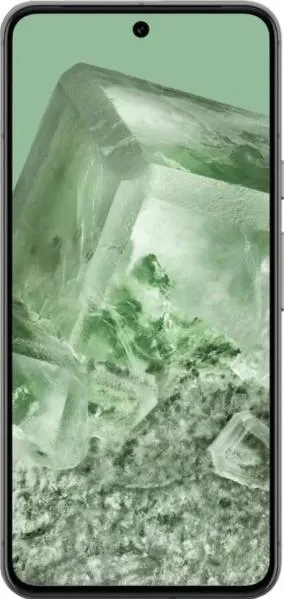
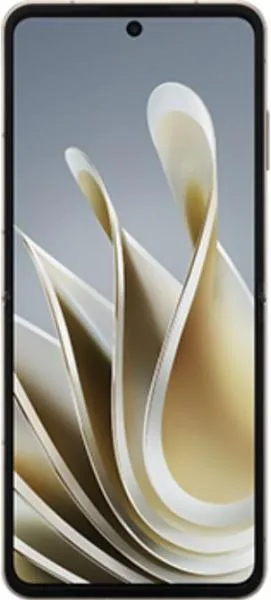
The smartphone landscape is ever-evolving, with new contenders constantly vying for our attention. Today, we'll dissect two intriguing devices: the Google Pixel 8, a flagship focused on refined experience, and the ZTE nubia Flip, a foldable phone aiming to redefine mobile interactions. Let's delve into the specifics and uncover what each brings to the table.
1. Specifications Breakdown
| Feature | Google Pixel 8 | ZTE nubia Flip | Real-World Implications |
|---|---|---|---|
| Design | |||
| Dimensions | 150.5x70.8x8.9mm | 170x75.5x7mm | Pixel 8 is more pocketable; nubia Flip is thinner when folded but significantly taller when open. |
| Weight | 187g | 214g | Pixel 8 is noticeably lighter for one-handed use. |
| Foldable | No | Yes | Nubia Flip offers a larger screen in a compact folded size, but with added complexity. |
| Display | |||
| Size | 6.2" | 6.9" | Nubia Flip provides a more immersive viewing experience when unfolded. |
| Type | OLED, 120Hz | Foldable OLED, 120Hz | Both offer smooth scrolling and vibrant colors; nubia Flip's crease might be noticeable. |
| Resolution | 1080x2400 | 1188x2790 | Nubia Flip boasts sharper visuals due to higher resolution and larger screen size. |
| Peak Brightness | 2000 nits | N/A | Pixel 8 excels in outdoor visibility. |
| Performance | |||
| Chipset | Google Tensor G3 | Snapdragon 7 Gen 1 | Tensor G3 is likely optimized for AI and specific Google tasks; Snapdragon offers broader compatibility. |
| CPU | Nona-core | Octa-core | Core count difference less crucial than architecture; real-world performance needs testing. |
| GPU | Immortalis-G715s MC10 | Adreno 644 | Immortalis-G715s likely more powerful, impacting gaming and demanding tasks. |
| RAM | 8GB | 8GB | Both offer ample RAM for multitasking. |
| Storage | 256GB | 256GB | Equivalent storage capacity on both devices. |
| Battery | |||
| Capacity | 4575 mAh | 4310 mAh | Pixel 8 has slightly larger battery, but real-world battery life depends on usage and optimization. |
2. Key Insights
The Pixel 8 prioritizes a refined, pocketable experience with its powerful Tensor G3 chip, bright display, and clean Android experience. Its strength lies in software optimization, AI capabilities, and a seamless user interface.
The nubia Flip pushes the boundaries with its foldable design, offering a larger screen real estate for productivity and entertainment. However, it relies on a less powerful processor and its battery life remains to be seen in real-world testing. The potential durability of the folding mechanism is also a key consideration.
3. User Profiles and Recommendations
Pixel 8: Ideal for users who value a smooth, intuitive Android experience, excellent camera capabilities, and a compact form factor. Great for everyday tasks, photography enthusiasts, and those entrenched in the Google ecosystem.
nubia Flip: Best suited for users who prioritize a larger screen for multitasking, media consumption, and unique form factor. Appealing to early adopters, those who value portability and screen size, and are willing to embrace the foldable technology trade-offs.
4. Buying Decision Framework
- What is your priority: portability or screen size? If pocketability is paramount, the Pixel 8 wins. If a larger display for productivity and media is key, the nubia Flip is the choice.
- How important is raw processing power versus optimized software? Gamers and power users might lean towards the Pixel 8 with its potentially more powerful GPU. Those prioritizing AI features and seamless Google integration would prefer the Pixel's Tensor G3.
- Are you comfortable with a foldable device or prefer a traditional smartphone? Foldables are still a relatively new technology; consider your comfort level with potential durability concerns and the crease.
My Choice: The Google Pixel 8
While the nubia Flip is intriguing, I'd personally choose the Pixel 8. My priorities lie in a refined user experience, powerful performance for demanding tasks, and a compact form factor for everyday carry. The Pixel's consistent track record of excellent camera quality, clean Android software, and Google's commitment to software updates solidify my decision. I value the seamless integration within the Google ecosystem and the likely superior performance of the Tensor G3 for AI-driven tasks. While the foldable technology is exciting, I'm not yet convinced it outweighs the potential trade-offs in durability and daily usability for my personal needs.
