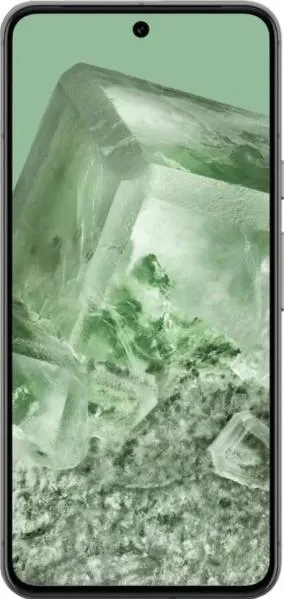
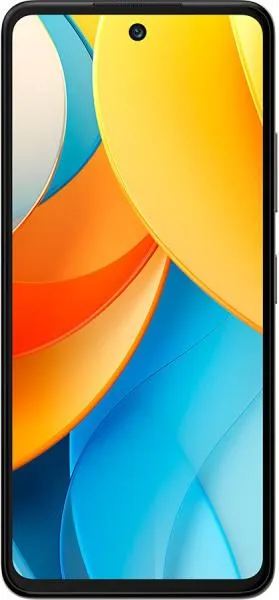
Google Pixel 8 vs. ZTE Blade V60 Design: A Comparative Analysis
Let's dissect the Google Pixel 8 and the ZTE Blade V60 Design, two smartphones catering to different segments of the market. We'll delve into the specs, translate them into real-world experiences, and help you determine which device might be your perfect fit.
1. Specifications Breakdown
| Feature | Google Pixel 8 | ZTE Blade V60 Design | Real-World Implications |
|---|---|---|---|
| Design | |||
| Dimensions | 150.5x70.8x8.9mm | 164.2x75.3x8.6mm | Pixel 8 is noticeably more compact, easier for one-handed use and pocket portability. Blade V60 Design is larger, potentially more cumbersome. |
| Weight | 187g | 198g | Pixel 8 feels lighter in hand, reducing fatigue during extended use. |
| Build Materials | Aluminum frame, Gorilla Glass Victus | Plastic Frame | Pixel 8 offers a more premium feel and potentially better durability due to its aluminum frame and Gorilla Glass Victus. |
| Display | |||
| Display Type | OLED, 120Hz | IPS LCD, 90Hz | Pixel 8 delivers deeper blacks, more vibrant colors, and smoother scrolling thanks to OLED technology and a higher refresh rate. Blade V60 Design's LCD is less power-efficient. |
| Resolution | 1080x2400 | 720x1612 | Pixel 8 boasts sharper visuals due to its higher resolution. Blade V60 Design's resolution is noticeably lower, resulting in less detailed images and text. |
| Peak Brightness | 2000 nits | N/A | Pixel 8's exceptional brightness ensures excellent outdoor visibility even in direct sunlight. Lack of data for Blade V60 Design makes direct comparison impossible. |
| Performance | |||
| Chipset | Google Tensor G3 | Unisoc T606 | Pixel 8's Tensor G3, with its AI capabilities, offers significantly faster processing, smoother multitasking, and superior gaming performance compared to the Blade V60 Design's Unisoc T606. |
| RAM | 8GB | 6GB | Pixel 8's larger RAM allows for more apps to run in the background without performance slowdown. |
| Storage | 256GB | 256GB | Both offer ample storage for apps, photos, and videos. |
| Battery Life | |||
| Battery Capacity | 4575 mAh | 5000 mAh | Blade V60 Design boasts a larger battery capacity, potentially offering longer usage time. However, Pixel 8's more efficient OLED display and optimized software could offset this. |
| Other | |||
| OS | Android 14 | Android 13 | Pixel 8 comes with the latest Android version, offering newer features and security updates. |
2. Key Insights
The Pixel 8 excels in overall performance, display quality, and software experience. The Tensor G3 chip, coupled with the vibrant 120Hz OLED display, delivers a premium user experience. Its compact form factor also enhances portability.
The Blade V60 Design, on the other hand, positions itself as a budget-friendly option. Its strengths lie primarily in its larger battery capacity and ample storage. However, it compromises significantly on processing power, display quality, and overall build quality.
3. User Profiles and Recommendations
Pixel 8: Ideal for users who prioritize performance, a fluid user experience, a premium display, and the latest software features. Photographers and videographers will also appreciate the superior camera capabilities (not detailed in the provided specs but generally expected from Pixel phones).
Blade V60 Design: Suitable for budget-conscious users who prioritize basic functionality, long battery life, and ample storage for media consumption. It's a good option for less demanding tasks like browsing, social media, and light gaming.
4. Buying Decision Framework
- What is your budget? If price is a primary concern, the Blade V60 Design is the more affordable option.
- What are your performance expectations? For demanding tasks and a smooth user experience, the Pixel 8 is the clear winner.
- How important is display quality? If you value vibrant colors, deep blacks, and a smooth scrolling experience, the Pixel 8's OLED display is superior.
My Choice: I would choose the Google Pixel 8. While the Blade V60 Design offers a larger battery and lower price, the Pixel 8's superior performance, stunning display, more compact form factor, and the promise of timely software updates are far more compelling to me. The overall user experience offered by the Pixel 8 justifies the higher price tag, especially for someone who values a responsive and enjoyable interaction with their smartphone. The foundation of a powerful processor and a high-quality display significantly impacts daily usage, making the Pixel 8 a more future-proof investment.
