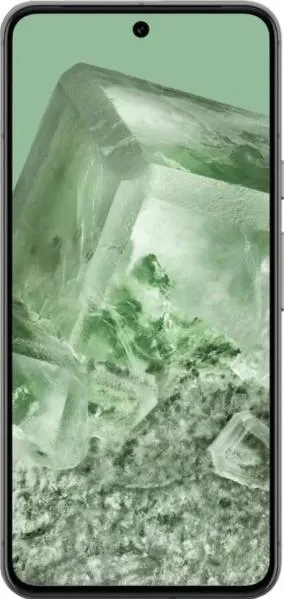
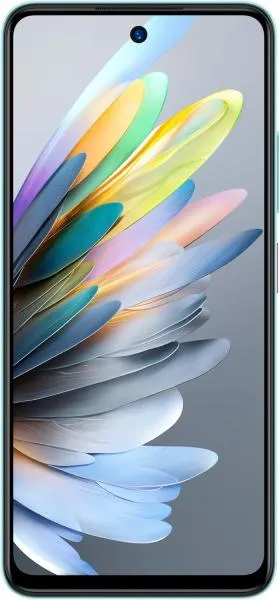
Google Pixel 8 vs. ZTE Blade A75 4G: A Deep Dive Comparison
Let's dissect the Google Pixel 8 and the ZTE Blade A75 4G, two smartphones targeting different segments of the market. We'll go beyond the spec sheet to understand what these differences truly mean for you, the user.
1. Specifications Breakdown
| Feature | Google Pixel 8 | ZTE Blade A75 4G | Real-World Implications |
|---|---|---|---|
| Design | |||
| Dimensions | 150.5x70.8x8.9mm | 164.1x75.8x8.6mm | Pixel 8 is noticeably more compact, easier for one-handed use and pocket portability. |
| Weight | 187g | 189g | Negligible weight difference in real-world usage. |
| Build Materials | Glass/Aluminum | Plastic | Pixel 8 offers a more premium feel and potentially better durability. A75 might feel less premium but could be more resistant to minor drops. |
| Display | |||
| Size | 6.2" | 6.6" | A75 offers a larger screen for media consumption, but the Pixel 8's size is still ample for most tasks. |
| Type | OLED, 120Hz | IPS LCD, 90Hz | Pixel 8's OLED delivers richer colors, deeper blacks, and smoother scrolling thanks to the higher refresh rate. A75's LCD is less vibrant. |
| Resolution | 1080x2400 | 720x1612 | Pixel 8 boasts significantly sharper visuals due to higher resolution and pixel density. |
| Peak Brightness | 2000 nits | N/A | Pixel 8's exceptional brightness ensures excellent outdoor visibility. Lack of data for A75 suggests a standard brightness level. |
| Performance | |||
| Chipset | Google Tensor G3 | Unisoc T606 | Pixel 8's Tensor G3 offers significantly faster processing, superior AI capabilities, and smoother multitasking compared to the budget T606. |
| CPU | Nona-core | Octa-core | Core count is less relevant than architecture. Pixel 8's cores are individually more powerful and efficient. |
| GPU | Immortalis-G715s | Mali-G57 MP1 | Pixel 8's GPU provides a substantial advantage in gaming and graphics-intensive tasks. A75 is suited for casual gaming but not demanding titles. |
| RAM | 8GB | 4GB | Pixel 8's larger RAM enables smoother multitasking and faster app loading. A75 might experience slowdowns with multiple apps open. |
| Storage | 256GB | 256GB | Both offer ample storage, but the Pixel 8's faster storage technology will result in quicker app launches and file transfers. |
| Camera | Data not provided for detailed comparison, but Pixel's camera prowess is well established. Expect superior image quality from the Pixel 8. | ||
| Battery Life | |||
| Capacity | 4575 mAh | 5000 mAh | While the A75 has a larger battery, the Pixel 8's more efficient processor could result in comparable or even better real-world battery life. |
2. Key Insights
The Pixel 8 is a clear flagship contender. Its Tensor G3 chip, brilliant OLED display, and refined design place it in a different league. Expect a premium user experience with blazing-fast performance, stunning visuals, and advanced camera capabilities (though detailed camera specs weren't provided).
The ZTE Blade A75 4G, on the other hand, is a budget-oriented device aimed at providing essential smartphone functionality. Its strengths lie in its affordability and large battery. However, performance limitations are expected given the Unisoc T606 processor and lower RAM.
3. User Profiles and Recommendations
Pixel 8: Ideal for users who prioritize performance, a premium experience, a vibrant display, and advanced camera features. Power users, gamers, and content creators will appreciate its capabilities.
ZTE Blade A75 4G: Suitable for budget-conscious users who primarily need a device for basic communication, social media, and light web browsing. Its large battery might appeal to users who prioritize long usage times between charges.
4. Buying Decision Framework
- What is your budget? The Pixel 8 sits in the medium price range while the A75 is a low-price option.
- What are your primary smartphone needs? Heavy usage demands the Pixel 8's power. Light usage might find the A75 sufficient.
- Do you value a premium experience? The Pixel 8 delivers in build quality, display, and performance. The A75 prioritizes affordability.
My Choice: I would choose the Google Pixel 8. While the ZTE Blade A75 4G offers a larger battery and more storage for a lower price, the significantly superior performance, display quality, and overall user experience of the Pixel 8 are far more compelling to me. As a tech enthusiast and someone who values a smooth and responsive device, the compromises on the A75, particularly in processing power and display technology, would be too significant. The Pixel 8's investment in a powerful processor, vibrant OLED display, and advanced software features aligns more closely with my needs and priorities. I am willing to pay more for a device that delivers a truly flagship-level experience.
