
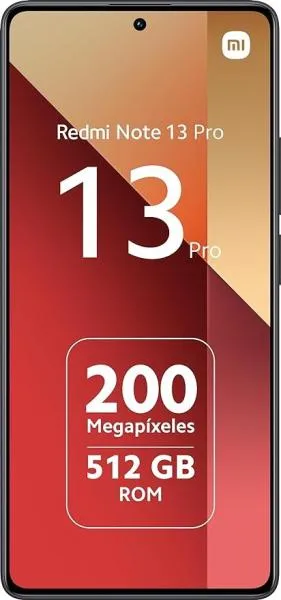
Let's dive into a comprehensive comparison of the Google Pixel 8 and the Xiaomi Redmi Note 13 Pro 4G, dissecting their specifications and uncovering what they truly offer the everyday user.
1. Specifications Breakdown
| Feature | Google Pixel 8 | Xiaomi Redmi Note 13 Pro 4G | Real-World Implications |
|---|---|---|---|
| Design | |||
| Dimensions | 150.5x70.8x8.9mm | 161.1x75x8mm | Pixel 8 is noticeably more compact, potentially easier for one-handed use. Redmi is slimmer. |
| Weight | 187g | 188g | Negligible weight difference in real-world usage. |
| Build Materials | N/A | N/A | Build quality and durability remain unknown without further information. |
| Display | |||
| Size | 6.2" | 6.67" | Redmi offers a larger screen for more immersive media consumption. |
| Type | OLED, 120Hz | AMOLED, 120Hz | Both offer vibrant colors and smooth scrolling. OLED generally offers deeper blacks. |
| Resolution | 1080x2400 | 1080x2400 | Identical resolution; sharpness will be similar, but slightly higher pixel density on the Pixel 8. |
| Peak Brightness | 2000 nits | 1300 nits | Pixel 8's significantly higher brightness ensures better outdoor visibility. |
| Performance | |||
| Chipset | Google Tensor G3 | Mediatek Helio G99 Ultra | Tensor G3, being newer and higher-end, is expected to deliver significantly better performance. |
| CPU | Nona-core | Octa-core | Tensor G3's architecture is more modern and powerful. |
| GPU | Immortalis-G715s MC10 | Mali-G57 MC2 | Immortalis-G715s MC10 offers a substantial leap in graphical performance for demanding games and apps. |
| RAM | 8GB | 8GB/12GB | Redmi offers a 12GB RAM option for enhanced multitasking, though 8GB is generally sufficient. |
| Storage | 256GB | 256GB/512GB | Both offer ample storage, Redmi provides a larger 512GB option for power users. |
| Battery Life | |||
| Capacity | 4575 mAh | 5000 mAh | Redmi boasts a larger battery, potentially translating to longer usage time. |
| Charging | N/A | N/A | Charging speeds are crucial but remain unknown. |
| Software | |||
| OS | Android 14 | Android 13 | Pixel 8 ships with the latest Android version, offering newer features and longer security updates. |
| Other | |||
| Video Capabilities | Up to 4K@240fps | Up to 1080p@60fps | Pixel 8 offers significantly superior video recording capabilities. |
2. Key Insights
The Pixel 8 clearly shines in performance, display brightness, software, and video recording. The Tensor G3 chip and its advanced GPU promise a smooth, responsive experience even with demanding tasks. The brighter display ensures excellent outdoor readability. Running the latest Android 14 guarantees access to the newest features and security patches. Its superior video recording capabilities make it ideal for content creators.
The Redmi Note 13 Pro 4G, however, counters with a larger battery and display, making it potentially better for media consumption and extended use. It also offers a more affordable price point, especially considering the 12GB RAM and 512GB storage options.
3. User Profiles and Recommendations
Pixel 8: Best suited for users who prioritize performance, a premium user experience, the latest software, a compact form factor, and excellent camera/video capabilities. Ideal for power users, gamers, photographers, and videographers.
Redmi Note 13 Pro 4G: Best for budget-conscious users who value a large screen and long battery life for media consumption and general daily use. Suitable for students, casual users, and those who prioritize affordability.
4. Buying Decision Framework
- What is your budget? The Redmi is likely more affordable.
- What are your performance needs? For demanding tasks and gaming, the Pixel 8 is superior.
- What is more important: latest software and features, or battery life and screen size? The Pixel 8 wins on software, the Redmi on battery and screen size.
My Choice: Google Pixel 8
While the Redmi Note 13 Pro 4G offers compelling value, I'd choose the Google Pixel 8. The superior performance of the Tensor G3, coupled with the brighter display, latest Android version, compact size, and advanced video capabilities, aligns better with my needs as a tech enthusiast and someone who values a smooth, future-proofed user experience. The price difference is justifiable for the significant performance leap and premium features. The slightly smaller battery is a trade-off I'm willing to make for the overall package.
