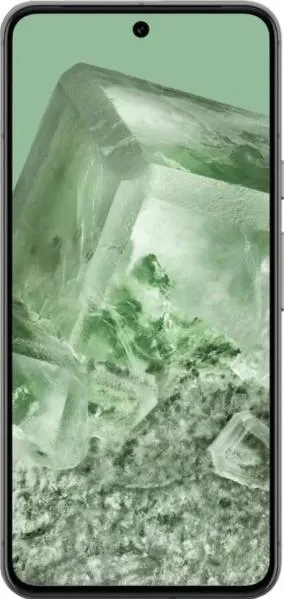
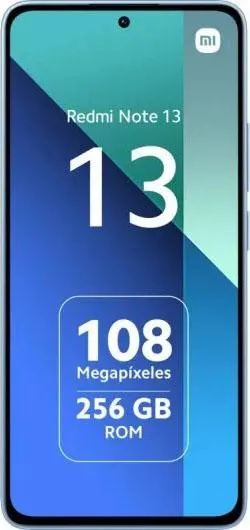
Google Pixel 8 vs. Xiaomi Redmi Note 13 4G: A Deep Dive
Let's dissect the Google Pixel 8 and the Xiaomi Redmi Note 13 4G, going beyond the spec sheet to understand what these devices offer in the real world.
1. Specifications Breakdown
| Feature | Google Pixel 8 | Xiaomi Redmi Note 13 4G | Real-World Implications |
|---|---|---|---|
| Design | |||
| Dimensions | 150.5 x 70.8 x 8.9 mm | 162.3 x 75.6 x 8 mm | Pixel 8 is more compact and pocketable; Redmi Note 13 4G is larger, potentially better for media consumption. |
| Weight | 187g | 188.5g | Negligible weight difference in practical use. |
| Build Materials | Aluminum frame, glass back | Plastic frame, glass back | Pixel 8's aluminum frame offers a more premium feel and potentially better durability. |
| Display | |||
| Display Type | OLED, 120Hz, HDR10+ | AMOLED, 120Hz | Both offer smooth scrolling and vibrant colors; Pixel 8's HDR10+ support provides better dynamic range. |
| Size | 6.2 inches | 6.67 inches | Redmi Note 13 4G offers a larger screen for more immersive content. |
| Resolution | 1080 x 2400 | 1080 x 2400 | Identical resolution, sharpness will be similar. Redmi's larger display means slightly lower pixel density. |
| Peak Brightness | 2000 nits | 1800 nits | Pixel 8's superior brightness ensures better visibility outdoors. |
| Performance | |||
| Chipset | Google Tensor G3 (4nm) | Snapdragon 685 (6nm) | Tensor G3 significantly outperforms the Snapdragon 685 in demanding tasks and AI processing. |
| CPU | Nona-core (Cortex-X3, A715, A510) | Octa-core (Cortex-A73, A53) | Pixel 8's more modern and powerful CPU architecture delivers superior performance and efficiency. |
| GPU | Immortalis-G715s MC10 | Adreno 610 | Pixel 8 offers a far more powerful GPU, crucial for gaming and graphics-intensive applications. |
| RAM | 8GB | 8GB | Both have sufficient RAM for multitasking. |
| Camera (Partial Data) | |||
| Video Capabilities | 4K@60fps, 1080p@240fps | 1080p@30fps | Pixel 8 boasts significantly superior video recording capabilities with higher resolution and frame rates. |
| Battery Life | |||
| Capacity | 4575 mAh | 5000 mAh | Redmi Note 13 4G has a larger battery capacity, potentially leading to longer battery life. |
| Software | |||
| Operating System | Android 14 | Android 13 | Pixel 8 runs the latest Android version with guaranteed updates for longer. |
2. Key Insights
- Performance: The Pixel 8's Tensor G3 chip is a clear winner, offering significantly better performance for demanding tasks, gaming, and AI-powered features. The Redmi Note 13 4G's Snapdragon 685 is adequate for everyday use but will struggle with more intensive workloads.
- Display: Both phones offer smooth 120Hz displays. However, the Pixel 8's OLED panel with HDR10+ delivers superior dynamic range and peak brightness, resulting in a more vibrant and enjoyable viewing experience, especially outdoors. While the Redmi Note 13 offers a larger display, the Pixel 8's superior quality makes a noticeable difference.
- Camera: Based on the limited video specs, the Pixel 8 dramatically outperforms the Redmi Note 13 4G in video recording capabilities. We can infer that its overall camera performance will likely be superior, given Google's focus on computational photography.
- Software & Updates: The Pixel 8 benefits from running the latest Android 14 and will receive guaranteed OS and security updates for several years, ensuring a longer software lifespan and access to new features. The Redmi Note 13 4G's update situation is less certain.
- Battery: While the Redmi Note 13 4G boasts a larger battery, the Pixel 8's Tensor G3 chip is designed for power efficiency. Real-world battery life will depend on usage patterns, but the Pixel's advanced chip could offset the Redmi's capacity advantage.
3. User Profiles and Recommendations
- Pixel 8: Best suited for users who prioritize performance, a premium user experience, consistent software updates, a top-tier camera, and a compact form factor. Ideal for power users, gamers, photography enthusiasts, and those who value a polished software experience.
- Redmi Note 13 4G: A good choice for budget-conscious users who prioritize battery life and a large display for media consumption. Suitable for casual users, students, and those who primarily use their phones for browsing, social media, and light gaming.
4. Buying Decision Framework
- What is your budget and what do you value most in a smartphone? If budget is tight and battery life/screen size are paramount, the Redmi Note 13 4G is a contender. If you prioritize performance, camera quality, and software updates, the Pixel 8 is worth the extra investment.
- How important is gaming and overall performance to you? If you're a mobile gamer or demand a consistently smooth and responsive experience, the Pixel 8's superior hardware is essential.
- How long do you plan to keep your phone? If you typically upgrade every year or two, software updates might be less critical. However, if you prefer longer upgrade cycles, the Pixel 8's guaranteed updates offer peace of mind.
My Choice: I would choose the Google Pixel 8. While the Redmi Note 13 4G offers a larger battery and screen, the Pixel 8's superior performance, significantly better camera (based on the available data), guaranteed software updates, more compact design, and premium build quality align better with my priorities. As a tech enthusiast, I value a smooth, powerful, and future-proof device, and the Pixel 8 delivers on those fronts. The Tensor G3's AI capabilities are also compelling, promising unique and innovative features. While the Redmi Note 13 4G offers good value for its price, the Pixel 8 represents a more well-rounded and compelling package in the long run.
