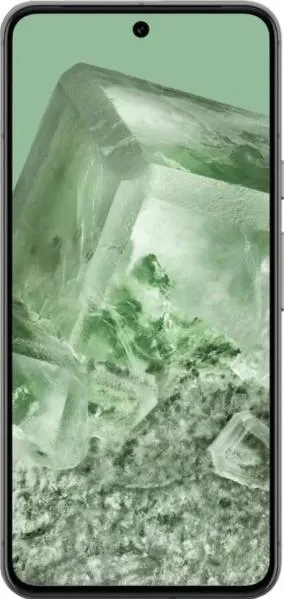
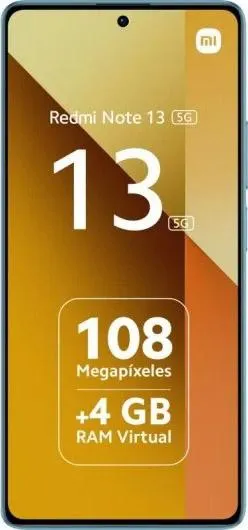
Let's dive into a comparative analysis of the Google Pixel 8 and the Xiaomi Redmi Note 13, dissecting their specifications and uncovering what they truly offer the everyday user.
1. Specifications Breakdown
| Feature | Google Pixel 8 | Xiaomi Redmi Note 13 | Real-World Implications | Category |
|---|---|---|---|---|
| Dimensions | 150.5 x 70.8 x 8.9 mm | 161.1 x 75 x 7.6 mm | Pixel 8 is more compact and potentially easier to handle; Redmi Note 13 might offer a better grip. | Design |
| Weight | 187g | 174.5g | Redmi Note 13 is noticeably lighter, reducing hand fatigue during extended use. | Design |
| Display Type | OLED, 120Hz | AMOLED, 120Hz | Both offer smooth scrolling and vibrant colors; OLED generally boasts deeper blacks. | Display |
| Display Size | 6.2" | 6.67" | Redmi Note 13 provides more screen real estate for media consumption; Pixel 8 is more pocketable. | Display |
| Peak Brightness | 2000 nits | 1000 nits | Pixel 8's display will be significantly more visible in direct sunlight. | Display |
| Resolution | 1080 x 2400 | 1080 x 2400 | Identical resolution, resulting in similar sharpness considering the size difference. | Display |
| Chipset | Google Tensor G3 | Mediatek Dimensity 6080 | Pixel 8's Tensor G3 is expected to deliver superior performance, especially in AI tasks. | Performance |
| CPU | Nona-core | Octa-core | Pixel 8's more advanced architecture likely translates to faster processing and multitasking. | Performance |
| GPU | Immortalis-G715s MC10 | Mali-G57 MC2 | Pixel 8 should offer a significant advantage in graphics-intensive applications and gaming. | Performance |
| RAM | 8GB | 8GB/12GB | Redmi Note 13 offers a 12GB RAM option for potentially smoother multitasking. | Performance |
| Battery | 4575 mAh | 5000 mAh | Redmi Note 13 boasts a larger battery capacity, potentially leading to longer usage time. | Battery |
| OS | Android 14 | Android 13 | Pixel 8 comes with the latest Android version, offering newer features and longer software support. | Software |
| Charging | USB-C 3.2 | USB-C 2.0 | Pixel 8's USB 3.2 enables faster data transfer and potentially quicker charging. | Connectivity |
| Price Range | Medium | Low | Redmi Note 13 positions itself as a more budget-friendly option. | Value |
2. Key Insights
The Pixel 8, powered by Google's Tensor G3, prioritizes performance and AI capabilities. Its brighter display ensures excellent outdoor visibility. The Redmi Note 13, on the other hand, focuses on affordability and battery life, with its larger 5000 mAh battery and lower price point.
The Pixel 8 will shine in tasks involving AI processing, complex multitasking, and demanding applications. Its superior display makes it ideal for outdoor use. The Redmi Note 13 excels in providing extended battery life for users who prioritize all-day usage without frequent charging.
A key trade-off is the Pixel's higher price for its superior performance. The Redmi Note 13 compromises on processing power and peak display brightness for a longer-lasting battery and lower cost.
3. User Profiles and Recommendations
Pixel 8: Ideal for users who value a smooth, powerful experience, prioritize a bright and vibrant display, and utilize Google's ecosystem extensively. Power users, photographers, and content creators would likely appreciate its capabilities.
Redmi Note 13: Best suited for budget-conscious users who prioritize battery life and casual usage. Students, social media users, and those seeking a large screen for media consumption would find it a suitable choice.
4. Buying Decision Framework
- What is your budget? If price is a major constraint, the Redmi Note 13 is the clear winner.
- What are your primary use cases? For demanding tasks, photography, and a premium user experience, the Pixel 8 is the better choice. For casual use, long battery life, and media consumption, the Redmi Note 13 is sufficient.
- How important is software support and future updates? The Pixel 8, with its newer Android version and Google's commitment to updates, will receive longer software support.
My Choice: Personally, I would choose the Google Pixel 8. While the Redmi Note 13 offers enticing value, I prioritize a fluid and powerful user experience. The Tensor G3's AI capabilities, the brighter display, and the longer software support align more closely with my needs and usage patterns. I appreciate having a phone that can handle demanding tasks efficiently and provide a consistently smooth experience. The compact form factor of the Pixel 8 also appeals to me more than the larger Redmi Note 13. While battery life is important, I'm willing to compromise slightly in that area for the overall performance and user experience advantages offered by the Pixel 8.
