
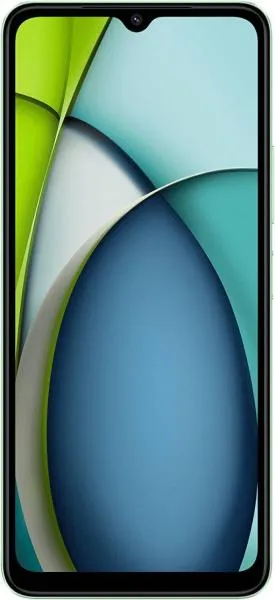
Google Pixel 8 vs. Xiaomi Redmi A3x: A Deep Dive
Let's dissect the Google Pixel 8 and the Xiaomi Redmi A3x, two smartphones targeting different segments of the market. My goal here isn't just to list specs, but to translate them into what you'll actually experience using these phones.
1. Specifications Breakdown
| Feature | Google Pixel 8 | Xiaomi Redmi A3x | Real-World Implications |
|---|---|---|---|
| Design | |||
| Dimensions | 150.5x70.8x8.9mm | 168.4x76.3x8.3mm | Pixel 8 is noticeably smaller and more pocketable. Redmi A3x is larger, potentially less ergonomic. |
| Weight | 187g | 193g | Pixel 8 is slightly lighter. |
| Build Quality | Premium Materials (assumed) | Plastic (assumed) | Pixel 8 likely feels more premium and durable. |
| Display | |||
| Display Type | OLED, 120Hz | IPS LCD, 90Hz | Pixel 8 offers deeper blacks, vibrant colors, smoother scrolling, and potentially better outdoor visibility. |
| Resolution | 1080x2400 | 720x1650 | Pixel 8 significantly sharper, crisper text and images. |
| Peak Brightness | 2000 nits | 500 nits (typical) | Pixel 8 far brighter, excellent outdoor readability. Redmi A3x struggles in sunlight. |
| Refresh Rate | 120Hz | 90Hz | Pixel 8 provides a more fluid and responsive user interface. |
| Performance | |||
| Chipset | Google Tensor G3 (4nm) | Unisoc T603 (22nm) | Pixel 8 significantly faster and more power efficient. Expect smoother multitasking and gaming. |
| CPU | Nona-core (3.0 GHz Cortex-X3...) | Octa-core 1.8 GHz | Pixel 8 much more powerful CPU, handles demanding tasks with ease. |
| GPU | Immortalis-G715s MC10 | Mali-G57 MP1 | Pixel 8 drastically better GPU, superior gaming and graphics performance. |
| RAM | 8GB | 4GB | Pixel 8 better for multitasking; apps stay open in the background longer. |
| Storage | 256GB | 128GB | Pixel 8 offers double the storage. |
| Other | |||
| Battery | 4575 mAh | 5000 mAh | Redmi A3x has larger battery capacity, but Pixel 8's efficiency could result in similar battery life. |
| OS | Android 14 | Android 14, limited updates | Pixel 8 will receive longer software updates and security patches. |
| NFC | Yes | No | Pixel 8 allows for contactless payments and other NFC functionalities. |
2. Key Insights
The Pixel 8 is a clear flagship contender, boasting a cutting-edge display, powerful processor, and refined software experience. The Redmi A3x, on the other hand, prioritizes affordability.
Pixel 8 Advantages: Superior performance, vibrant display, premium design, timely software updates, and advanced camera features (not detailed in provided specs, but expected based on previous Pixel generations).
Redmi A3x Advantages: Larger battery capacity and lower price point.
3. User Profiles and Recommendations
Pixel 8: For users who demand top-tier performance, a fluid user experience, a great camera, and the latest software. Ideal for power users, gamers, photographers, and anyone who values a premium smartphone experience.
Redmi A3x: Best suited for budget-conscious users who prioritize basic functionality and long battery life. Suitable for light users who primarily use their phones for calling, texting, browsing, and social media.
4. Buying Decision Framework
- What is your budget? If price is a primary concern, the Redmi A3x is the more affordable option.
- What is your usage pattern? Heavy users will appreciate the Pixel 8's performance. Light users might find the Redmi A3x sufficient.
- What features are most important to you? Prioritize performance, display, and camera? Choose the Pixel 8. Prioritize battery life and affordability? Choose the Redmi A3x.
My Choice: Google Pixel 8
If I were choosing between these two, I'd go with the Google Pixel 8. The superior processor, stunning display, and guarantee of long-term software updates are crucial for me. I value a smooth, responsive user experience, and the Pixel 8 delivers that in spades. While the Redmi A3x offers a larger battery, the Pixel 8's power efficiency likely compensates for this difference. The significantly enhanced performance and premium features of the Pixel 8 justify the higher price for my needs. The ability to effortlessly run demanding applications, capture high-quality photos and videos (assumed based on Pixel history), and enjoy the latest Android features for years to come far outweighs the price difference for me. Ultimately, I believe in investing in technology that enhances productivity and provides a seamless user experience, which is what the Pixel 8 promises.
