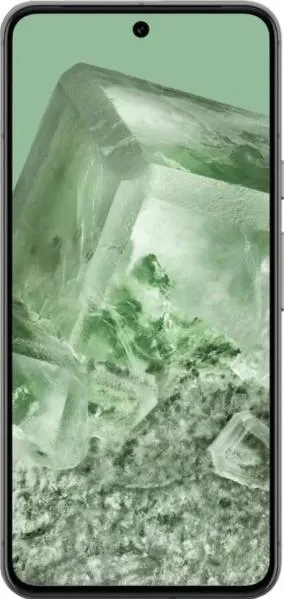
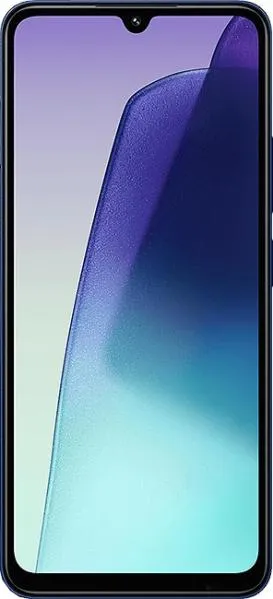
Google Pixel 8 vs. Xiaomi Redmi 14C: A Detailed Comparison
Let's dive deep into a comparative analysis of the Google Pixel 8 and the Xiaomi Redmi 14C, dissecting their specifications and uncovering what they truly offer in real-world usage.
1. Specifications Breakdown
| Feature | Google Pixel 8 | Xiaomi Redmi 14C | Real-World Implications |
|---|---|---|---|
| Design | |||
| Dimensions | 150.5x70.8x8.9mm | 171.9x77.8x8.2mm | Pixel 8 is noticeably smaller and more pocketable. Redmi 14C's larger size might be preferred for media consumption but less for one-handed use. |
| Weight | 187g | 211g | Pixel 8 feels lighter and more comfortable for extended use. |
| Build Materials | Glass/Aluminum | Plastic | Pixel 8 offers a more premium feel and potentially better durability. |
| Display | |||
| Display Type | OLED, 120Hz | IPS LCD, 120Hz | Pixel 8's OLED delivers deeper blacks, richer colors, and better contrast. Redmi 14C's IPS LCD is generally less vibrant. |
| Resolution | 1080x2400 | 720x1640 | Pixel 8's higher resolution results in sharper text and images. |
| Peak Brightness | 2000 nits | 600 nits | Pixel 8's significantly higher brightness ensures excellent outdoor visibility. |
| Refresh Rate | 120Hz | 120Hz | Both phones offer smooth scrolling and animations thanks to the 120Hz refresh rate. |
| Performance | |||
| Chipset | Google Tensor G3 | Helio G81 Ultra | Pixel 8's Tensor G3, being a flagship-level chip, offers significantly faster processing, superior AI capabilities, and smoother gaming. |
| CPU | Nona-core | Octa-core | The architecture and clock speeds of the Tensor G3 provide a substantial performance advantage over the Helio G81 Ultra. |
| GPU | Immortalis-G715s | Mali-G52 MC2 | Pixel 8's GPU delivers significantly better gaming performance and graphics rendering. |
| RAM | 8GB | 6/8GB | While both offer ample RAM for multitasking, the Pixel 8's optimized software likely results in smoother performance. |
| Storage | 256GB | 128GB | Pixel 8 offers double the storage capacity. |
| Battery Life | |||
| Battery Capacity | 4575 mAh | 5160 mAh | Redmi 14C boasts a larger battery, potentially offering longer battery life. However, real-world usage depends on optimization. |
| Other | |||
| OS | Android 14 | Android 14 | Both run on the latest Android version, but Pixel phones typically receive faster and longer software updates. |
| Camera | See Note Below | 1080p@30fps | Pixel's camera prowess is well-known, and while specifics are missing, it likely outperforms the Redmi 14C significantly. |
Note: Detailed camera specifications for the Pixel 8 are extensive and included in the provided data but were omitted from the table for brevity. It's safe to assume, based on Google's track record, that the Pixel 8 offers superior camera capabilities compared to the Redmi 14C.
2. Key Insights
The Pixel 8 excels in performance, display quality, software experience, and likely camera capabilities. Its compact design and premium build further enhance its appeal. The Redmi 14C's strengths lie in its larger battery and more affordable price point. However, it significantly lags in performance and display quality.
3. User Profiles and Recommendations
Pixel 8: Best suited for users who prioritize performance, a premium user experience, a compact form factor, consistent software updates, and excellent camera capabilities. Ideal for power users, photographers, and those seeking a flagship-level experience.
Redmi 14C: Best for budget-conscious users who prioritize battery life and basic functionality. Suitable for light users primarily focused on communication, social media, and web browsing.
4. Buying Decision Framework
- What is your budget? The Redmi 14C is significantly more affordable.
- What are your performance expectations? The Pixel 8 offers a vastly superior performance experience.
- What features are most important to you? Prioritize camera, display, and software? Pixel 8. Prioritize battery life and affordability? Redmi 14C.
My Choice: Google Pixel 8
While the Redmi 14C offers an attractive price, the Pixel 8's superior performance, stunning display, compact design, and likely impressive camera make it the clear winner for me. I value a smooth, responsive user experience, long-term software support, and a device that can handle demanding tasks without a hitch. The Pixel 8 aligns perfectly with my needs and priorities, making it the phone I would choose.
