Google Pixel 8 vs. Xiaomi Redmi 13C 5G: A Detailed Comparison
The smartphone market offers a dizzying array of choices, and deciding between two seemingly similar devices can be challenging. Today, we'll dissect the Google Pixel 8 and the Xiaomi Redmi 13C 5G, two "medium price" contenders with distinct strengths. This in-depth analysis goes beyond the spec sheet, translating technical jargon into practical implications for everyday use.
1. Specifications Breakdown
| Feature | Google Pixel 8 | Xiaomi Redmi 13C 5G | Real-World Implications |
|---|---|---|---|
| Design | |||
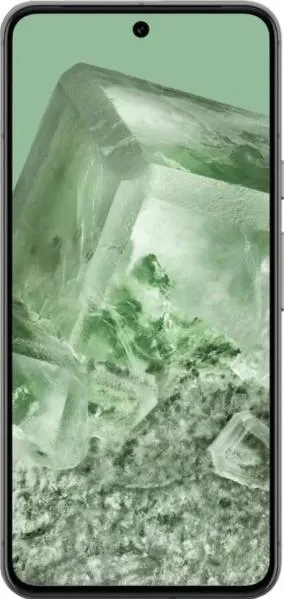
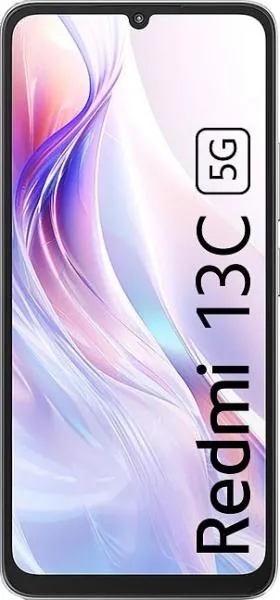
| Dimensions | 150.5 x 70.8 x 8.9 mm | 168 x 78 x 8.1 mm | Pixel 8 is noticeably more compact, easier for one-handed use and pocket portability. Redmi 13C is larger, potentially less comfortable to hold. |
| Weight | 187g | 192g | Pixel 8 is slightly lighter, reducing hand fatigue during extended use. |
| Display | |||
| Display Type | OLED, 120Hz | IPS LCD, 90Hz | Pixel 8 offers deeper blacks, more vibrant colors, and smoother scrolling thanks to OLED technology and higher refresh rate. Redmi 13C's display is less responsive and visually impactful. |
| Resolution | 1080 x 2400 | 720 x 1600 | Pixel 8 boasts significantly sharper visuals due to higher resolution. Redmi 13C's display will appear noticeably less detailed. |
| Peak Brightness | 2000 nits | 600 nits | Pixel 8's display remains clearly visible even in direct sunlight, while the Redmi 13C might struggle in bright conditions. |
| Performance | |||
| Chipset | Google Tensor G3 | Mediatek Dimensity 6100+ | Pixel 8's Tensor G3, with its AI focus, should deliver superior performance in AI-driven tasks, photography, and overall responsiveness. Dimensity 6100+ offers decent mid-range performance but lacks specialized AI capabilities. |
| CPU | Nona-core (1x3.0 GHz Cortex-X3 & 4x2.45 GHz Cortex-A715 & 4x2.15 GHz Cortex-A510) | Octa-core (2x2.2 GHz Cortex-A76 & 6x2.0 GHz Cortex-A55) | The Pixel 8's CPU architecture and higher clock speeds point towards superior multi-tasking and demanding application performance. |
| RAM | 8GB | 6GB | Pixel 8's larger RAM allows for smoother multitasking and more apps running in the background without performance slowdowns. |
| Storage | 256GB | 128GB | Pixel 8 offers double the storage, accommodating more apps, photos, and videos. |
| Battery | |||
| Capacity | 4575 mAh | 5000 mAh | Redmi 13C has a larger battery capacity, potentially translating to longer usage time. However, real-world battery life depends on various factors, including software optimization and display efficiency. Pixel's superior efficiency could offset the capacity difference. |
| Other | |||
| OS | Android 14 | Android 13 | Pixel 8 ships with the latest Android version, offering newer features and potentially longer software support. |
| NFC | Yes | No | Pixel 8 supports contactless payments and data transfer via NFC, a feature absent in the Redmi 13C. |
2. Key Insights
The Pixel 8 clearly targets a user who values a premium experience in a compact form factor. Its superior display, performance, and software make it a strong contender in the mid-range segment. The integrated AI capabilities of the Tensor G3 promise a unique user experience, particularly in areas like photography and voice assistance.
The Redmi 13C 5G, on the other hand, prioritizes affordability and long battery life. While its specifications are less impressive than the Pixel 8, it offers 5G connectivity and a larger battery, potentially appealing to users on a tighter budget who prioritize basic functionality and extended usage time.
3. User Profiles and Recommendations
Pixel 8: Ideal for users who prioritize performance, a high-quality display, the latest software features, and a compact design. Photographers, power users, and those deeply embedded in the Google ecosystem will appreciate its capabilities.
Redmi 13C 5G: Suitable for budget-conscious users who need a large screen, long battery life, and basic functionality. It's a good option for light users primarily focused on communication, web browsing, and media consumption.
4. Buying Decision Framework
- What is your budget? The Pixel 8 commands a higher price, reflecting its premium features.
- What are your primary smartphone needs? Prioritize features that align with your daily usage – performance, camera quality, battery life, or software updates.
- Do you value a compact design or a large display? Consider ergonomics and portability preferences.
My Choice: Google Pixel 8
While the Redmi 13C 5G offers a larger battery and a more attractive price point, the Pixel 8's superior overall package makes it my clear winner. The combination of a vibrant OLED display, powerful Tensor G3 chip, the latest Android version, and a compact design resonates strongly with my priorities as a tech enthusiast. The enhanced camera capabilities, AI-driven features, and smoother performance are worth the price premium for a more engaging and future-proof smartphone experience. The lack of NFC on the Redmi 13C is also a significant drawback in my daily life. Ultimately, I prioritize quality and a refined user experience, and the Pixel 8 delivers on those fronts.
