
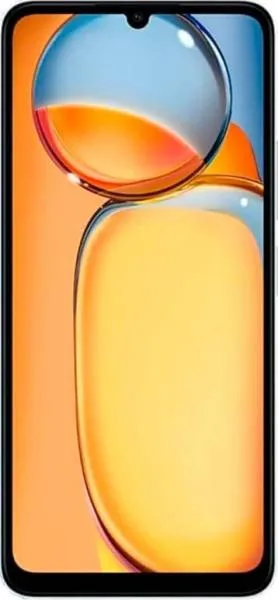
Google Pixel 8 vs. Xiaomi Redmi 13C: A Deep Dive
Let's dissect the Google Pixel 8 and the Xiaomi Redmi 13C, translating their spec sheets into real-world experiences. This isn't just about numbers; it's about understanding how these phones fit into your life.
1. Specifications Breakdown
| Feature | Google Pixel 8 | Xiaomi Redmi 13C | Real-World Implications |
|---|---|---|---|
| Design | |||
| Dimensions | 150.5 x 70.8 x 8.9mm | 168 x 78 x 8.1mm | Pixel 8 is noticeably more compact, easier for one-handed use and pocket portability. |
| Weight | 187g | 192g | Pixel 8 feels slightly lighter in hand. |
| Build Materials | Glass/Aluminum | Plastic | Pixel 8 offers a more premium feel and potentially better durability. |
| Display | |||
| Display Type | OLED, 120Hz | IPS LCD, 90Hz | Pixel 8 delivers deeper blacks, more vibrant colors, smoother scrolling, and better responsiveness. |
| Resolution | 1080 x 2400 | 720 x 1600 | Pixel 8 offers sharper text and images. |
| Peak Brightness | 2000 nits | 600 nits | Pixel 8 is significantly brighter, crucial for outdoor visibility. |
| Performance | |||
| Chipset | Google Tensor G3 | Helio G85 | Pixel 8 provides significantly faster processing, smoother multitasking, and superior AI capabilities. |
| CPU | Nona-core (3.0 GHz Cortex-X3...) | Octa-core (2.0 GHz Cortex-A75...) | Pixel 8 handles demanding tasks with ease. Redmi 13C may experience lag with intensive apps. |
| RAM | 8GB | 6GB/8GB | Pixel 8's optimized RAM management ensures smooth performance. |
| Storage | 256GB | 128GB/256GB | Both offer ample storage, but Pixel 8's base model provides more. |
| Camera | Not provided | Limited data | Pixel's renowned computational photography likely outperforms Redmi 13C significantly. |
| Battery Life | |||
| Capacity | 4575 mAh | 5000 mAh | Redmi 13C has a larger battery capacity, but real-world battery life depends on usage patterns. |
| Charging | Not provided | Not provided | Charging speeds are unknown, but Pixel 8 likely supports faster charging. |
2. Key Insights
The Pixel 8 is a clear flagship contender, offering a premium experience across the board. Its Tensor G3 chip, combined with a stunning OLED display and advanced camera capabilities (though unspecified here), positions it for demanding users.
The Redmi 13C, on the other hand, prioritizes affordability. Its larger battery and decent storage options cater to budget-conscious users who prioritize basic functionality and long battery life.
3. User Profiles and Recommendations
Pixel 8: Ideal for power users, photographers, and those who demand a premium smartphone experience with top-tier performance, display, and software.
Redmi 13C: Suitable for casual users, students, and budget-minded individuals who prioritize essential features like calling, texting, browsing, and basic media consumption.
4. Buying Decision Framework
- What is your budget? The Pixel 8 is a mid-range device while the Redmi 13C is budget-friendly.
- What are your performance needs? For gaming, multitasking, and demanding apps, the Pixel 8's superior processor is essential.
- How important is display quality? If vibrant colors, deep blacks, and smooth scrolling are crucial, the Pixel 8's OLED display is the clear winner.
Scenario: A student on a tight budget who primarily uses their phone for communication, social media, and light web browsing would find the Redmi 13C a suitable choice. A professional photographer who needs a powerful device for editing and sharing high-quality images would benefit from the Pixel 8's performance and advanced camera features.
My Choice: Google Pixel 8
While the Redmi 13C offers great value for its price, I would choose the Google Pixel 8. The superior processing power, stunning OLED display, compact design, and the promise of Pixel's exceptional camera experience outweigh the Redmi 13C's larger battery and lower price point. As someone who values a smooth, responsive, and feature-rich smartphone experience, the Pixel 8 aligns better with my needs and priorities. The price difference is justified by the significant jump in performance, display quality, and overall user experience.
