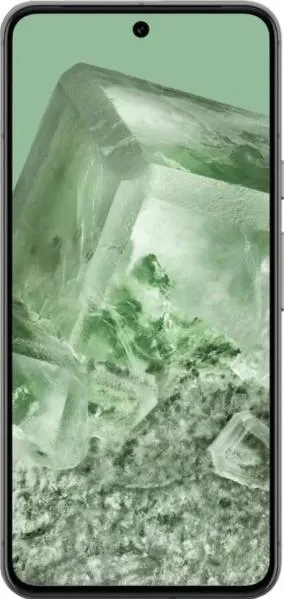
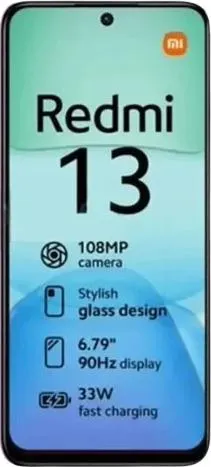
Google Pixel 8 vs. Xiaomi Redmi 13: A Deep Dive
The smartphone landscape is ever-evolving, and choosing the right device can feel overwhelming. Today, we'll dissect the Google Pixel 8 and the Xiaomi Redmi 13, two compelling contenders vying for your attention. By blending technical expertise with real-world insights, we'll empower you to make an informed decision.
1. Specifications Breakdown
| Feature | Google Pixel 8 | Xiaomi Redmi 13 | Real-World Implications |
|---|---|---|---|
| Design | |||
| Dimensions | 150.5x70.8x8.9mm | 168.6x76.3x8.3mm | Pixel 8 is noticeably smaller and more pocketable. Redmi 13 offers a larger canvas for media consumption. |
| Weight | 187g | 205g | Pixel 8 feels lighter and more comfortable for extended use. |
| Build Materials | Glass/Aluminum | Plastic | Pixel 8 offers a more premium feel and potentially better durability. |
| Display | |||
| Display Type | OLED, 120Hz | IPS LCD, 90Hz | Pixel 8 delivers deeper blacks, richer colors, and smoother scrolling. |
| Resolution | 1080x2400 | 1080x2460 | Similar pixel density, but the Pixel's OLED offers superior visual quality. |
| Peak Brightness | 2000 nits | 550 nits | Pixel 8 excels in outdoor visibility, even in direct sunlight. |
| Performance | |||
| Chipset | Google Tensor G3 | Helio G91 Ultra | Pixel 8's Tensor G3 offers significantly better AI processing and overall performance. |
| CPU | Nona-core | Octa-core | Pixel 8's more advanced architecture delivers smoother multitasking and faster app loading. |
| GPU | Immortalis-G715s | Mali-G52 MC2 | Pixel 8 boasts significantly stronger graphics performance for demanding games and applications. |
| RAM | 8GB | 8GB | Both offer ample RAM for everyday tasks. |
| Storage | 256GB | 256GB | Both offer the same storage capacity. |
| Camera | (Specifications missing for detailed comparison, but Pixel generally excels in computational photography) | ||
| Battery Life | |||
| Battery Capacity | 4575 mAh | 5030 mAh | Redmi 13 has a larger battery capacity, potentially leading to longer battery life. |
| Other | |||
| OS | Android 14 | Android 14 | Both run the latest Android version with likely different UI overlays. |
| Price Range | Medium | Low | Redmi 13 offers a more budget-friendly option. |
2. Key Insights
The Pixel 8 shines with its superior display, significantly faster performance thanks to the Tensor G3 chip, and a more premium build. It promises a fluid, responsive user experience and excels in computationally intensive tasks, including photography (though camera specs weren't provided). The Redmi 13 counters with a larger battery and a lower price point. Its strength lies in value, offering a large screen and decent performance for budget-conscious consumers.
3. User Profiles and Recommendations
Pixel 8: Ideal for users prioritizing performance, a premium experience, a vibrant display, and advanced camera capabilities. Power users, photographers, and those who value a smooth, lag-free experience will appreciate the Pixel 8.
Redmi 13: Best suited for budget-conscious users who prioritize battery life and a large screen for media consumption. Casual users, students, and those seeking a reliable device without breaking the bank will find the Redmi 13 a compelling option.
4. Buying Decision Framework
- What is your budget? If price is a primary concern, the Redmi 13 offers excellent value.
- What is your usage pattern? For demanding tasks and photography, the Pixel 8's superior performance is crucial. For casual use and media consumption, the Redmi 13's large screen and battery are attractive.
- What features are most important to you? Prioritize the Pixel 8 for its premium feel, vibrant display, and advanced processing. Choose the Redmi 13 if battery life and affordability are paramount.
My Choice: I would choose the Google Pixel 8. While the Redmi 13 offers compelling value, I prioritize the fluid user experience and advanced capabilities provided by the Tensor G3 chip. The superior OLED display, more compact form factor, and the generally excellent camera performance of Pixel phones are also significant factors in my decision. The price difference is justified for the long-term satisfaction and enhanced capabilities the Pixel 8 offers. I often push my devices with multitasking, photography, and demanding apps, making the Pixel 8 a better fit for my needs.
