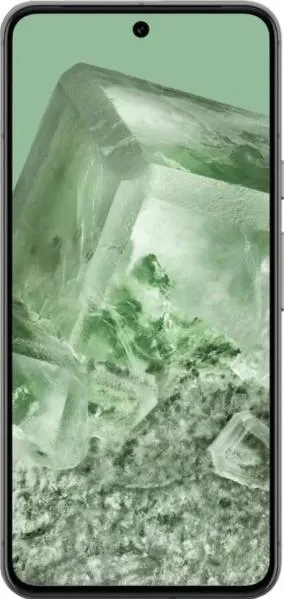
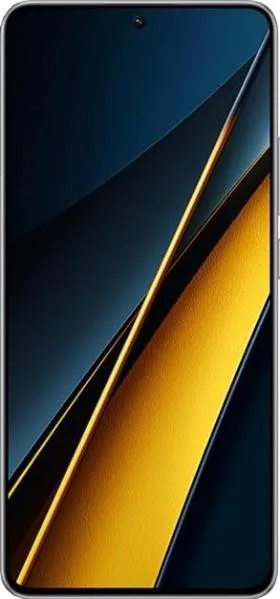
Let's dive into a comparative analysis of the Google Pixel 8 and the Xiaomi Poco X6 Pro, dissecting their specifications and uncovering what they truly offer users.
1. Specifications Breakdown
| Feature | Google Pixel 8 | Xiaomi Poco X6 Pro | Real-World Implications |
|---|---|---|---|
| Design | |||
| Dimensions | 150.5 x 70.8 x 8.9 mm | 160.5 x 74.3 x 8.3 mm | Pixel 8 is noticeably smaller and slightly thicker; Poco X6 Pro is larger, potentially less pocketable. |
| Weight | 187g | 186g | Negligible weight difference; both feel substantial in hand. |
| Display | |||
| Size | 6.2" | 6.67" | Poco X6 Pro offers a larger screen for more immersive media consumption. |
| Type | OLED, 120Hz | AMOLED, 120Hz | Both offer smooth scrolling and vibrant colors; AMOLED generally has deeper blacks. |
| Resolution | 1080 x 2400 | 1220 x 2712 | Poco X6 Pro boasts sharper visuals due to higher resolution and pixel density. |
| Peak Brightness | 2000 nits | 1800 nits | Pixel 8 can get brighter, improving outdoor visibility. |
| Performance | |||
| Chipset | Google Tensor G3 | Dimensity 8300 Ultra | Both are powerful 4nm chips; real-world performance will depend on optimization. |
| CPU | Nona-core | Octa-core | Core configuration differences are less impactful than overall chip efficiency and software tuning. |
| GPU | Immortalis-G715s MC10 | Mali G615-MC6 | Immortalis-G715s MC10 generally offers better gaming performance. |
| RAM | 8GB | 12GB | Poco X6 Pro has more RAM for smoother multitasking and potentially better longevity. |
| Storage | 256GB | 256/512GB | Poco X6 Pro offers a 512GB option for users needing ample storage. |
| Battery | |||
| Capacity | 4575 mAh | 5000 mAh | Poco X6 Pro has a larger battery, likely resulting in longer battery life. |
| Software | |||
| OS | Android 14 | Android 14 | Both run the latest Android version, but long-term updates might differ. |
| Other | |||
| Video Capabilities | Up to 4K@60fps | Up to 4K@30fps | Pixel 8 offers superior video recording capabilities with higher frame rates and resolution options. |
2. Key Insights
The Pixel 8 prioritizes a compact, premium feel with a brighter display and Google's signature AI-powered software experience. Its strength lies in its camera and software processing, promising stunning photos and videos. The Tensor G3, while not focused on raw benchmark numbers, excels in AI tasks and delivers a smooth, optimized user experience.
The Poco X6 Pro, on the other hand, focuses on delivering maximum value with a larger display, bigger battery, and more RAM. It caters to power users and multimedia enthusiasts who prioritize screen real estate, performance, and battery longevity.
3. User Profiles and Recommendations
Pixel 8: Ideal for users who value a compact phone with a fantastic camera, smooth performance, and timely software updates. Photographers, content creators, and those seeking a refined Android experience would appreciate the Pixel 8.
Poco X6 Pro: Best suited for users who prioritize a large display, long battery life, and ample storage for media consumption, gaming, and multitasking. Students, gamers, and heavy multimedia users would find the Poco X6 Pro a compelling option.
4. Buying Decision Framework
- What screen size do you prefer? Compact (Pixel 8) or large (Poco X6 Pro)?
- Is camera quality a top priority? Pixel 8 generally excels in this area.
- What's your budget and storage requirement? Poco X6 Pro offers a 512GB option and potentially greater value.
My Choice: Google Pixel 8
While the Poco X6 Pro offers impressive specs on paper, I would choose the Google Pixel 8. My priorities lie in a refined software experience, a compact form factor, and a top-tier camera. The Pixel's consistent performance, clean Android build, and guaranteed long-term updates are highly appealing. Although the Poco X6 Pro boasts a larger battery and more RAM, my usage patterns don't necessitate these advantages. The Pixel 8's superior camera capabilities and overall user experience align more closely with my needs. I also place a high value on having the latest Android features and security patches, something Google consistently delivers on its Pixel line. Ultimately, the Pixel 8 represents a more balanced and compelling package for my personal preferences.
